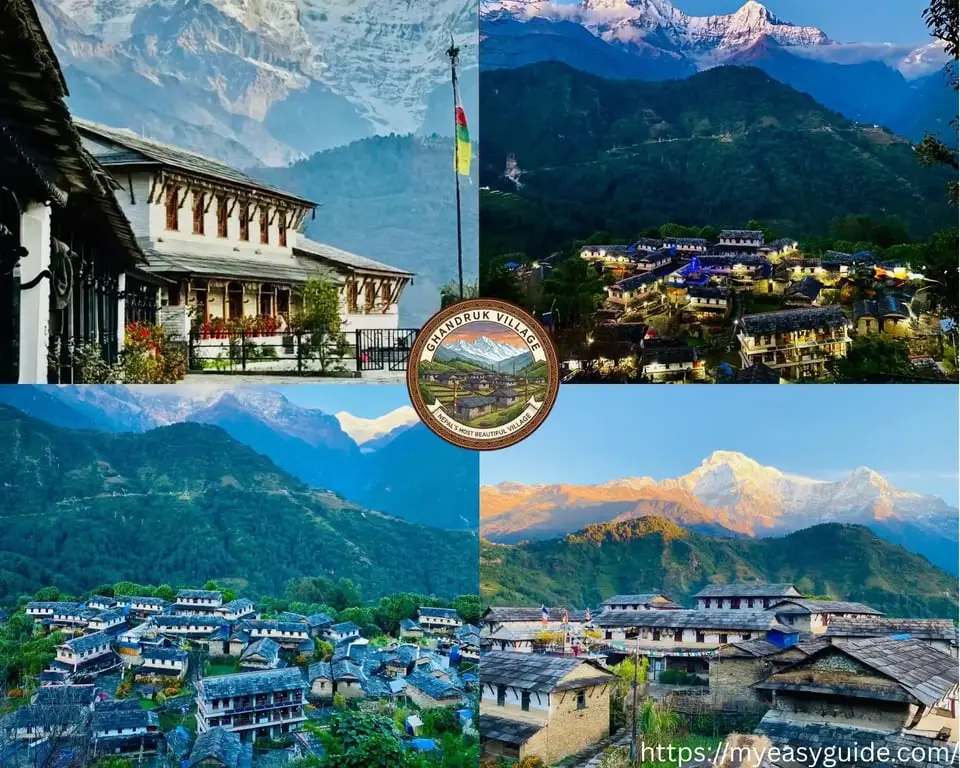
Suppose you're looking for a place that'll make you forget about your daily grind and remember why travel matters. Let’s talk about Ghandruk Village. In the Annapurna region of Nepal, this isn't just another dot on the map; it's where natural beauty and cultural richness come together in ways that'll stick with you long after you leave.
Perched at 2,012 meters above sea level, Ghandruk offers front-row seats to the Annapurna and Machapuchare ranges. We're talking about views that make you pause mid-sentence and just stare. It's also the gateway to the famous Annapurna Base Camp trek, where the mountains greet you, drawing adventurers from every corner of the globe who want to test themselves against these legendary peaks.
What sets Ghandruk apart is its vibrant Gurung culture and the living cultural experience. The traditional stone houses aren't museum pieces; people actually live in them. You'll experience genuine hospitality here, the kind where locals invite you for tea and share stories that textbooks never capture. It's authentic in an increasingly rare way.
Traveling from Pokhara to Ghandruk is a 32-kilometer journey through scenic beauty. Drive along winding mountain roads or trek through changing landscapes; either way, the journey becomes part of your story. It's not just about the destination; the route itself offers moments you'll want to remember.
As part of the Annapurna Conservation Area, Ghandruk sits in a biodiversity hotspot. Bird watchers can spot rare Himalayan species, wildlife enthusiasts might catch glimpses of langur monkeys, and anyone craving tranquility will find it in abundance. The natural surroundings here offer peace that life simply can't provide.
Whether you're an experienced trekker or just starting, Ghandruk welcomes you. The variety of trails means everyone finds their fit, challenging routes for the ambitious, gentler paths for those taking it easy. No judgment, just options that match your comfort level and goals.
Traditional Nepali meals here aren't just fuel, they're experiences. Local ingredients, time-honored recipes, and that unmistakable homemade touch make every meal memorable. The Ghandruk Museum adds depth to your visit, showcasing Gurung history and culture
If Nepal's on your travel list, don't skip Ghandruk. This village offers what many of us desperately need: a break from chaos, a connection to something authentic, and reminders that beauty and simplicity still exist. Whether you're running from burnout or running toward adventure, Ghandruk delivers. It's a must-visit that lives up to the hype.
Ghandruk is located in the north-central region of Nepal. It is a part of the beautiful Kaski District. This village lies within the Annapurna mountain range, offering striking natural vistas.
The village is at an altitude of about 2,012 meters (6,601 feet). This elevation offers sweeping views of peaks like Annapurna South and Machapuchare. The mountainous terrain defines the village's scenic allure.
Nestled amidst lush forests and terraced fields, Ghandruk is surrounded by natural beauty. The landscape is marked by rhododendron forests and cascading hills. These features make it an idyllic retreat for nature lovers.
Being part of the Annapurna Conservation Area, Ghandruk boasts rich biodiversity. It's a haven for diverse flora and fauna. The conservation efforts ensure the sustainability of this natural environment.
The geographical location also plays a significant role in its cultural fusion. The Gurung community inhabits this region, adding cultural depth. Their traditions and lifestyle are deeply interwoven with the surrounding nature.
Key highlights of Ghandruk's location include:
Ghandruk’s picturesque setting is perfect for relaxation and exploration. Its strategic location makes it accessible for both leisure travelers and adventure seekers. Exploring this village promises an unforgettable experience in Nepal’s stunning landscape.
Forbes Puts Ghandruk on the Map
When Forbes named Ghandruk among the top 50 most beautiful villages in the world, it wasn't just throwing darts at a map. However, this is not a global recognition; this recognition shone a spotlight on what locals and seasoned travelers have known for years, that this slice of the Himalayas possesses something truly extraordinary. With snow-capped peaks as its backdrop and an authenticity that can't be manufactured, Ghandruk earned its place among the world's most stunning destinations.
What Makes This Village Special?
Picture this: traditional slate-roofed houses cascading down mountainsides, stone-paved pathways winding through the village like threads in an ancient tapestry, and emerald-green terraced fields that seem to ripple across the landscape. Everything here exists in perfect harmony with the towering Annapurna range. It's not just beautiful, it's the kind of beauty that stops you mid-step and makes you reach for your camera, knowing full well no photo will quite capture what you're feeling.
Where Culture Meets Scenery
Forbes didn't just fall for the views; they recognized something deeper. Ghandruk offers that rare combination of jaw-dropping natural beauty and genuine cultural richness. This isn't a village that's been turned into a theme park for tourists. People still live here, farm here, and celebrate their traditions here. You're not just visiting a postcard, you're stepping into a living, breathing community that's maintained its soul while welcoming the world. That's what makes it truly unforgettable.
The journey from Pokhara to Ghandruk offers adventure seekers a memorable experience. It’s a popular route that showcases Nepal’s diverse landscapes. Travelers are treated to stunning views and cultural encounters along the way.
From lush green valleys to rugged mountain paths, each turn of the journey reveals nature's marvels. The trip begins in Pokhara, a vibrant city known as the gateway to the Annapurna region. This city, positioned on Phewa Lake's picturesque shores, offers a scenic start.
Traveling from Pokhara to Ghandruk, one covers approximately 32 kilometers (20 miles). This distance can be traversed by road or on foot, catering to different preferences. The route is a mix of paved roads and nature trails.
As you leave behind the bustling city life, the journey transforms into a serene rural experience. The sights and sounds of the countryside provide a refreshing escape. Traditional villages and terraced hills add charm along the route.
On the way, you’ll encounter diverse communities that highlight Nepal’s cultural richness. These interactions offer insight into the local way of life, deeply connected to nature. The warm hospitality experienced here is often a highlight for visitors.
Consider these aspects of the journey:
The journey to Ghandruk is more than just a physical transition; it's an immersion into Nepal's heart and soul.
The Pokhara to Ghandruk distance spans 32 kilometers (20 miles), a journey through nature's wonders. This trek or drive offers a chance to escape and unwind. The journey is well-suited to a range of fitness levels, ensuring accessibility.
For adventure lovers, trekking from Pokhara to Ghandruk is invigorating. The path traverses scenic trails and tranquil landscapes. Trekkers are embraced by nature's serenity, with every step forward deepening the sense of adventure.
Those opting for a road journey will find it equally charming. The drive takes you through thriving villages and picturesque settings. Each turn reveals new aspects of Nepal’s vibrant culture.
Important highlights of the journey:
Whether trekking through lush pathways or driving through quaint villages, the journey to Ghandruk promises beauty and exploration.
Travelers have two primary options for reaching Ghandruk from Pokhara: by road or by trekking. Each mode offers a unique experience, catering to different types of travelers. Both options allow you to appreciate Nepal's spectacular scenery.
By road, the journey is comfortable and faster, taking about 4-5 hours. Vehicles navigate through winding roads, offering panoramic views. This option is perfect for those keen to reach Ghandruk without a strenuous hike.
Trekking to Ghandruk, on the other hand, is an intimate journey with nature. Trekkers spend around two days on trails that cut through forests and hills. The experience offers deeper immersion into the natural environment.
Consider these travel options:
Many travelers choose a combination to maximize their experience. They might drive to a certain point and then commence trekking. This flexibility adds to the allure of visiting Ghandruk, offering something for every kind of explorer.
Ghandruk village, at an elevation of approximately 2,012 meters (6,601 feet), offers visitors a unique mountainous climate. Its elevation impacts the local weather, creating distinct seasonal variations. The altitude brings refreshing cool air, a welcome change from lower regions.
The climate in Ghandruk is characterized by mild weather, with pleasant summers and chilly winters. This makes it an attractive destination throughout the year. However, the most popular times are during spring and autumn.
The altitude of Ghandruk and the location result in diverse weather patterns. These variations enrich the travel experience, offering clear skies and vibrant flora. The crisp mountain air is invigorating, especially after the hot plains.
When packing for a visit, consider the altitude-induced temperature changes. Layered clothing is ideal for adapting to shifting conditions. Also, ensure to carry protective gear for sun exposure, as higher altitudes intensify UV rays.
Here's what you can expect:
The Ghandruk height not only affects the climate but also the pace of life in Ghandruk. Visitors are advised to acclimatize, taking time to adjust to the elevation before embarking on longer treks.
The altitude of Ghandruk, set at 2,012 meters, affects both weather and visitor experience. This elevation influences how travelers adapt to the environment. It offers stunning views but also requires cautious preparation.
At high altitudes, the air is thinner, affecting breathing. Acclimatization is key to enjoying your visit. Allow your body to adjust before engaging in strenuous activities.
Visitors should be aware of altitude sickness, take preventative steps. Staying hydrated and moving at a comfortable pace can help. It's wise to heed local advice and familiarize yourself with symptoms.
The impacts include:
Proper preparation ensures a safe and enjoyable experience in Ghandruk, allowing you to fully appreciate its majestic setting.
Ghandruk experiences diverse weather patterns throughout the year. The best time to visit is during spring (March to May) and autumn (September to November). These seasons offer clear skies and pleasant temperatures.
Spring welcomes blooming rhododendron forests, adding a splash of color to the landscape. The weather is warm with occasional rain showers, ideal for trekking. Hikers are treated to breathtaking views without harsh conditions.
Autumn is also a favorite for visitors. This period sees dry, settled weather, perfect for exploring. Crisp air and clear skies provide stunning views of the Himalayas.
Visitors should consider:
While summer and winter have their own charm, they are less favorable for trekking. Summer may bring monsoon rains, and winter can be harsh. Planning your visit during spring or autumn maximizes comfort and sightseeing opportunities.
Ghandruk Village offers a vibrant tapestry of Gurung culture. Visitors are immersed in a community that prides itself on tradition. The warmth of the locals enhances the village's charm.
The Gurungs are known for their hospitality and rich heritage. This ethnicity has a unique language, clothing, and customs. Their way of life is deeply intertwined with the region's natural landscape.
When you visit, you'll notice the traditional stone houses. These structures reflect the resilience and skill of the Gurung people. Each house is crafted to withstand the mountain climate.
In Ghandruk, life revolves around community activities. Daily chores, cultural practices, and social gatherings are pivotal. Every aspect of life is influenced by its deep-rooted traditions.
The village:
Local guides often share stories and history. This personal touch enriches your understanding of the culture. Observing and interacting with the locals can be a rewarding experience.
Ghandruk serves as a cultural hub for visitors. Whether through architecture, festivals, or daily life, the Gurung spirit shines brightly. A visit to Ghandruk truly offers a peek into a rich cultural heritage.
The architecture of Ghandruk is an expression of practical beauty. The traditional houses are mainly built from stone, designed for functionality and aesthetics. Their unique construction helps them endure the mountain weather.
Each house in Ghandruk tells a story. Stone slabs are meticulously stacked to form walls. This traditional method provides insulation against the cold mountain air.
The rooftops are often constructed from stone or wood. These choice materials help in shedding snow during winters. Such practical aspects ensure the durability of Ghandruk's architecture.
You can observe:
Walking through the village, you’ll notice these building techniques. They reflect a deep connection to the environment. The effort to maintain traditions is evident in every structure.
Ghandruk is alive with cultural festivals, featuring music and dance. These events showcase the vibrant spirit of the Gurung people. Festivals are a time for celebration, bringing the community together.
The Tihar festival, also known as the Festival of Lights, is significant here. It involves elaborate rituals, songs, and dancing. Families come together to honor traditions and share in the festive joy.
Music plays a crucial role in Gurung culture. Melodic folk tunes accompany traditional dances. These performances tell stories of folklore and history, highlighting cultural values.
Festivals often include:
Participating or observing these celebrations offers a rich cultural experience. The music and dance forms carry the essence of Gurung identity. Visitors are often invited to join, making for a memorable experience.
Through these expressions, Ghandruk shares its cultural wealth. Visitors leave with a deeper appreciation and understanding of the Gurung way of life.
Ghandruk is a trekker's paradise, nestled in the heart of the Himalayas. It serves as a gateway to numerous trekking routes. These trails offer breathtaking views and diverse experiences.
Trekking in Ghandruk varies from easy hikes to challenging treks. Each path leads through stunning landscapes and cultural landmarks. The village is famous for its vibrant trekking community.
Annapurna Base Camp is a trek that many begin from Ghandruk. This trek draws adventure seekers worldwide. The journey offers panoramic views of towering peaks.
The trails meander through rhododendron forests and terraced fields. As you ascend, the scenery dramatically changes. Trekkers often encounter diverse flora and fauna.
In Ghandruk:
Hiking routes are well-maintained and easy to navigate. Local guides are readily available to enhance your trekking experience. Their knowledge of the area proves invaluable.
Trekkers in Ghandruk enjoy a blend of nature and culture. The experiences offered here remain unmatched, ensuring cherished memories.
Ghandruk serves as a vital point for several popular treks. Each trek showcases the astounding beauty of the Himalayas. The trails are both an adventurer's thrill and a nature lover's dream.
The Annapurna Base Camp trek is a highlight for many. It's a challenging route, offering majestic mountain views. Trekkers witness glistening glaciers and pristine nature.
Another popular route is the Ghorepani Poon Hill trek. This trek is relatively easier, perfect for novices. The sunrise view from Poon Hill is simply unforgettable.
In addition to these, consider:
The Mardi Himal trek is a quieter alternative. It offers solitude and peaceful landscapes. The route is dotted with rhododendron forests and quaint villages.
Each trek provides an opportunity to immerse oneself in local culture. Interactions with the friendly Gurung community are enlightening. Their hospitality adds warmth to the trekking experience.
From Ghandruk, trekkers can explore a rich tapestry of the Himalayas. Each trail promises unique memories that last a lifetime.
A successful trek to Ghandruk starts long before you hit the trail; it begins with smart preparation. The right gear and thoughtful planning transform a challenging hike into an unforgettable adventure through the Himalayas. Whether you're a first-timer or a seasoned trekker, these essentials will keep you comfortable, safe, and ready for whatever the mountains throw your way.
Essential items for your trek:
Don't underestimate altitude sickness; it can strike anyone, regardless of fitness level. The key is acclimatizing gradually. Ascend slowly, take regular rest breaks, and actually listen when your body signals it needs time to adjust. Pushing through symptoms isn't brave; it's risky.
A local guide does more than just show you the way. They enhance your entire experience, pointing out hidden viewpoints, explaining cultural significance, and ensuring you stay safe on tricky sections. Their knowledge turns a simple hike into a rich, immersive journey.
With proper preparation, your Ghandruk trek becomes more than just a physical challenge; it becomes a safe, enjoyable, and deeply memorable Himalayan adventure that stays with you long after you've descended.
Ghandruk is a treasure of natural beauty. It offers mesmerizing views of towering mountains and vibrant forests. The region's biodiversity adds to its unique charm.
The picturesque landscape captivates every visitor. Snow-capped peaks rise majestically against the blue sky. The tranquility of the surroundings is soothing to the soul.
Lush forests surround Ghandruk. These green expanses are filled with life. They're home to diverse plant species and wildlife.
The mountains, forests, and wildlife create a stunning backdrop. These natural elements make Ghandruk a haven for nature lovers. Visitors can immerse themselves in this serene environment.
Key highlights include:
Ghandruk's forests change colors with the seasons. In spring, they burst with rhododendron blooms. Autumn brings a tapestry of gold and red leaves.
Wildlife enthusiasts enjoy observing Himalayan species here. The area is rich with birds and occasional larger mammals. Each glimpse adds excitement to the adventure.
Experiencing Ghandruk's natural beauty is unforgettable. The harmony of mountains, forests, and wildlife is profoundly inspiring. This is a place where nature's wonders are on full display.
Ghandruk is renowned for its panoramic mountain views. The sight of Annapurna and Machapuchare is awe-inspiring. Their snow-draped peaks define the skyline.
These iconic mountains hold legendary status. Annapurna stands tall with its rugged beauty. Machapuchare, the "Fish Tail," is uniquely shaped and revered.
Visitors savor the views from various vantage points. Each spot offers a different perspective. The changing light paints the mountains with vibrant colors.
Key vantage points include:
Annapurna and Machapuchare captivate photographers. They provide endless inspiration for breathtaking shots. Every angle captures a new facet of their splendor.
The mountains symbolize the power and beauty of the Himalayas. They draw trekkers and nature enthusiasts alike. Ghandruk's location offers the best seat to this natural theater.
These panoramic views are a highlight of any Ghandruk visit. The serene beauty of the Himalayas leaves a lasting impression. It's a sight that stirs the soul and enriches the spirit.
Ghandruk holds a special place in conservation history; it's where the Annapurna Conservation Area Project (ACAP) first began its mission to protect the region's incredible biodiversity. Within the conservation zone, the village sits surrounded by lush forests that burst with life at every turn. When spring arrives, rhododendron blooms transform the hillsides into a riot of color, while the air fills with the enchanting songs of rare Himalayan birds.
Biodiversity highlights you'll encounter:
The conservation efforts here aren't just about protecting nature; they're about sustaining the delicate balance between wildlife and the communities that call these mountains home. As a visitor, you play a role too.
Observe animals quietly from a distance, stick to marked trails, and leave no trace behind. These simple acts help preserve the habitats that make this region so extraordinary. Exploring the Annapurna Conservation Area adds a whole new dimension to your Ghandruk experience.
The diverse flora and fauna aren't just scenery; they're living proof of what thoughtful conservation can achieve. Nature's beauty here isn't just stunning; it's a precious legacy worth protecting.
Ghandruk offers a variety of accommodation options. Each promises a unique experience, blending comfort with local culture. Accommodations in Ghandruk enrich the travel experience. They offer a restful retreat after days of exploration. Guests leave with memories of both comforts and cultural insights.
1. Dal Bhat - The Heart of Nepali Meals: A nutritious staple combining lentil soup with rice, served alongside seasonal vegetables and tangy pickles.
2. Momo - Himalayan Dumplings: Delicious steamed or fried dumplings stuffed with meat or vegetables, a local favorite you can't miss.
3. Gurung Bread - Traditional Specialty: A beloved local bread perfect for pairing with tea, offering an authentic taste of Gurung cuisine.
4. Tea House Dining: Enjoy meals at cozy tea houses and guesthouses where fresh, locally-sourced ingredients shine.
5. Communal Dining Experience: Share meals with fellow travelers and locals in communal settings that foster connection and conversation.
6. Farm-to-Table Freshness: Savor dishes prepared with ingredients grown right in the village and surrounding farms.
7. Cultural Hospitality: Experience warm Nepali hospitality where every meal becomes an opportunity to connect with the local community and their traditions.
Eating or Dining in Ghandruk is more than just a meal. It's an experience of local culture and hospitality. Sharing food becomes a way to connect with the community. For many visitors, the food in Ghandruk is a highlight. The homemade dishes are a taste of the local way of life. Dining here leaves a lasting impression of warmth and flavor.
1. Visit the Ghandruk Museum: Explore traditional Gurung costumes, ancient tools, and cultural artifacts that showcase the village's rich heritage.
2. Explore Temples and Monasteries: Discover sacred sites scattered throughout the village that reflect local spirituality and architectural beauty.
3. Wander the Cobbled Streets: Stroll through charming stone-paved lanes lined with traditional houses that reveal the village's historic character.
4. Hike the Surrounding Trails: Enjoy day hikes through forests and meadows with breathtaking mountain views, perfect for all skill levels.
5. Shop for Local Handicrafts: Browse authentic handmade souvenirs created by local artisans in the village shops.
6. Watch Traditional Gurung Dances: Experience cultural performances featuring vibrant traditional music and dance from the Gurung community.
Step into the Ghandruk Museum and you're stepping into the soul of Gurung culture like you are paying homage. Vibrant traditional clothing catches your eye first, each piece bursting with color and intricate patterns that tell stories of generations past.
Ancient tools line the walls, giving you a glimpse into how life unfolded in these mountains long before modern times arrived. But the real magic happens when you explore beyond the old Gurung museum. Temples and shrines are scattered throughout the village, not as tourist attractions but as living, breathing spaces where locals still come to pray.
The intricate stone carvings and age-old architecture are stunning, sure, but what strikes you most is how these sacred sites feel, peaceful, authentic, deeply rooted in everyday life. These aren't just relics to admire from a distance. They're part of the village's heartbeat, connecting past and present in ways you can actually feel.
Whether you're a know-it-all of history or just someone who appreciates genuine cultural experiences, Ghandruk's heritage sites leave you with something special: a real understanding of what keeps this community's spirit alive.
The village and its vicinity offer a bounty of walking trails. These paths are perfect for exploring Ghandruk's natural beauty. Each route provides unique vistas and encounters with nature.
Village walks reveal the heart of daily life. Strolling through stone-paved streets, visitors see the vibrant community. Locals often greet tourists with warm smiles, adding to the experience.
For a touch of adventure, short hikes are ideal. Trails through forests and terraced fields are rewarding. These routes range from easy walks to more challenging inclines.
Recommended walks and hikes:
Walking and hiking in Ghandruk foster a connection with nature. The serenity of the surroundings is matched only by the warmth of the people. Each step taken is a step into the heart of Nepal.
Ghandruk stands as a beacon of sustainable tourism. The local community actively participates in eco-friendly initiatives. These efforts aim to protect the natural beauty and cultural heritage.
Residents embrace eco-tourism with dedication. They understand the importance of preserving resources for future generations. This approach helps maintain Ghandruk's charm and environmental health.
The community engages in various initiatives. Local groups organize cleanup drives to keep the village pristine. They also promote waste management practices to minimize pollution.
Several projects focus on conservation and education. These include tree planting and wildlife protection programs. Locals provide eco-awareness sessions for both residents and visitors.
Notable initiatives in Ghandruk:
The commitment to sustainability enhances visitor experiences. Tourists are encouraged to participate in community activities. This engagement fosters mutual respect and understanding.
Overall, Ghandruk's efforts ensure long-term benefits. The village sets a model for responsible and sustainable travel. By prioritizing both people and nature, Ghandruk thrives in harmony.
Ghandruk embodies the mesmerizing blend of natural beauty and cultural richness that defines Nepal. The village's stunning views of the Annapurna and Machapuchare mountains captivate every visitor. Each sunrise and sunset is a spectacle in itself, painting the skies in vibrant colors.
Ghandruk’s rich Gurung heritage provides a deep cultural experience. Traditional music and dances enrich the village atmosphere, offering authentic cultural insights. Visitors leave not just with photos, but with memories of heartwarming interactions and cultural discoveries.
Trekking opportunities are available, connected to Ghandruk, with trails suitable for both novice and experienced hikers. Every trail offers a unique encounter with the region's diverse flora and fauna. Trekkers enjoy panoramic vistas that are truly unrivaled.
In conclusion, the village's combination of scenic beauty, cultural depth, and trekking adventures makes Ghandruk Nepal’s top village. It is a place where peace, nature, and culture are in perfect harmony. A visit to Ghandruk promises a truly unforgettable experience.
The spring and autumn seasons are ideal. These months offer clear skies and moderate temperatures, perfect for trekking.
You can travel by road or trek to Ghandruk from Pokhara. Each route presents its own scenic charm and adventure level.
Ghandruk sits at approximately 2,012 meters above sea level. Acclimatizing slowly and staying hydrated can help adjust to the altitude.
Ghandruk offers various lodging options, including homestays and tea houses, providing both comfort and cultural immersion.
Ghandruk is rich in Gurung culture. Experience traditional music, dance, and the warmth of local hospitality. You can also wear traditional Gurung costumes and click pictures in the traditional stone houses.
Yes, a permit is necessary to visit Ghandruk Village because Ghandruk lies in the Annapurna Conservation Area. However, domestic tourists do not require a permit to visit Ghandruk Village.
Ghandruk Village is located in the Kaski district of Nepal, which is the same district that Pokhara lies in. This traditional village is situated in the Annapurna Rural Municipality within the Gandaki Province.