Asmita Karki
Chitwan National Park sits in Nepal's subtropical Terai lowlands, a humid stretch of grassland and sal forest that feels worlds apart from the Himalayan ridges most travelers associate with this country. Choosing the right season matters far more in Chitwan than many travelers expect. The contrast between a dusty April tiger safari and a misty January morning watching one-horned rhinos along the Rapti River is dramatic, and your timing directly shapes what you'll actually see.
Our field coordinators run safaris into Chitwan year-round, and we've watched seasonal patterns shift noticeably over the past decade. This guide breaks down each month honestly so you can match your trip to the wildlife, weather, and budget you're working with.
Source: My Country My Pride Nepal
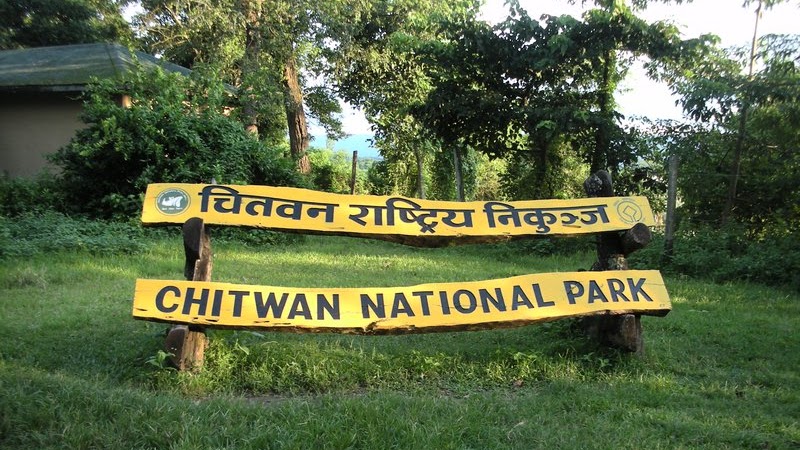
A signboard displaying Chitwan National Park.
The best time to visit Chitwan National Park in Nepal is from October to March, with February and March being the absolute sweet spot. Grasses are cut low, temperatures sit between 15-28°C, and wildlife concentrates near water sources. April and May offer the best tiger sighting opportunities, but temperatures often exceed 38°C.
Unlike the high Himalaya, Chitwan operates on a Terai climate cycle dominated by the South Asian monsoon. The park covers 952 square kilometers of jungle at just 150 meters elevation, meaning heat and humidity dictate everything from animal behavior to whether your jeep safari gets stuck in mud.
The ultimate guide to planning your dream web travel adventure with the experts from myeasyguide.
Spam free. Unsubscribe anytime. We respect your privacy.
Source: Prabin Basnet
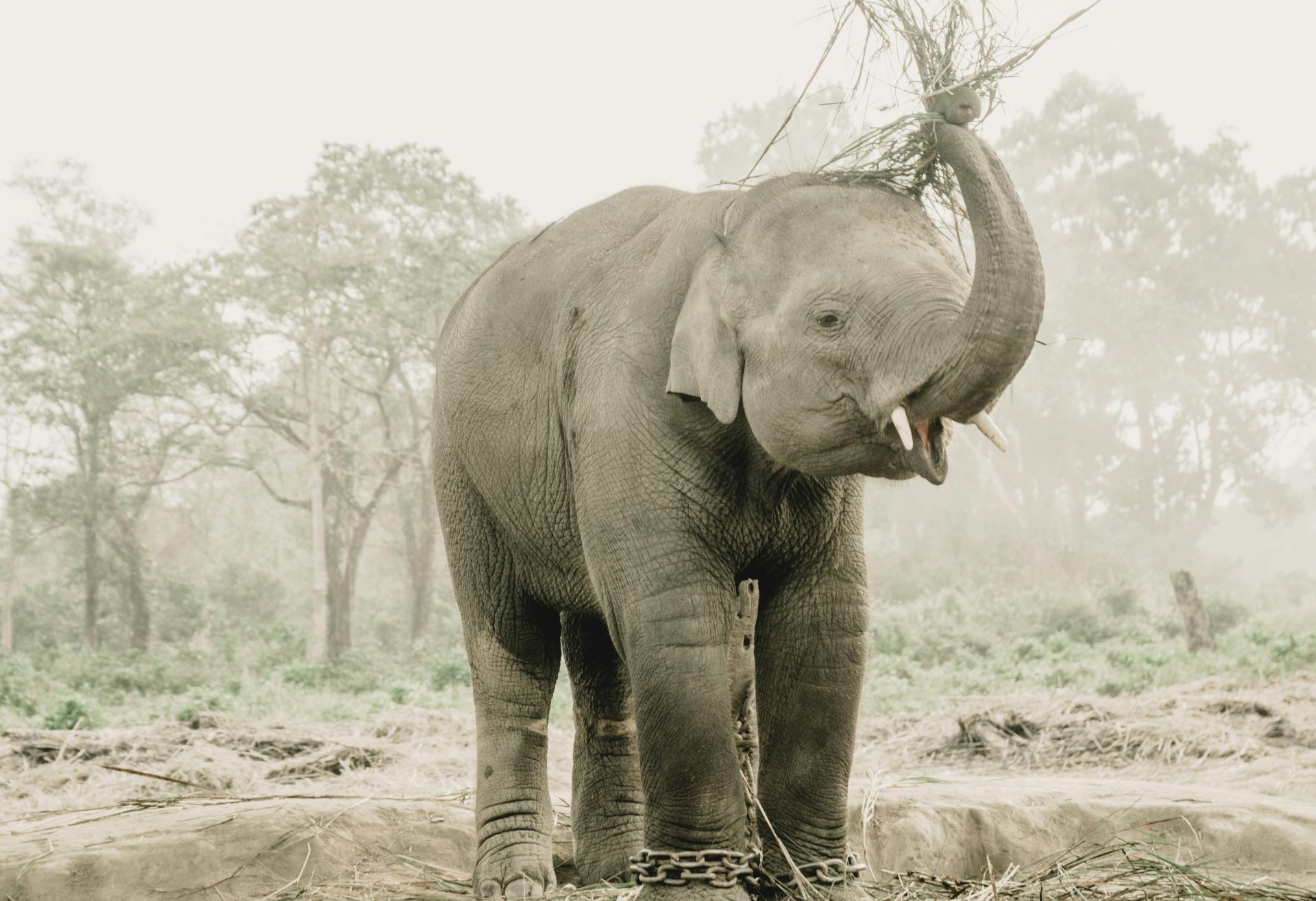
A majestic Asian elephant standing in the forest during a wildlife safari in Chitwan.
January delivers the coolest temperatures of the year, with dawn fog clinging to the elephant grass and afternoon highs around 20-22°C. Cooler temperatures keep wildlife active for longer periods throughout the day. This is prime time for spotting rhinos, gharial crocodiles, and abundant birdlife.
Bring layers. Pre-dawn canoe rides on the Rapti River drop into the 5-8°C range, and traditional wooden canoes provide little protection from the cold morning wind. Our coordinators suggest a fleece plus windbreaker combination for the early 6:30 AM starts.
Source: Prajwal Bajracharya
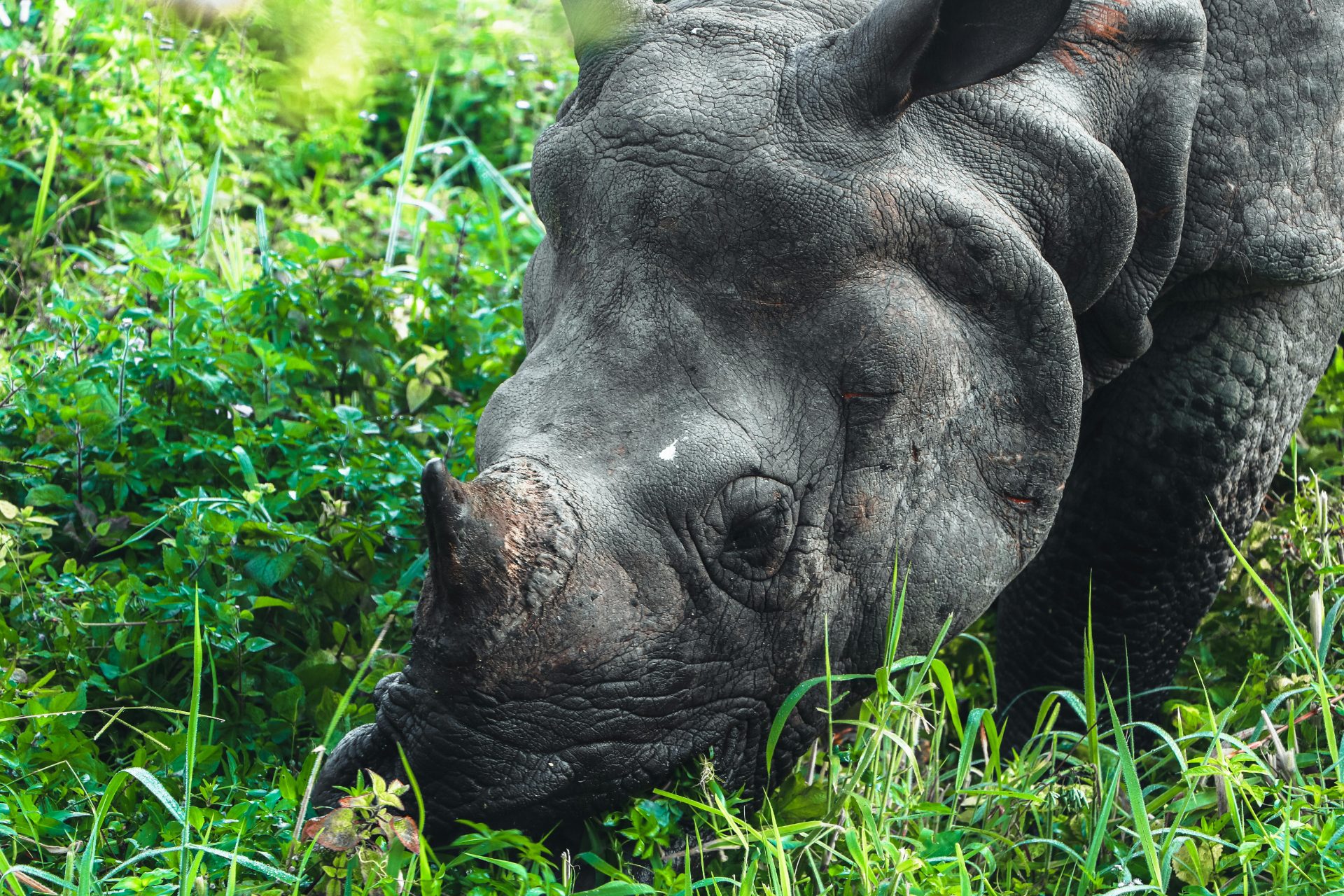
An endangered one-horned rhinoceros grazing in the grasslands of Chitwan National Park.
February is when our field guides start booking out fastest. The annual grass-cutting season (a unique cultural event where local villagers harvest thatch from the park) typically runs in mid-January, which opens visibility across grasslands that were impenetrable just weeks earlier.
Rhino sightings hit their annual peak as the animals become highly visible against the cropped landscape. Temperatures stabilize between 10-25°C, mosquito activity stays minimal, and lodges run at full operational capacity.
Source: Tourism Info Nepal
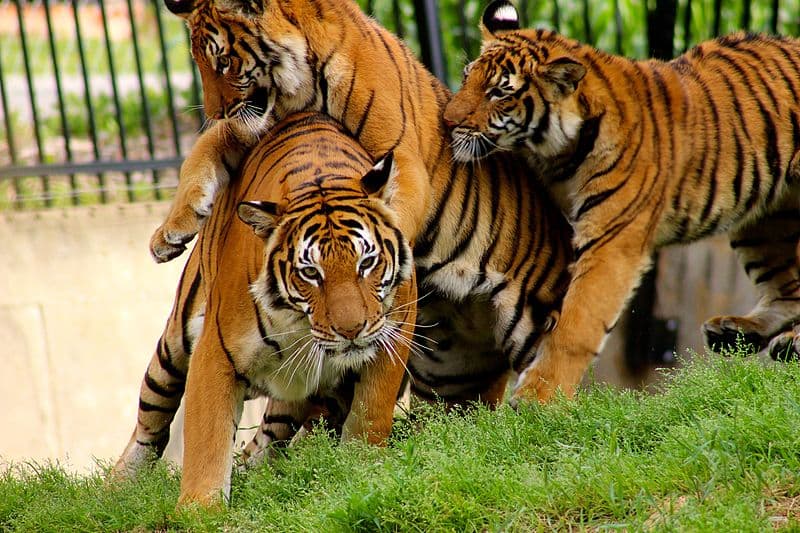
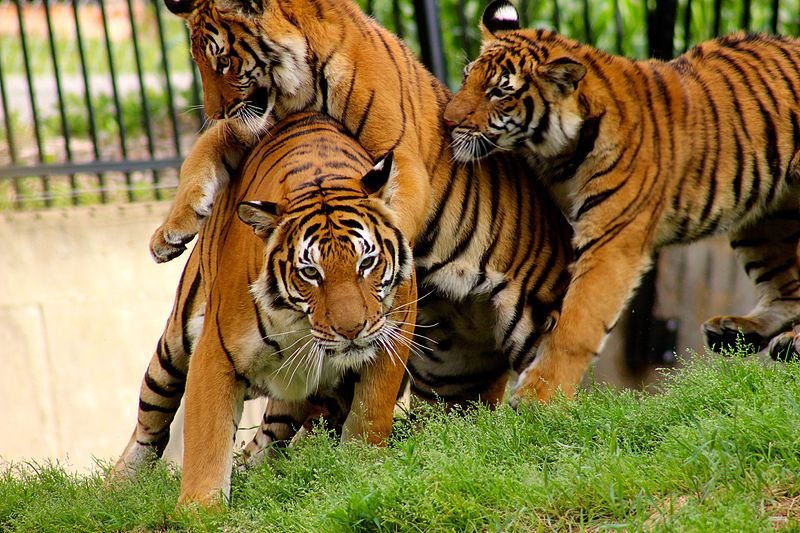
Rare Royal Bengal Tigers siblings playing in Chitwan National Park.
March marks the transition into the dry pre-monsoon period. Daytime temperatures climb to 28-32°C, but mornings remain pleasant. As water sources begin shrinking, predators concentrate around the remaining pools, increasing your chances of seeing a Bengal tiger or leopard.
This is also when the sal forests bloom, and many bird species begin nesting and courtship activity. Expect strong demand and book lodges at least 6-8 weeks in advance.
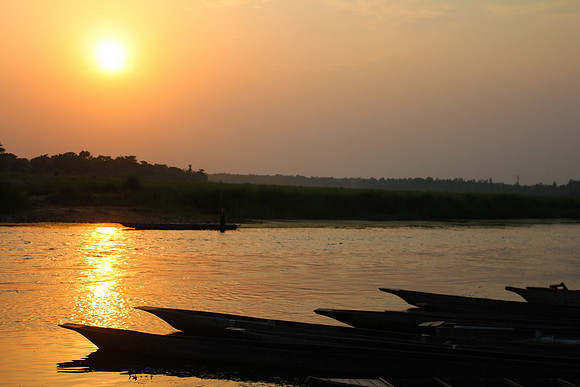
Golden sunset over the Rapti River with traditional canoes on the riverbank.
April offers a unique balance of exceptional wildlife sightings and intense heat. It offers arguably the best big cat sightings of the entire year, but temperatures regularly hit 36-38°C by afternoon. Wildlife congregates at the Rapti and Narayani rivers, and jeep safaris during the 5:30 AM and 3:00 PM slots become essential to avoid the harsh midday temperatures.
If your priority is tigers and you can handle heat, April rewards patience. Bring electrolyte tablets, a wide-brim hat, and at least 3 liters of water per safari.
Source: Mr Junald
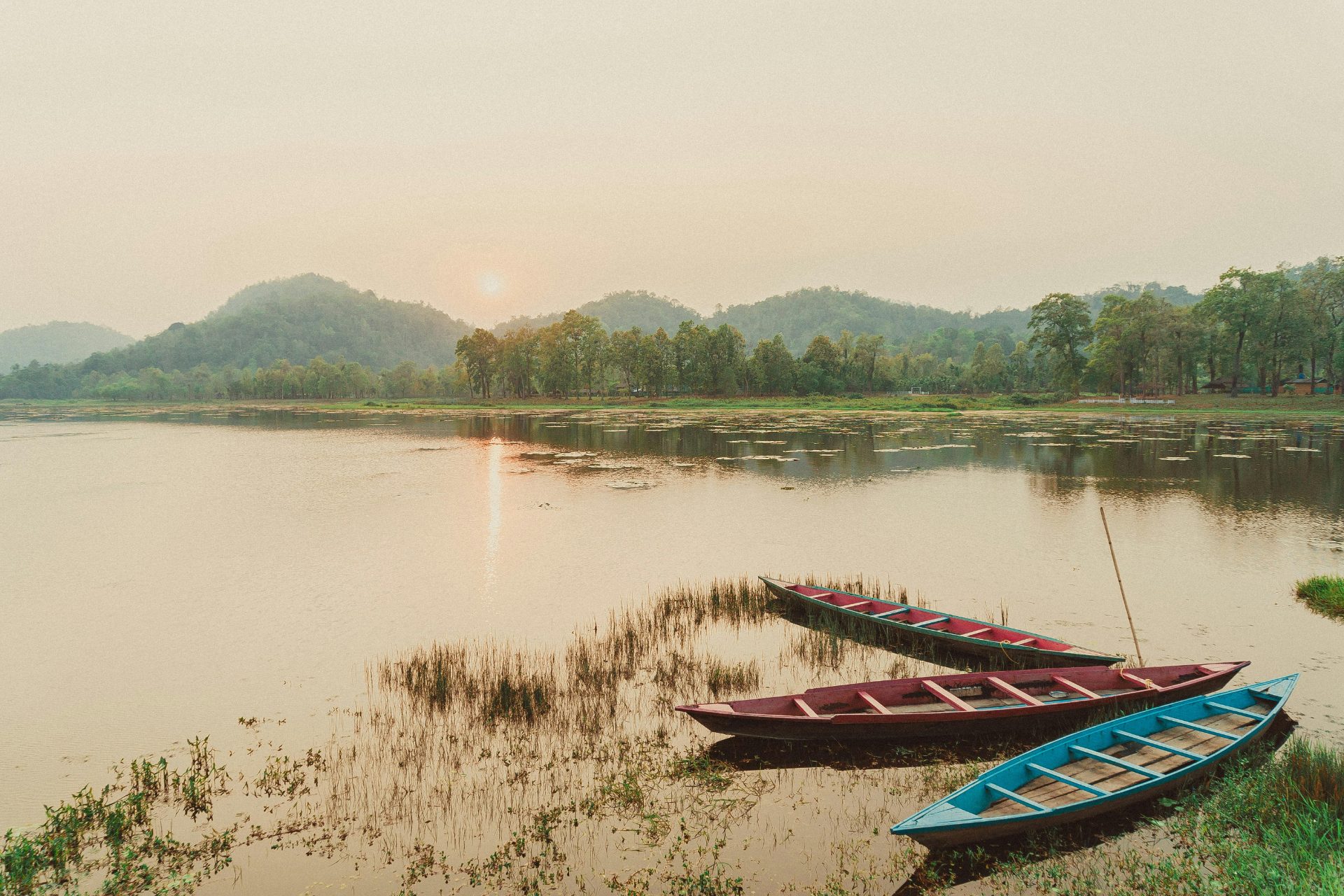
Peaceful jungle river landscape in Chitwan National Park, ideal for canoeing and wildlife viewing.
May is intensely hot, with peaks above 40°C common. Pre-monsoon storms begin building in late May, occasionally bringing dramatic dust storms followed by short downpours. Wildlife activity remains strong at dawn and dusk, but mid-day safaris become physically exhausting.
Lodge prices begin dropping noticeably from mid-May. This is a strong shoulder-season option for budget travelers willing to trade comfort for value and solitude.
Source: Procheta Neogi
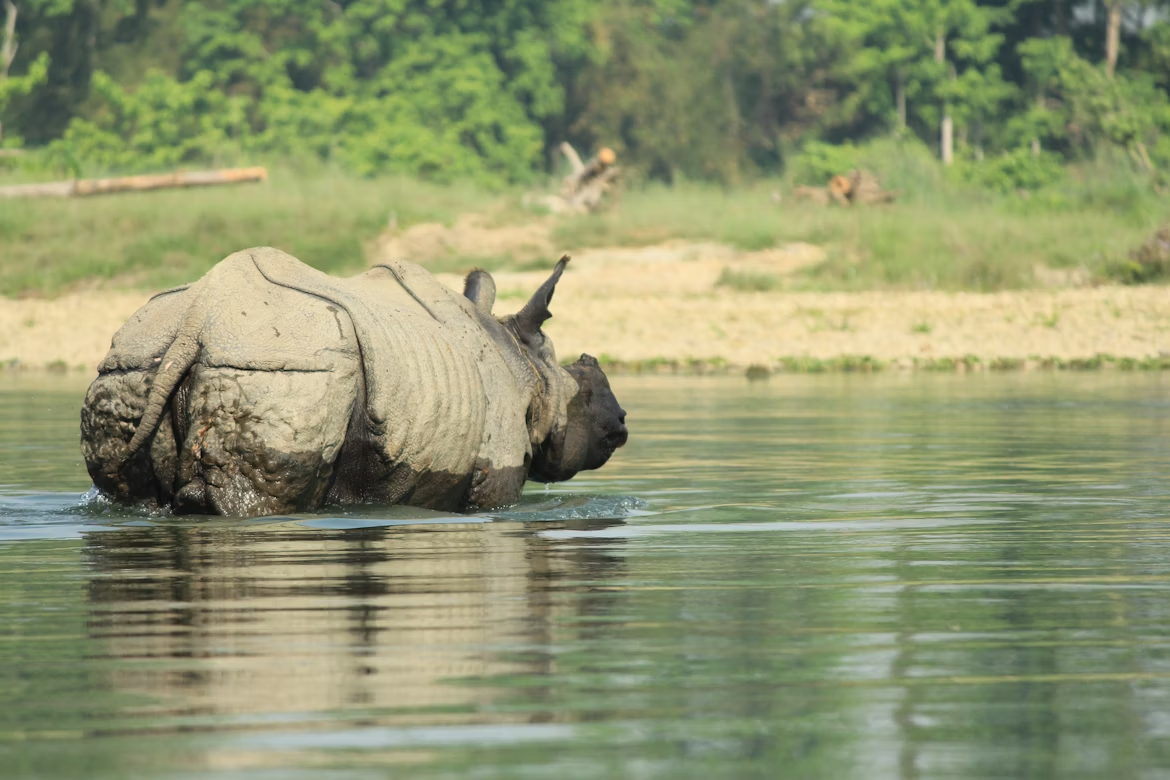
A massive Indian rhinoceros cooling off in a river during a Chitwan jungle safari.
The southwest monsoon typically reaches Chitwan in the second week of June. Humidity spikes above 85%, leeches emerge across forest trails, and many jungle walks get suspended for safety. Jeep safaris continue when roads are passable, but expect cancellations after heavy rain.
Birding actually improves in early June as breeding plumage peaks, but tourist infrastructure begins its slow shutdown.
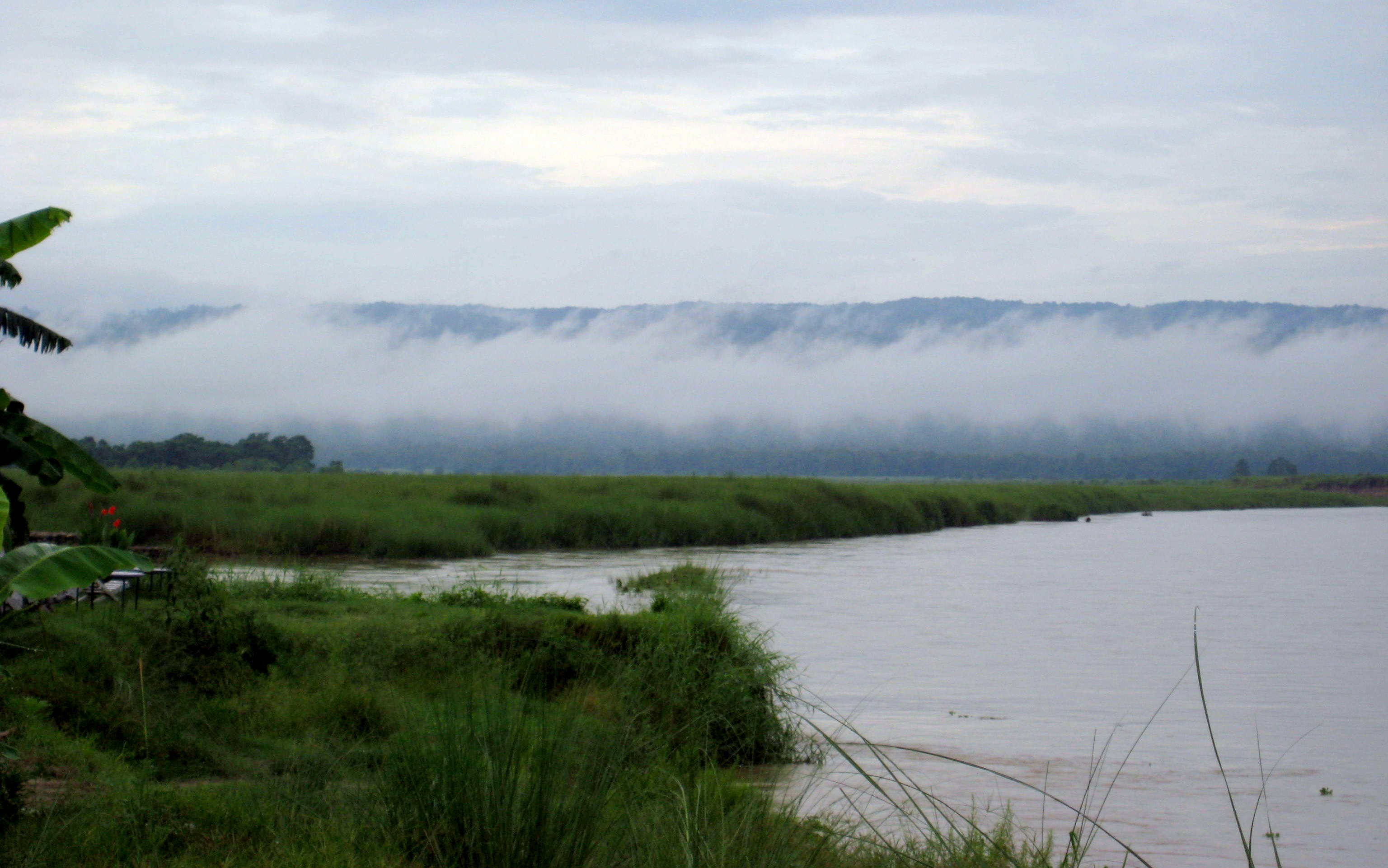
Source: Wikipedia
Scenic view of the East Rapti River flowing by Sauraha village, a top jungle safari hub.
July is the wettest month, with rainfall regularly exceeding 400mm. The Rapti River swells, sometimes flooding park access roads. Most international visitors avoid this window entirely. Lodge discounts of 40-50% are standard, but you'll trade wildlife visibility for muddy boots and persistent humidity.
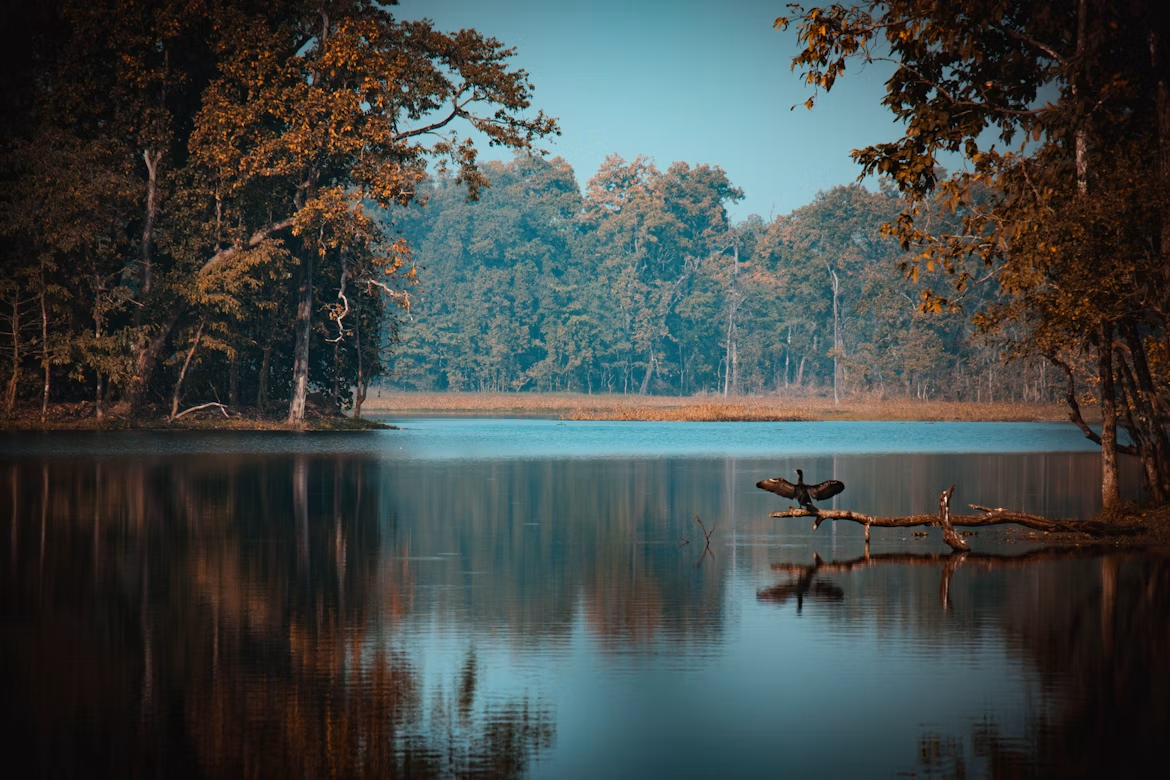
Source: Ashok Sharma
Peaceful river landscape in Chitwan, perfect for bird watching and dugout canoe rides.
August continues the monsoon pattern but with slightly fewer rain days than July. The jungle becomes spectacularly green, and photographers seeking lush, atmospheric landscape shots find unique opportunities. However, expect that any single afternoon could be washed out entirely.
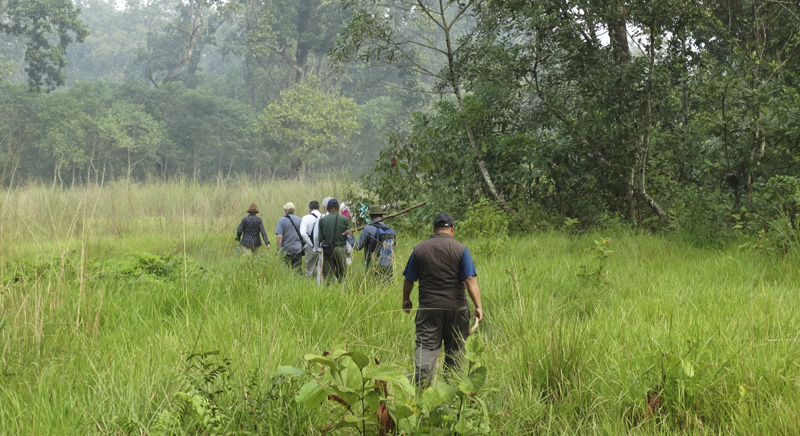
Source: Jungle Safari Resort
Travelers on a guided jungle walking safari through tall elephant grass.
By mid-September, the monsoon retreats and the park's tourism infrastructure ramps back up. Trails reopen, lodges reach full staffing, and the landscape glows in post-monsoon green. Wildlife sightings improve week by week as standing water dries up and grass begins to thin.
Late September is an underrated window. You get post-monsoon clarity, fewer crowds than October, and lodges still offering shoulder-season rates.
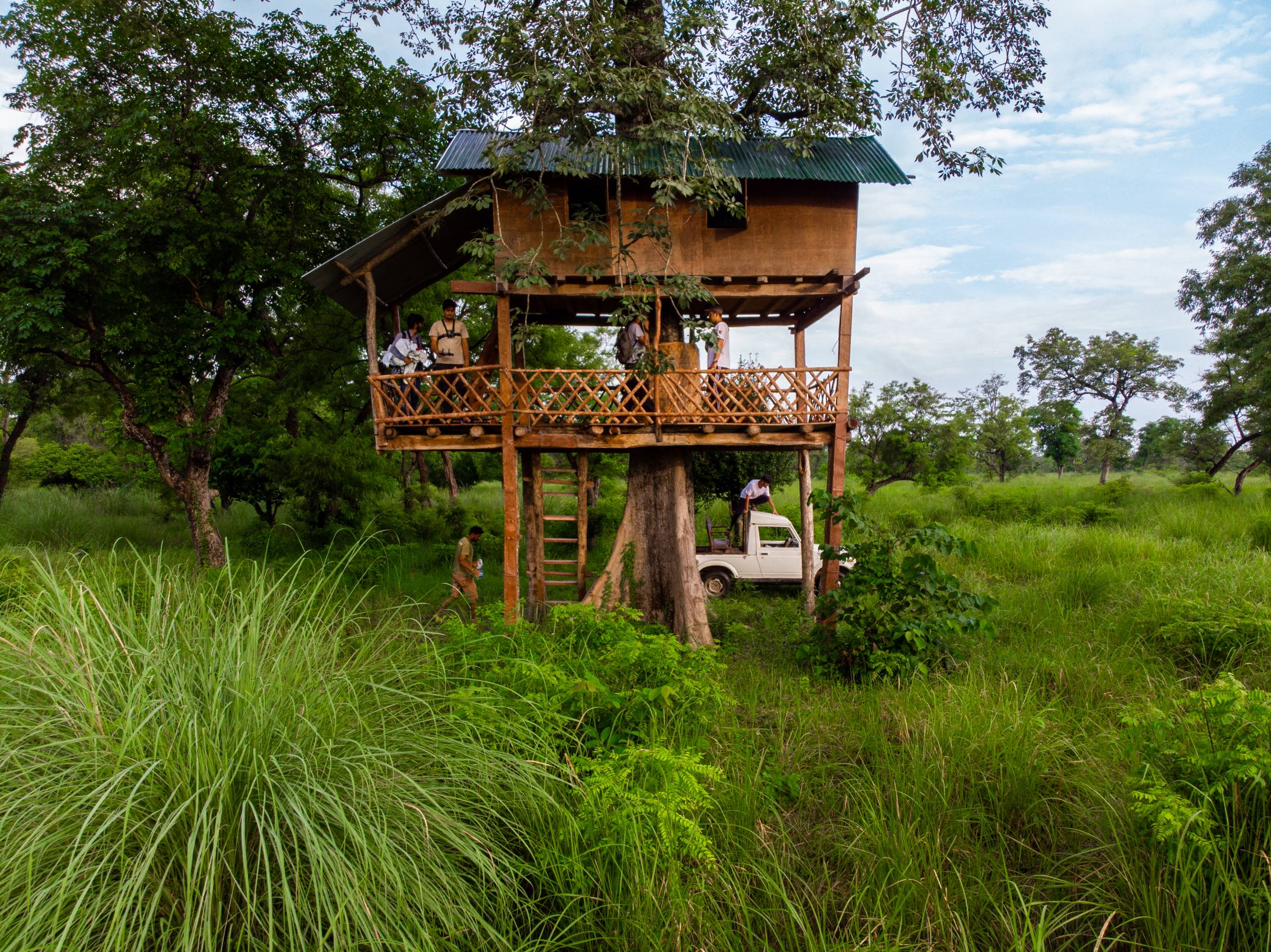
Eco-friendly treehouse accommodation in a jungle community homestay.
October is when tourist arrivals increase significantly. The skies clear, temperatures sit between 20-30°C, and visibility across grasslands is excellent. Festival season (Dashain and Tihar) coincides with this window, adding cultural depth to Tharu village visits in nearby Sauraha.
Book lodges 2-3 months ahead for October, especially around the festival dates.
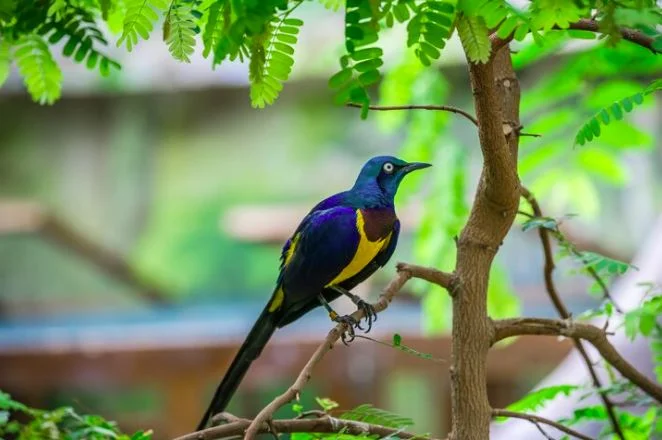
Bird watching tour in Nepal featuring a colorful exotic bird on a branch.
November combines mild temperatures (15-27°C), excellent light quality, and high wildlife activity. Sloth bear sightings tend to peak as the animals forage actively before winter. Migratory birds arrive in large numbers along the river systems.
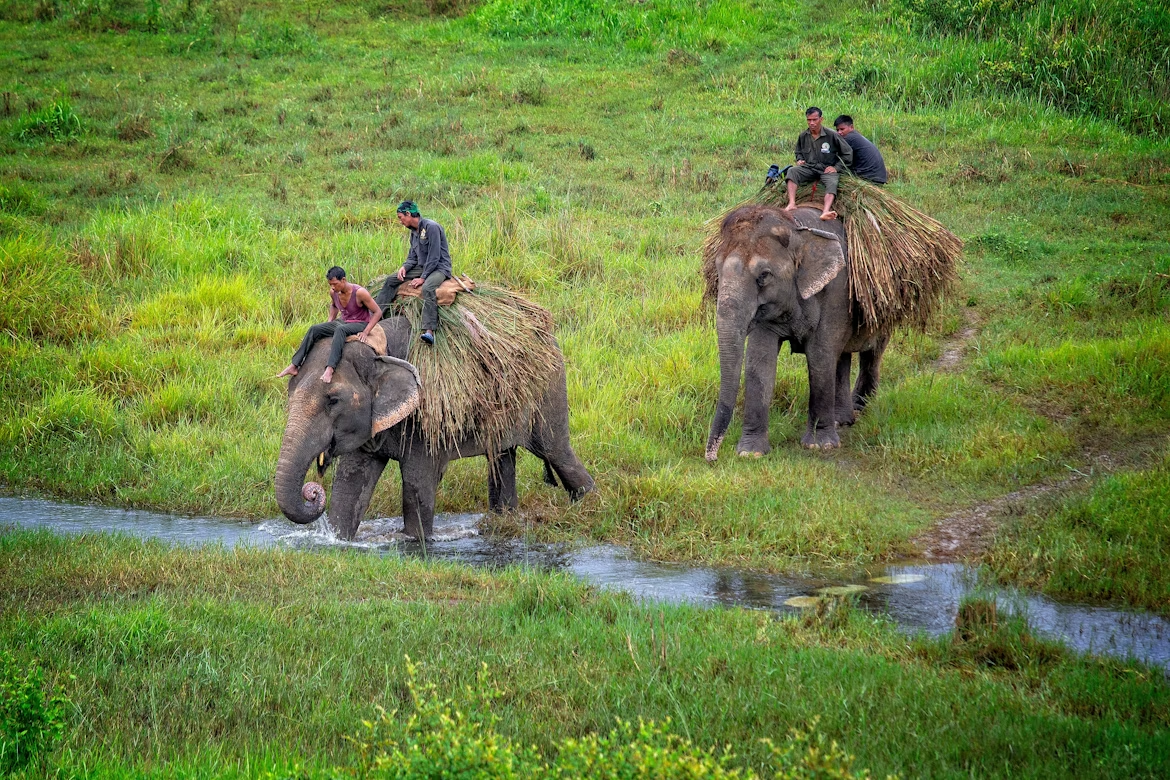
Source: Vince Russell
Locals participating in an elephant-back safari exploration through Chitwan National Park.
December brings cooler nights down to 5-8°C and morning fog that often delays the start of jeep safaris until 7:30 AM. Mid-December onwards sees slightly thinner crowds than November, particularly after the Christmas holiday rush concludes.
When planning your jungle safari itinerary for 2026/27, timing is everything. Because Chitwan National Park's subtropical climate radically changes visibility and animal behavior throughout the year, the "perfect time" entirely depends on what you want to experience.
Use this quick-reference breakdown to align your travel dates with your ultimate jungle bucket list.
Pro Safari Tip: If you want the absolute best balance of high wildlife visibility and comfortable walking weather, aim for late January or February. This is when local communities are permitted to harvest the tall elephant grass, instantly opening up line-of-sight visibility across the plains and making it incredibly easy to spot one-horned rhinos and deer grazing close to the trails.
Chitwan operates on a transparent fee structure managed by the Department of National Parks. Foreign nationals pay NPR 2,000 per day for park entry, while SAARC nationals pay NPR 1,000. All permits must be arranged at the Chitwan National Park Tourist Service Center in Sauraha.
Most jungle activities inside Chitwan National Park require a licensed guide or registered safari operator. The guide-to-visitor ratio for jungle walks is capped at 1:5, and a second tracker is mandatory for any walking safari. Jeep safaris run through licensed operators at additional cost, typically ranging by season and demand.
Sauraha, the main tourist gateway, sits about 165 kilometers southwest of Kathmandu. Tourist buses take 5-6 hours, while private vehicles can complete the drive in 4-5 hours depending on Mugling road conditions. Domestic flights operate from Kathmandu to Bharatpur Airport, taking just 25 minutes, followed by a 30-minute drive to Sauraha.
From Pokhara, the road journey runs roughly 4-5 hours via the Prithvi Highway. We recommend verifying live transport pricing through your booking agency, as rates fluctuate seasonally.
Chitwan is home to the indigenous Tharu people, whose stilt houses, stick dances, and agricultural traditions predate the park's establishment. When visiting Tharu villages, ask before photographing individuals, remove shoes when entering homes, and use both hands when accepting offered food or drink.
Tipping your guide and tracker at the end of a multi-day safari is culturally expected. Our standard guidance is 15-20% of the total safari cost, distributed between the lead guide, tracker, and jeep driver.
Rhino encounters on foot are real risks. Always follow your guide's instructions immediately during wildlife encounters. Sloth bears are considered among the park's most unpredictable animals, so stay close to your guide on walking safaris.
Carry sufficient Nepalese Rupees in cash. While Sauraha has ATMs, they frequently run dry during peak season weekends. Telecom coverage is strong throughout Sauraha and adjacent buffer zones, with both Ncell and Nepal Telecom (NTC) functioning reliably.
June through August offers the lowest lodge rates due to monsoon. Expect 30-50% discounts off peak season pricing, though jungle walks are frequently suspended due to flooding and leech activity.
Yes. Chitwan hosts more than 125 Royal Bengal tigers per the latest census. Sightings remain rare but peak in April and May when dry conditions push tigers toward shrinking water sources.
Yes. All park entry requires a licensed guide. Solo entry is strictly prohibited, and jungle walks require both a lead guide and an additional wildlife tracker accompanies walking safaris for safety purposes.
Foreign nationals pay NPR 2,000 per day. SAARC nationals pay NPR 1,000, and Nepali citizens pay NPR 150. Jeep safaris and canoe rides carry separate operator fees.
Monsoon offers lush scenery and lower crowds, but jungle walks are often closed and wildlife visibility drops. We recommend monsoon only for budget travelers or dedicated birders.
A minimum of 2 nights and 3 days allows for one jeep safari, one canoe ride, and a Tharu cultural evening. For serious wildlife photography or tiger tracking, plan 3-4 nights.
Routine vaccines plus typhoid and Hepatitis A are commonly recommended for travelers. Japanese Encephalitis is recommended if visiting during or just after monsoon. Consult a travel medicine clinic 4-6 weeks before departure.