Prabesh Tamang
Lumbini doesn't announce itself with snowcapped peaks or roaring rivers. Instead, it arrives quietly, a flat stretch of mango groves, lotus ponds and prayer flags in Nepal's southern Terai, where, around 563 BCE, Queen Maya Devi gave birth to Prince Siddhartha Gautama under a sal tree. That child became the Buddha, and this dusty corner of Rupandehi District became one of the four most sacred pilgrimage sites in the Buddhist world.
Our marketplace team coordinates Lumbini trips year-round, and we've watched it evolve from a sleepy archaeological site into a globally significant heritage destination. This guide pulls together everything we wish first-time visitors knew before they arrived from the exact entry fees and monastery layout to the brutal Terai heat that catches travelers off guard.
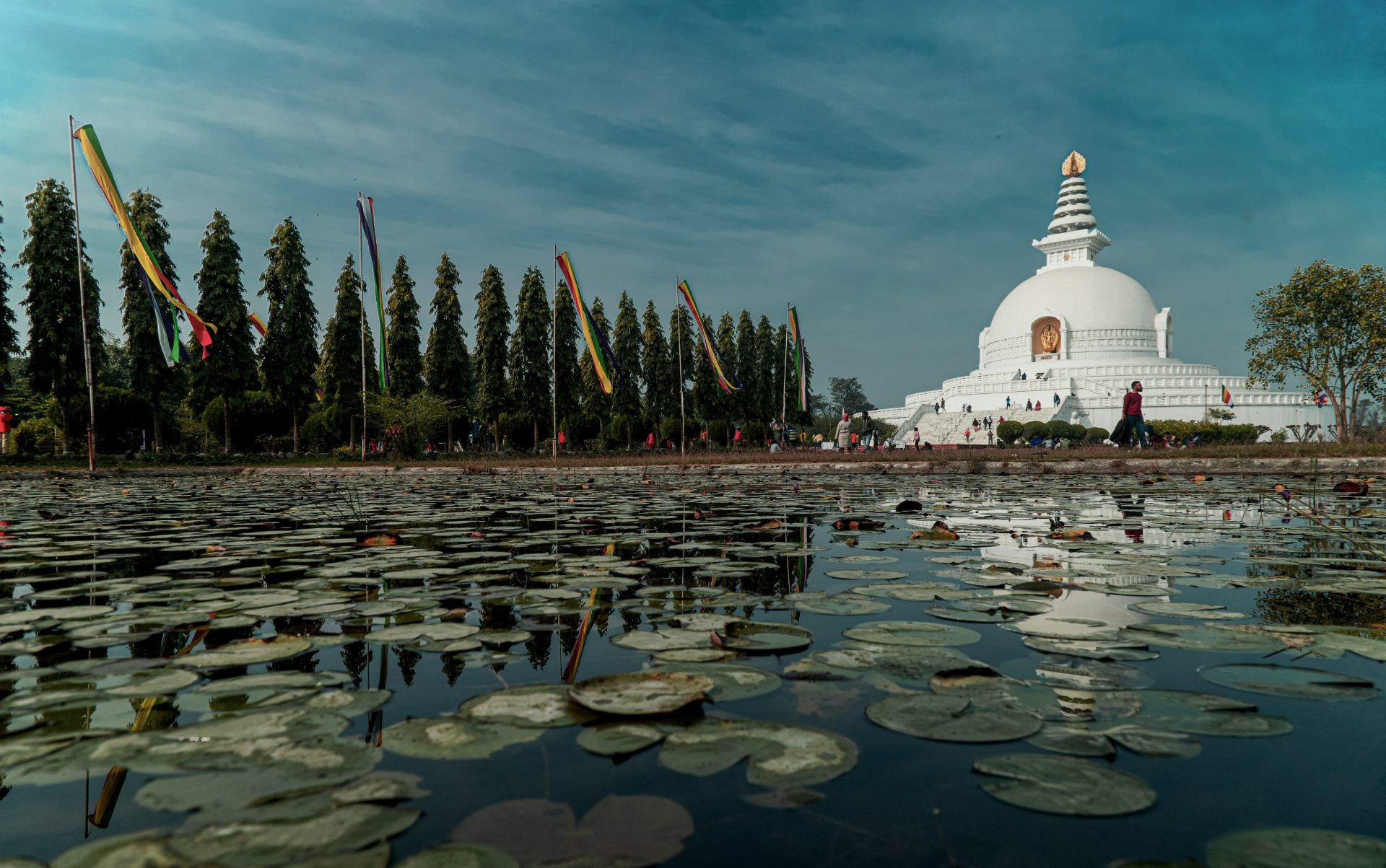
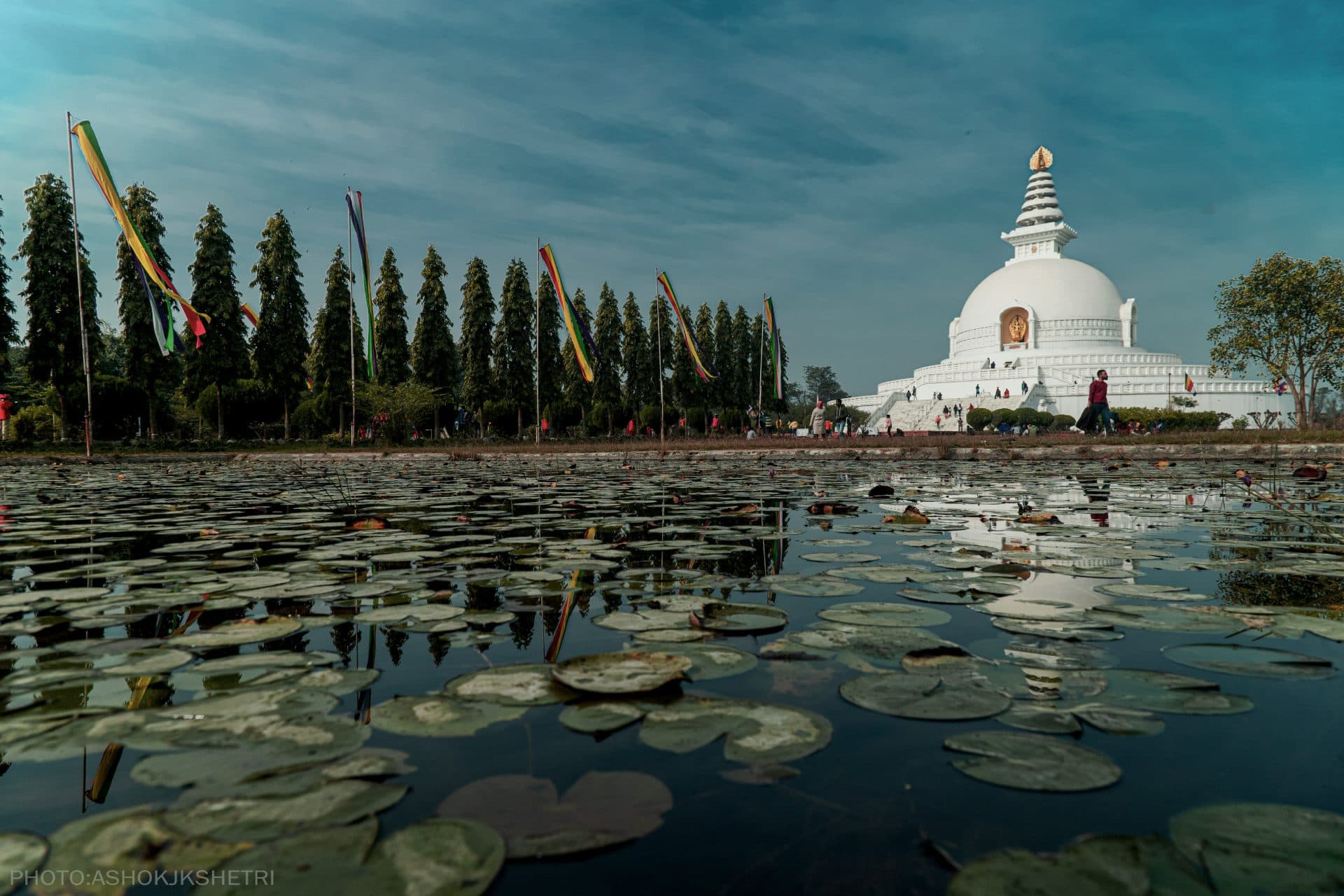
Source: Ashok acharya
Panoramic view of the shanti stupa in Lumbini, Nepal.
Lumbini is the verified birthplace of Siddhartha Gautama Buddha, confirmed by the Ashoka Pillar inscription of 249 BCE. Designated a UNESCO World Heritage Site in 1997, it contains the Maya Devi Temple, the sacred Puskarini pond, ancient monastic ruins, and over 25 international monasteries spread across a 3-square-mile master-planned zone.
The site sits in the lowland Terai plains near the Indian border, roughly 22 kilometers west of Bhairahawa (Siddharthanagar). It's not a trek, it's a pilgrimage and cultural experience that complements the high-altitude side of Nepal beautifully.
Most travelers reach Lumbini via Bhairahawa, the regional hub. From there, it's a 40-minute drive by taxi or local bus to the Lumbini Development Zone. You have three main options depending on your time and budget.
Domestic flights from Kathmandu to Gautam Buddha International Airport (Bhairahawa) take roughly 35 minutes. Buddha Air and Yeti Airlines operate daily flights. Live ticket prices fluctuate seasonally, we recommend verifying through your booking platform or our marketplace for current rates rather than relying on outdated figures.
The overland route from Kathmandu to Bhairahawa takes 8-10 hours on the Prithvi and Siddhartha Highways. From Pokhara, the journey is shorter at 6-7 hours. Tourist coaches are more comfortable than local buses and depart early morning.
A private car or jeep from Pokhara or Chitwan offers flexibility and roughly 5-6 hours of travel time from Chitwan's Sauraha. This is the option we most often arrange for travelers combining wildlife safaris with the Buddhist pilgrimage.
Lumbini's Sacred Garden is managed by the Lumbini Development Trust. Fees are fixed by nationality and are paid at the main gate. Children under 10 enter free.
The ultimate guide to planning your dream web travel adventure with the experts from myeasyguide.
Spam free. Unsubscribe anytime. We respect your privacy.
The Maya Devi Temple itself closes briefly during midday meditation hours. We recommend arriving by 7:00 AM for the cool morning light and to witness monks performing dawn rituals at the marker stone.
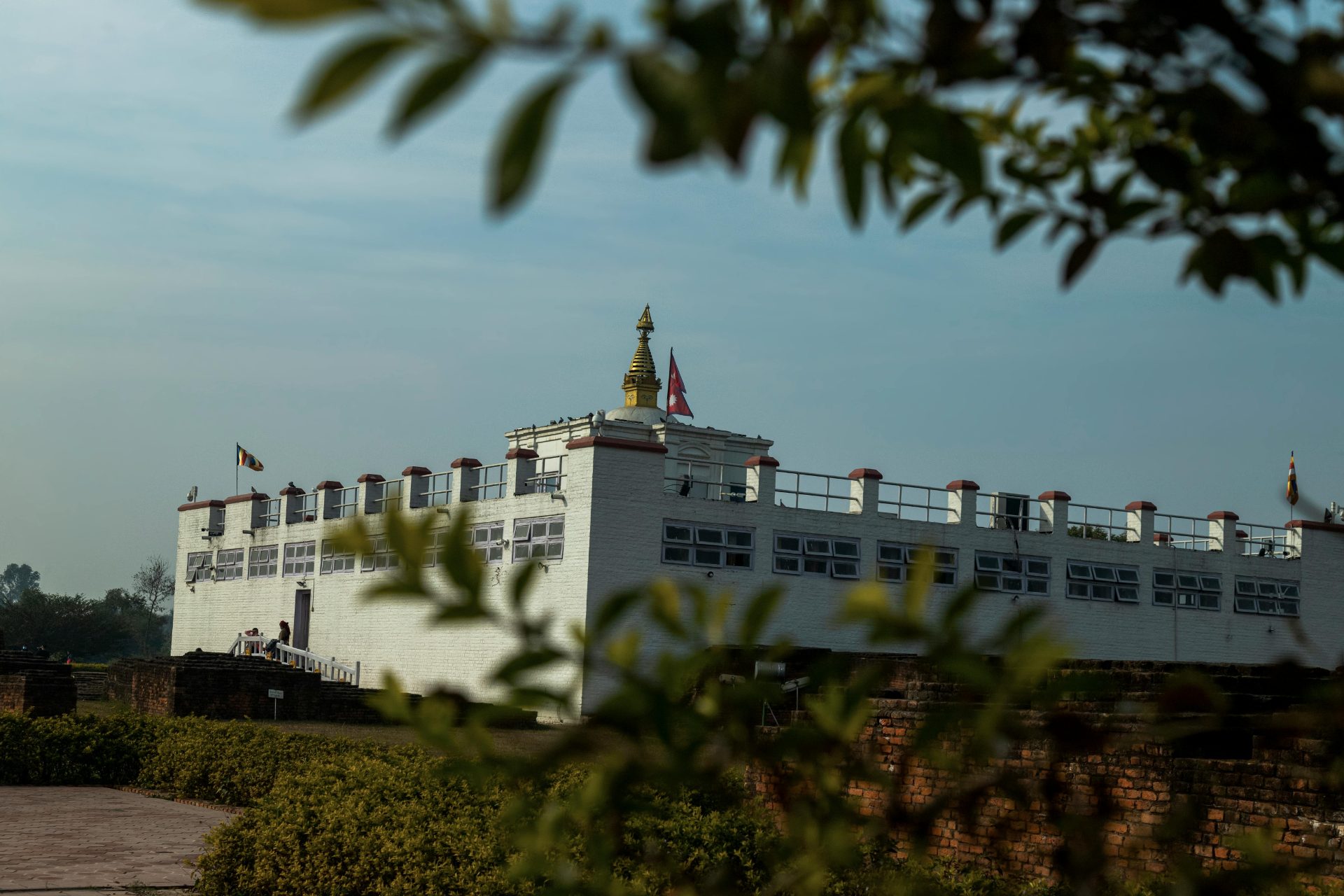
Source: Ashok J Kshetri
The white Maya Devi Temple, the sacred birthplace of Lord Buddha in Lumbini, Nepal.
The temple houses the Marker Stone, a flat sandstone slab discovered in 1996 by archaeologist Robin Coningham, identifying the exact spot of Buddha's birth. Beside it stands a worn bas-relief carving of Queen Maya Devi grasping a sal branch as the infant Buddha emerges. Shoes off, voices low, no cameras inside.
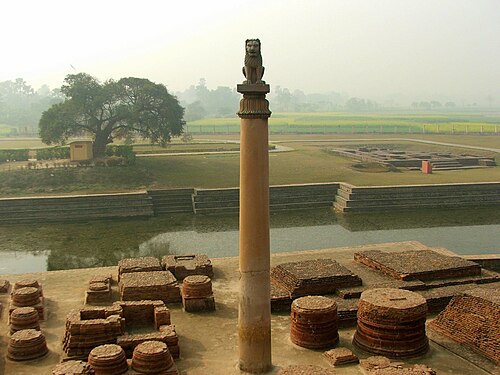
Source: Wikipedia
The historic stone Ashoka Pillar monument in Lumbini.
Erected by Emperor Ashoka in 249 BCE, this pink sandstone pillar bears a Brahmi script inscription declaring this the birthplace of Buddha. Its discovery in 1896 by German archaeologist Alois Anton Führer ended centuries of geographic speculation. Walk clockwise around it, keeping it to your right.
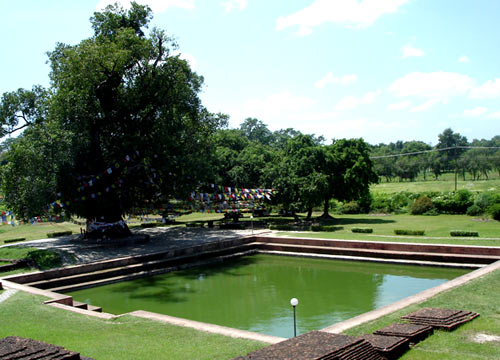
Source: Lumbini
The sacred Puskarini Holy Pond where Queen Maya Devi bathed before giving birth to Buddha.
The sacred pool where Queen Maya Devi is said to have bathed before the birth. Lotus blooms cover it in summer, and the surrounding bodhi trees are wrapped in thousands of prayer flags donated by pilgrims from across Asia.
Lumbini's master plan, designed by Japanese architect Kenzo Tange in 1978, divides the complex into the West Monastic Zone (Mahayana/Vajrayana traditions) and the East Monastic Zone (Theravada traditions). Each plot was granted to a different Buddhist nation to construct a monastery in its national style.
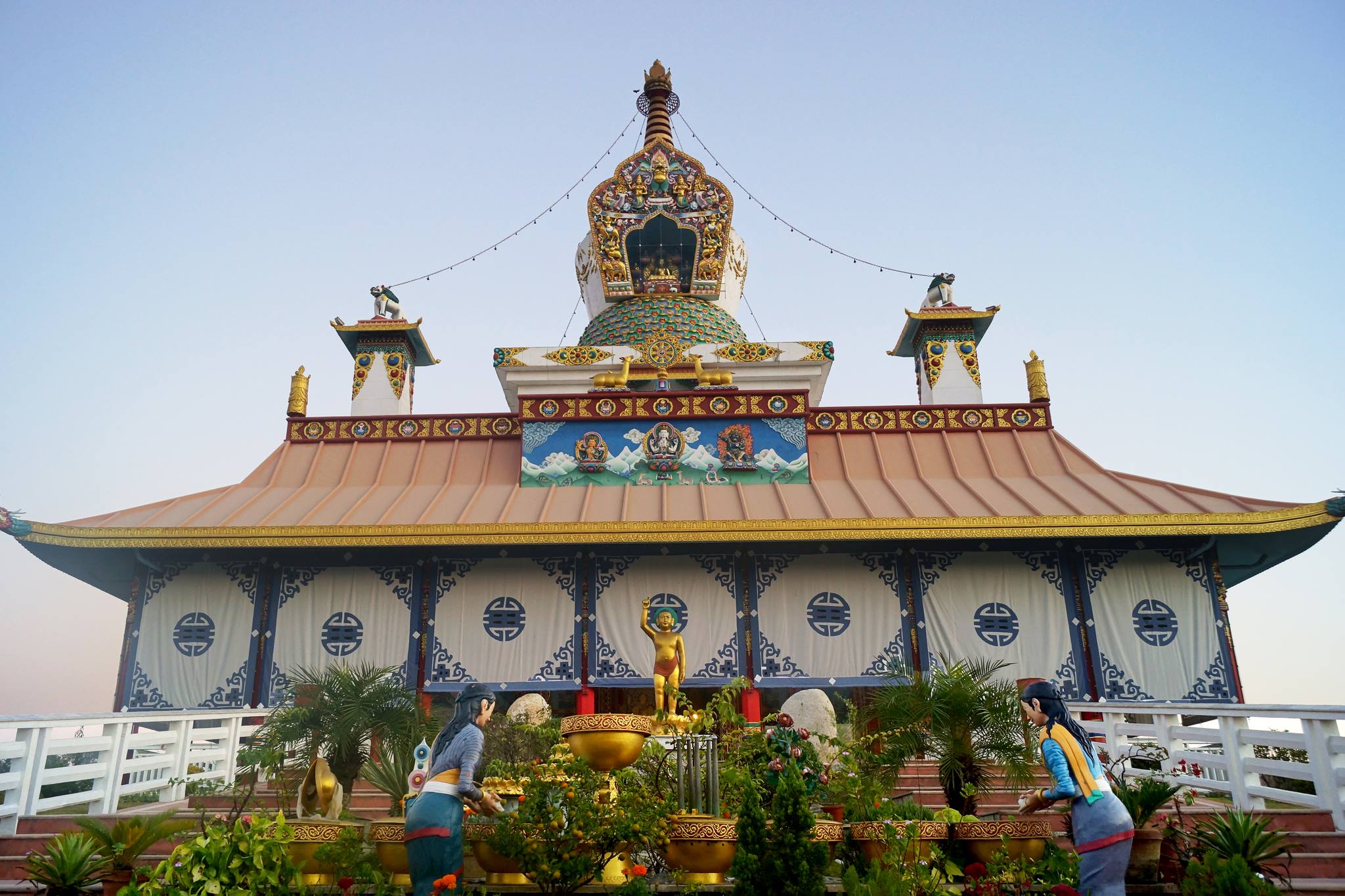
Source: Visits Nepal
The beautifully painted Great Lotus Stupa, representing Germany in the Lumbini Monastic Zone.
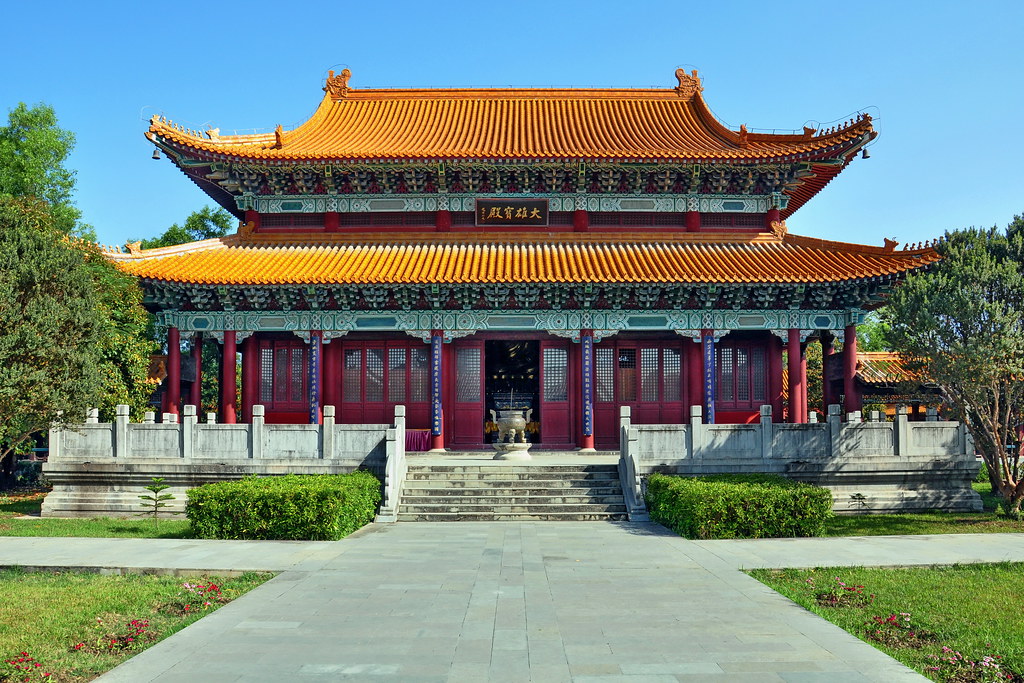
Source: Flickr
Traditional pagoda-style gateways and architecture of the Zhong Hua Chinese Monastery in Lumbini.
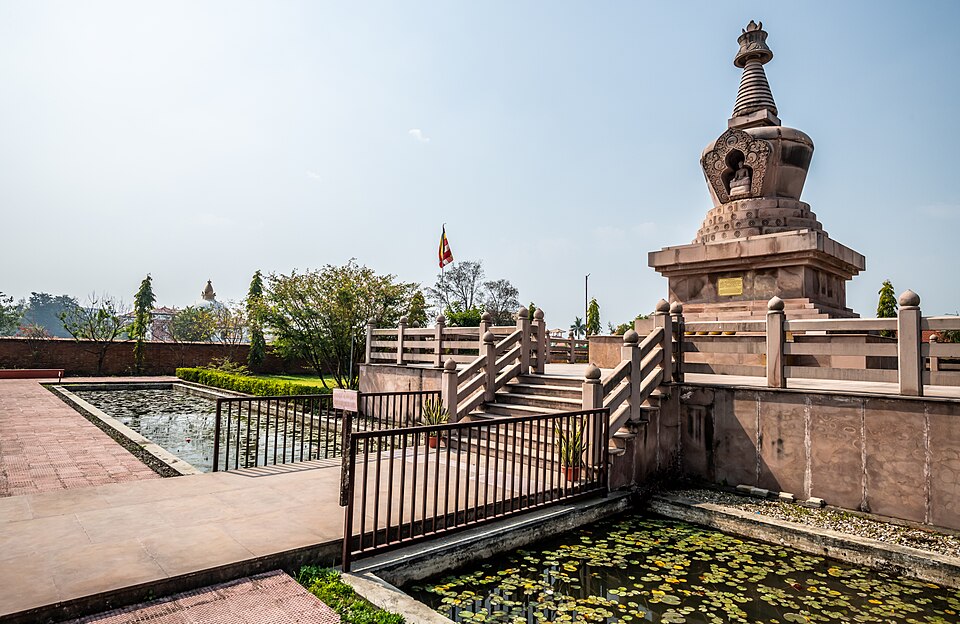
Source: Wikipedia
Intricate classic Tibetan-style architecture of the French Buddhist Monastery in Lumbini.
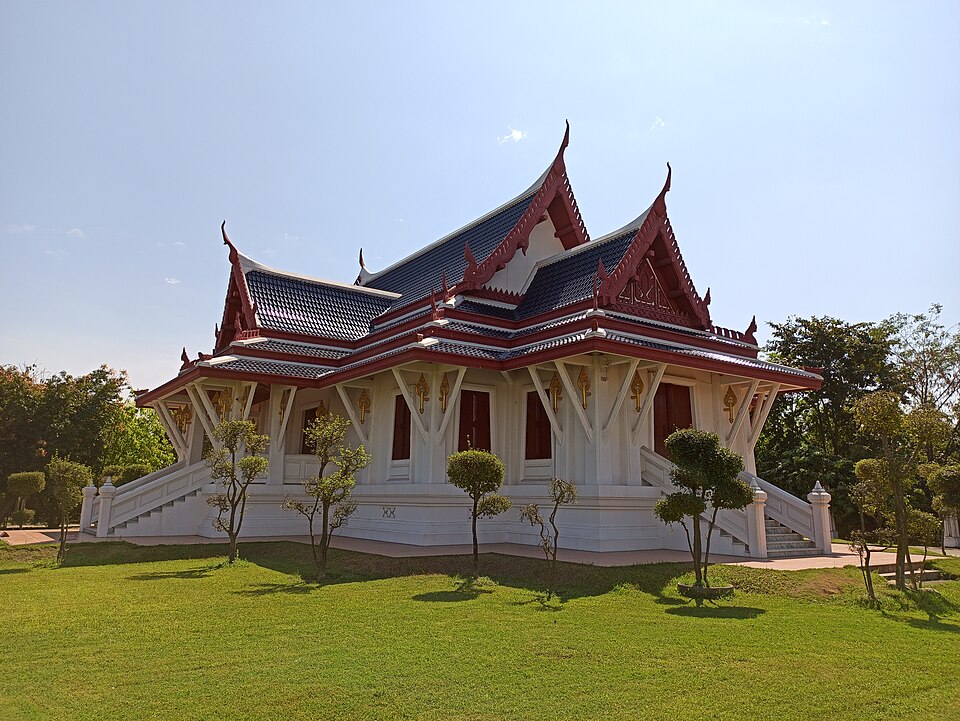
Source: Wikipedia
The elegant white marble architecture of the Royal Thai Buddhist Monastery in Lumbini.
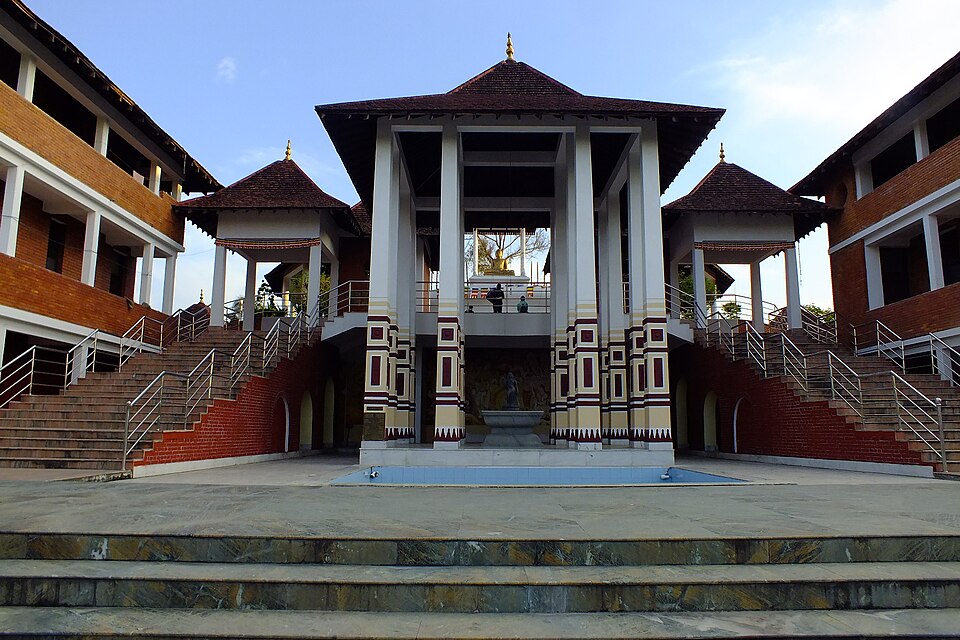
Source: Wikipedia
The unique architectural style and spires of the Sri Lankan Buddhist Temple in Lumbini.
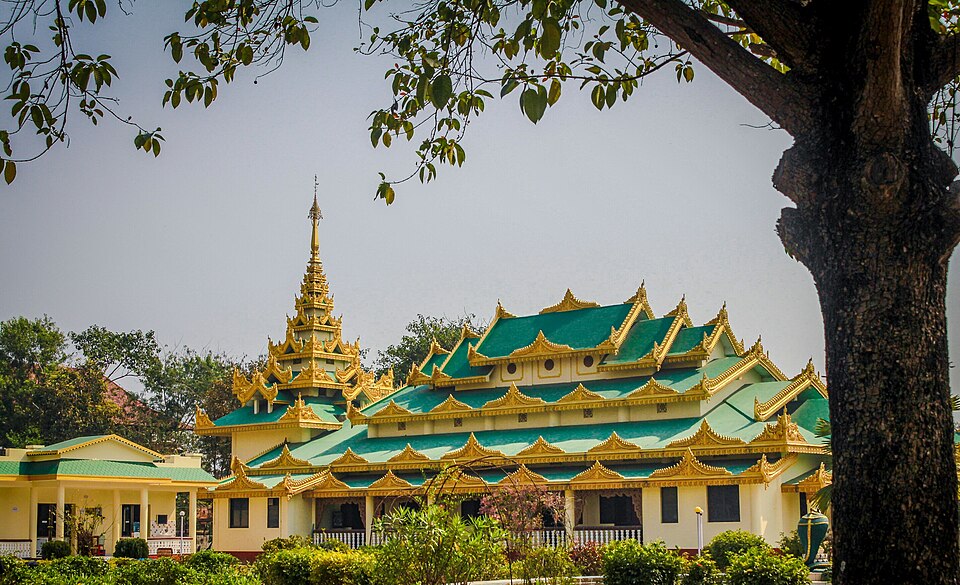
Source: Wikipedia
The ornate, glittering gold spire of the Myanmar Golden Temple in Lumbini.
Distances between monasteries can stretch to 2-3 kilometers. The smartest move is renting a bicycle near the main gate for NPR 200-400 per day. Electric rickshaws cost NPR 500-1,000 for a half-day circuit depending on group size.
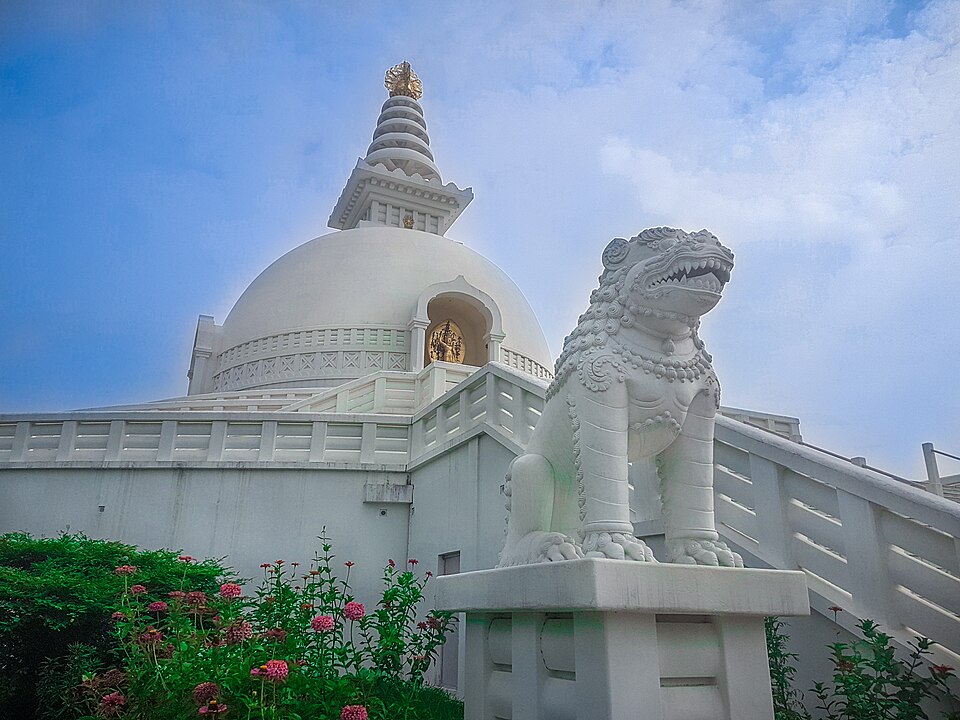
Source: Wikipedia
The gleaming white Lumbini World Peace Pagoda dome surrounded by peaceful gardens.
At the north end of the complex stands the Japanese Peace Pagoda, a brilliant white stupa completed in 2001. The surrounding wetlands form a protected sanctuary for the endangered Sarus Crane, the world's tallest flying bird. Birdwatchers should bring binoculars and visit between November and February for the best sightings.
Source: Online Khabar
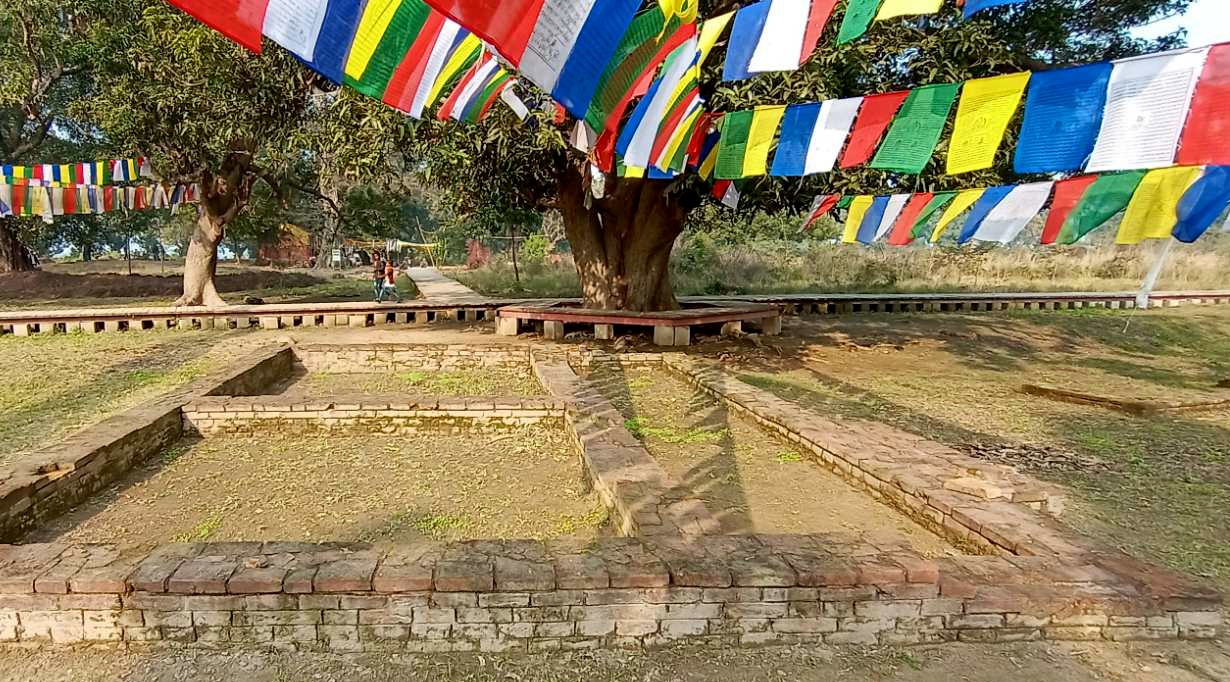
Archaeological ruins of the ancient Kapilavastu palace complex at Tilaurakot, the childhood home of Buddha.
Often skipped, but worth the detour. Located 27 kilometers west of Lumbini in Kapilavastu District, Tilaurakot is the archaeological site of the ancient Shakya kingdom's capital where Prince Siddhartha lived for his first 29 years before renouncing royal life. Excavated brick foundations, eastern and western gates, and a small museum bring the story to life. A private jeep from Lumbini costs NPR 3,500-5,000 round trip and takes a half day.
Buddha Jayanti (Buddha's birthday, full moon of May) is the most spiritually charged time to visit, but expect crowds and intense heat. Our team typically recommends late October through February for the most rewarding experience.
Accommodation falls into three tiers within or near the Lumbini Development Zone:
Live room rates fluctuate sharply by season and festival timing. We recommend verifying current prices through our marketplace or your booking partner.
Lumbini is an active religious site, not a museum. Visitors should observe these rules without exception:
Stick to vegetarian meals where possible, they're abundant, fresh and culturally appropriate for the location. Local Dal Bhat (lentil soup, rice, vegetable curry) provides clean, high-energy fuel with free refills at most local eateries. Hotel restaurants offer international menus, but street food carries higher stomach-upset risk in the Terai.
Skip bottled water. Carry a reusable bottle paired with a UV purifier, Sawyer Squeeze filter, or chlorine dioxide drops. The Terai climate also means malaria and dengue risk during monsoon, pack DEET-based repellent and consider antimalarials if traveling May through September.
Ncell and Nepal Telecom (NTC) both offer reliable 4G coverage throughout the Lumbini area. ATMs are available in Bhairahawa and at Lumbini Bazaar, but we recommend withdrawing NPR 15,000-20,000 in cash before arrival for monastery donations, bicycle rentals and small vendors. Credit cards work only at mid-range and luxury hotels.
If you've booked a guided Lumbini tour through our marketplace, tipping is culturally expected. A standard guideline is 15%-20% of the total tour cost, distributed between your guide and driver. For a one-day local guide, NPR 1,500-2,500 is appreciated.
No trekking permit or licensed guide is required. Lumbini is a cultural site, not a restricted area. You only pay the Lumbini Development Trust entry fee at the gate.
Two full days is ideal. Day one covers the Sacred Garden; day two lets you cycle the monasteries and visit Tilaurakot.
Yes — this is the classic Terai cultural loop. Chitwan to Lumbini is 5-6 hours by road, and Lumbini to Pokhara is roughly 6-7 hours.
Yes. Cover shoulders and knees, remove shoes and hats before entering, and maintain silence inside the shrine.
Several international monasteries (Korean, Vietnamese, Sri Lankan) accept overnight guests on a donation basis. Accommodation is basic and requires advance written request.
Yes — Lumbini is one of the safest destinations in Nepal. The pilgrimage atmosphere keeps the zone calm and respectful. Standard precautions apply in nearby Bhairahawa town after dark.