
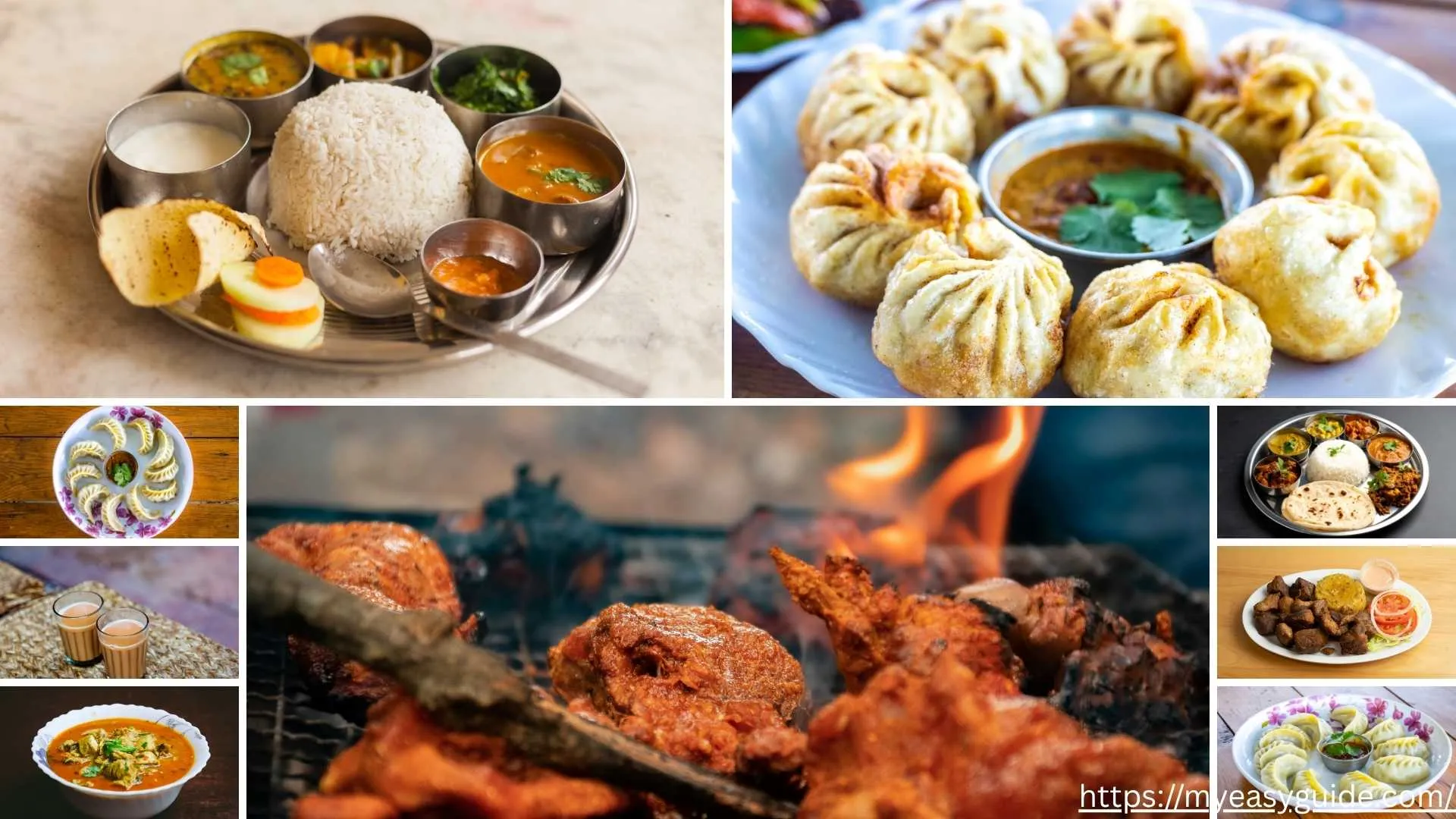
As you walk through the winding streets of Kathmandu in December or any other time of the year, the aroma of spices fills the air. Steam rises from street vendors’ carts, and the sound of sizzling momo mingles with friendly chatter. This is Nepal, a country where food isn't just a means of sustenance, it's a story told through every meal.
As a Nepali who has had the pleasure to be part of the Nepali dining scenario all my life, I will be exploring Nepali cuisine, and I'm excited to take you on this culinary adventure. Beyond the famous mountain peaks and ancient temples, Nepal has a food culture that'll captivate your taste buds and warm your heart. And, the interesting part, it's a beautiful blend of Indian and Tibetan influences, but with something uniquely its own.
Whether you're planning a trip to Nepal, craving something new to cook at home, or just curious about world cuisines, you're in for a treat. Let me walk you through this Nepali food Guide to understand the dishes, traditions, and flavors that make Nepali food so special.
Here's what struck me most about Nepali food culture: it's deeply personal and incredibly communal at the same time. Every region adds its own twist, drawing from India, Tibet, and centuries of local tradition. The result? A food landscape as diverse as the country itself.
Food in Nepal is about togetherness because Nepali Meals aren't rushed affairs; rather, they're moments to connect with family and friends. You'll often see people eating with their hands, which might seem unusual at first, but locals will tell you it actually enhances the experience. There's something intimate about it, a direct connection to your food.
What I love most is how balanced everything is. A typical Nepali plate brings together grains, lentils, and fresh vegetables in perfect harmony. The spices, oh, the spices! The cumin, turmeric, ginger, and coriander work together to create layers of flavor that build with each bite.
Fermented foods play a bigger role than you might expect. They're not just about taste (though they definitely deliver on that front); they're packed with nutrients and offer those complex, tangy flavors that make you come back for more.
During festivals, food takes center stage. Families spend hours preparing traditional dishes, and there's a spiritual element too because food connects people to their faith and their ancestors.
Here's what really defines Nepali food culture:
Walk through any Nepali market, and you'll see this culture come alive. The energy is infectious, the colors are vibrant, and the aromas are well, they'll have you hungry in minutes. Nepali food isn't just about filling your stomach; it's about feeding your soul.
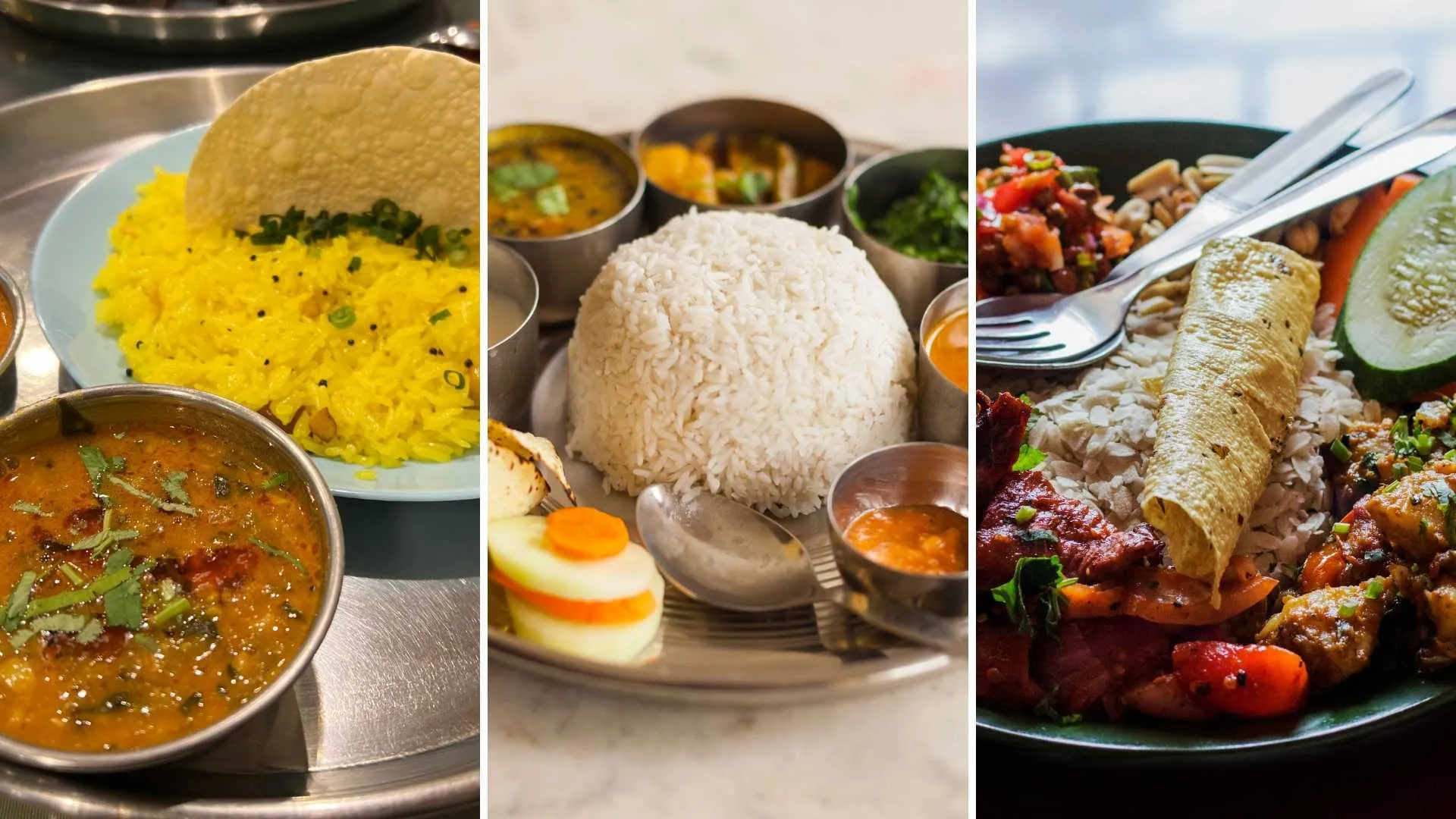
One of the coolest things about Nepal? The food changes dramatically as you move around the country. Mountain villages have distinct culinary personalities, while lowland plains and valley towns each have their own unique flavors.
Life in the Himalayas is tough, and the food reflects that reality. When it's freezing outside, you need something warm and filling as you hike through the mountain trails of Nepal. That's why hearty noodle soups and thick stews dominate the menu up here.
The altitude changes everything, including what people can grow and raise. Yak products become essential as the yak butter tea keeps you warm, and yak cheese provides crucial protein. These aren't just foods, but they're survival strategies that have worked for generations.
Preservation is an art form in the mountains. You can't exactly run to the store in the middle of winter, so people have perfected techniques for drying and fermenting. Thukpa, that amazing noodle soup you'll find everywhere, is the perfect example because it's nourishing, warming, and absolutely delicious.
Head down to the fertile Terai region, and it's like entering a different world. Rice paddies stretch as far as you can see, vegetables grow in abundance, and the food? It's bold, spicy, and colorful.
The dishes here pack a punch. Mustard oil adds that distinctive, sharp flavor, while fenugreek seeds and green chilies bring the heat. Everything feels more vibrant, from the flavors to the colors on your plate, because you will want more to be full.
Rice and lentils rule here, prepared in countless ways. Dal Bhat reaches its peak in this region. And those tangy pickles known as “Achar” that come with every meal? They're not optional, but they're essential.
If you want to experience the true depth of Nepali cuisine, you need to dive into Newari food. The Newar community in Kathmandu Valley has spent centuries perfecting its craft, and it shows.
These folks are fermentation masters. Their dishes are packed with probiotics and flavor, striking that perfect balance between healthy and delicious. Chatamari might get called "Nepali pizza," but that doesn't do it justice, as it's a crispy rice crepe topped with incredible ingredients that create something unique.
Then there's Bara, those amazing lentil pancakes that can be vegetarian or loaded with meat. Every Newari dish tells a story, reflecting hundreds of years of tradition and cultural pride.
Want to know a secret of the Nepali cookbook? Nepali cooking isn't complicated, but it's about using simple, quality ingredients in smart ways.
Rice forms the foundation of most meals. Lentils are equally important, providing protein and that comforting, earthy flavor. But the real magic happens with the spices. Cumin, coriander, turmeric, and ginger, as these are your essential four. Learn to use them well, and you're halfway to authentic Nepali flavor.
Mustard oil deserves special mention. It's pungent, it's distinctive, and it's essential for getting that authentic taste in curries and pickles. Don't skip it. Vegetables change with the seasons, keeping things interesting year-round. Leafy greens, potatoes, and bamboo shoots show up constantly. The cooking methods are traditional but effective: boiling keeps things simple, steaming preserves nutrients, and fermenting develops those complex flavors that make Nepali food so interesting.
In rural areas, people still cook in clay pots. Why? They add an earthy flavor and hold heat beautifully. These old techniques aren't just nostalgia, but how they genuinely make the food taste better.
A traditional Nepali meal is an experience. At the center? Almost always Dal Bhat, that perfect combination of rice and lentil soup that's been sustaining people for generations.
But it's not just those two things. You'll get vegetable curries, yogurt, and definitely some pickles (achar) to add zing. Everything arrives on a "thali," which is basically a large metal platter with small bowls arranged around it. Each bowl holds a different dish, creating this beautiful, varied spread.
Eating with your hands is normal and encouraged. Sure, you can ask for a fork and spoon, but try it the traditional way at least once. There's something special about it, and it’s a directness and intimacy with your food that forks and spoons just can't match.
The social aspect matters enormously. Meals are meant to be shared, conversations are meant to flow, and hospitality is meant to shine. If you're a guest, expect to be served first and encouraged to eat until you're absolutely stuffed. That's just how it's done.
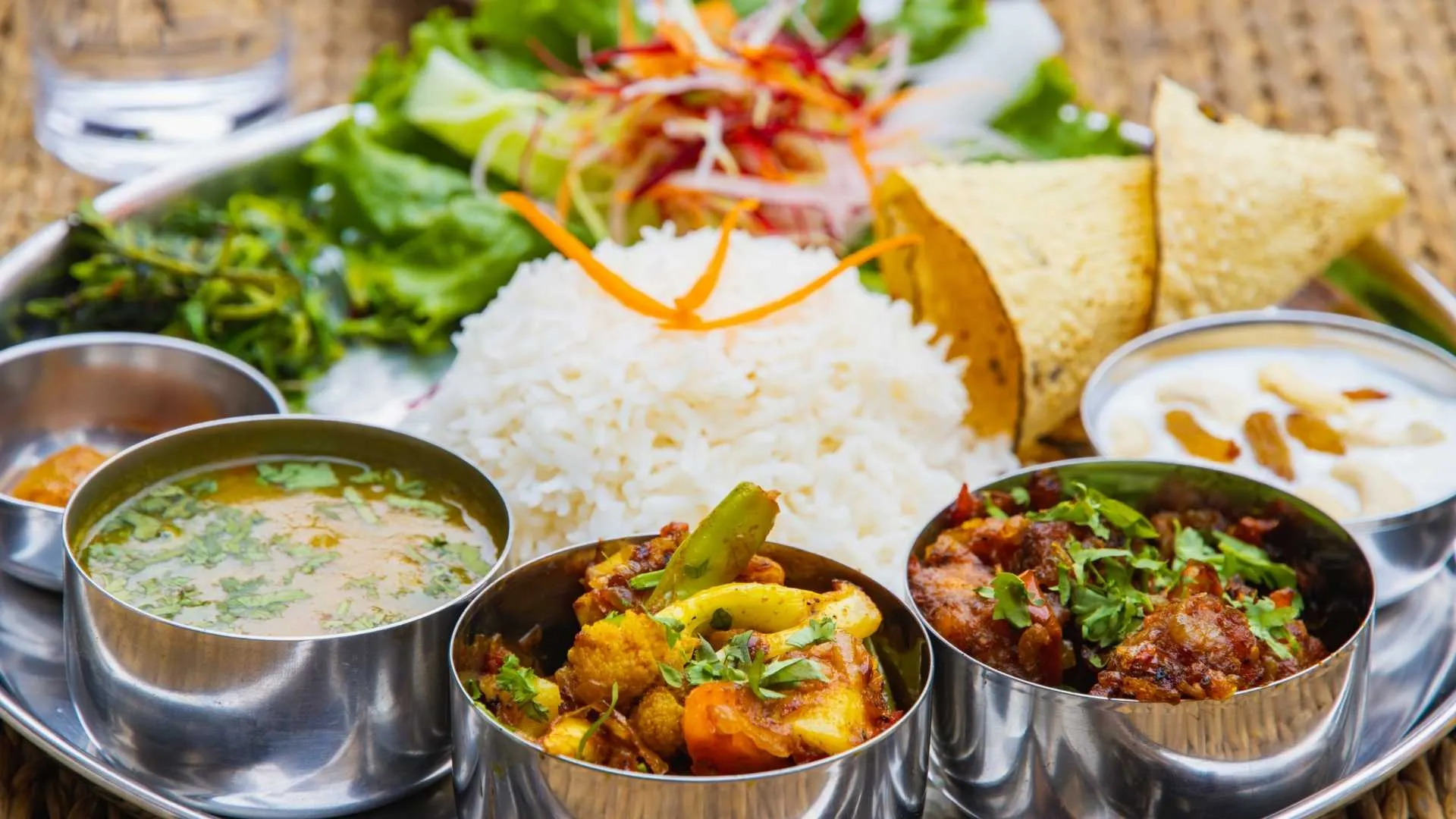
If Nepal had to choose one dish to represent itself, Dal Bhat would win hands down. It's simple, it's satisfying, and it appears on lunch and dinner tables across the entire country every single day.
The basics are straightforward: steamed rice (bhat) paired with lentil soup (dal). But here's what makes it brilliant: it's nutritionally complete and endlessly adaptable. The quality of your rice and lentils matters a lot, but so do the sides.
Those accompaniments, pickles, vegetable curries, maybe some meat, transform Dal Bhat from simple to spectacular. Regional variations exist everywhere, influenced by what's available locally. The beauty is in its simplicity and how those side dishes let you customize every meal.
Nepali people have a saying: "Dal Bhat power, 24 Hours." They're not wrong. This dish gives you sustained energy and satisfaction that lasts.
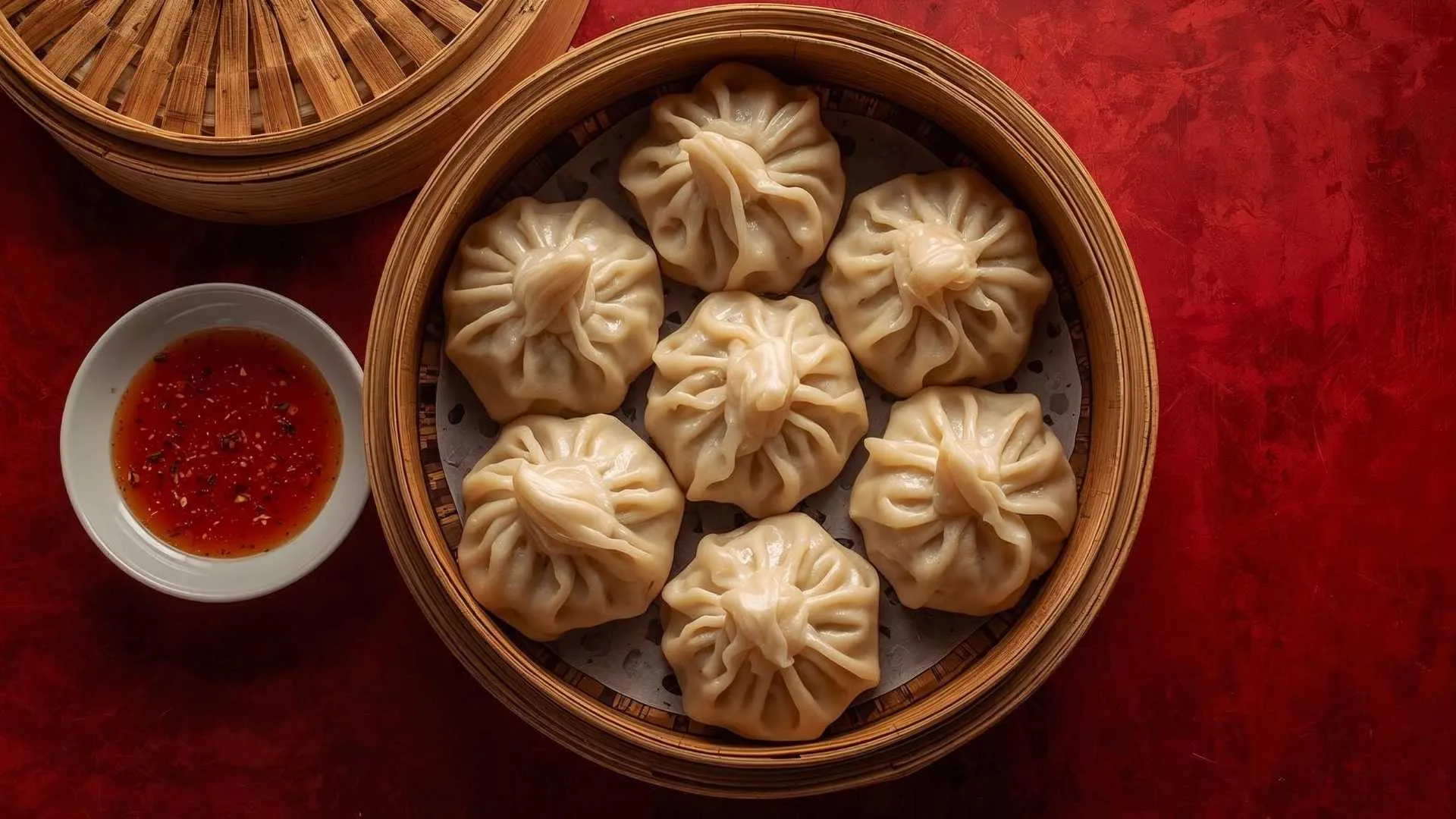
Ask anyone about Nepali food, and momo will come up within the first 30 seconds. These dumplings are more than food as they're a cultural phenomenon. Originally from Tibet, they've become completely Nepali through adoption and adaptation.
The dough is tender but strong enough to hold amazing fillings, spiced chicken, buffalo, or, for vegetarians, cabbage, carrots, and cheese. Each bite is a flavor explosion, especially when you dip them in that spicy, tangy achar sauce.
Making momo often becomes a family affair. Everyone gathers to roll dough, spoon filling, and fold the dumplings into their signature pleated shape. It's cooking as bonding time.
Steamed momo are the classic, but don't sleep on the fried version that’s crispy outside, juicy inside. And if you want something different, try jhol momo, which swim in a spicy, flavorful broth. Trust me, you'll want to order extra.
You'll find momo everywhere: street stalls, fancy restaurants, and home kitchens. They're the ultimate democratic food, loved by everyone, available to everyone.
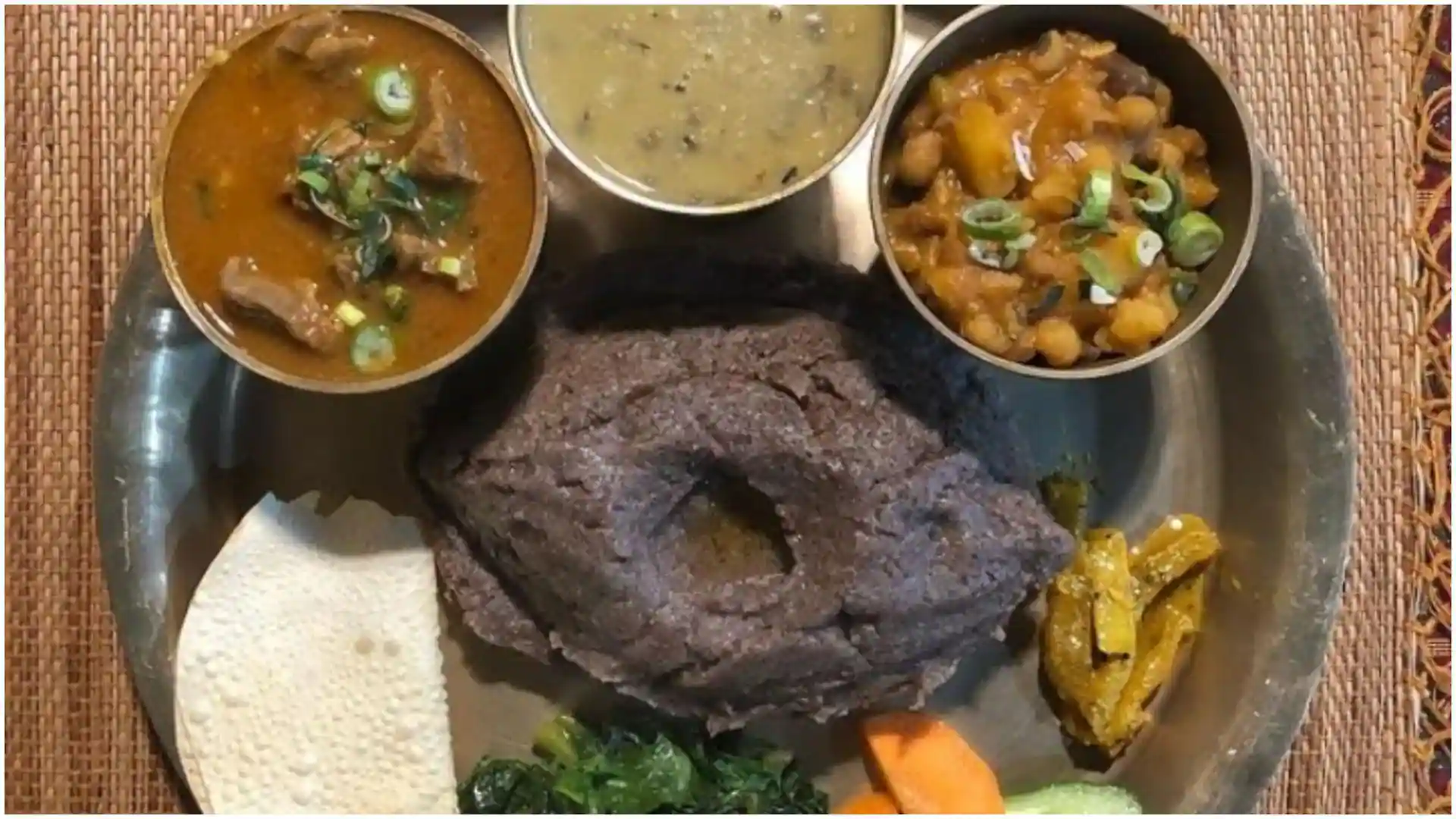
Head up to the mountains, and you'll encounter Dhindo, which is a dish that might not win beauty contests but delivers on substance and tradition. Made from buckwheat or millet flour, it's hearty, filling, and perfect for cold mountain life.
Making Dhindo requires some muscle. You stir flour into boiling water, mixing vigorously until it thickens into a smooth, dense consistency. The result looks a bit like polenta and tastes wonderfully earthy.
You eat it with lentil soup, pickles, and sometimes meat. Using your hands is traditional and adds to the experience. Dhindo represents resilience, because for generations, mountain people have relied on this simple, nourishing dish to sustain them through harsh conditions.
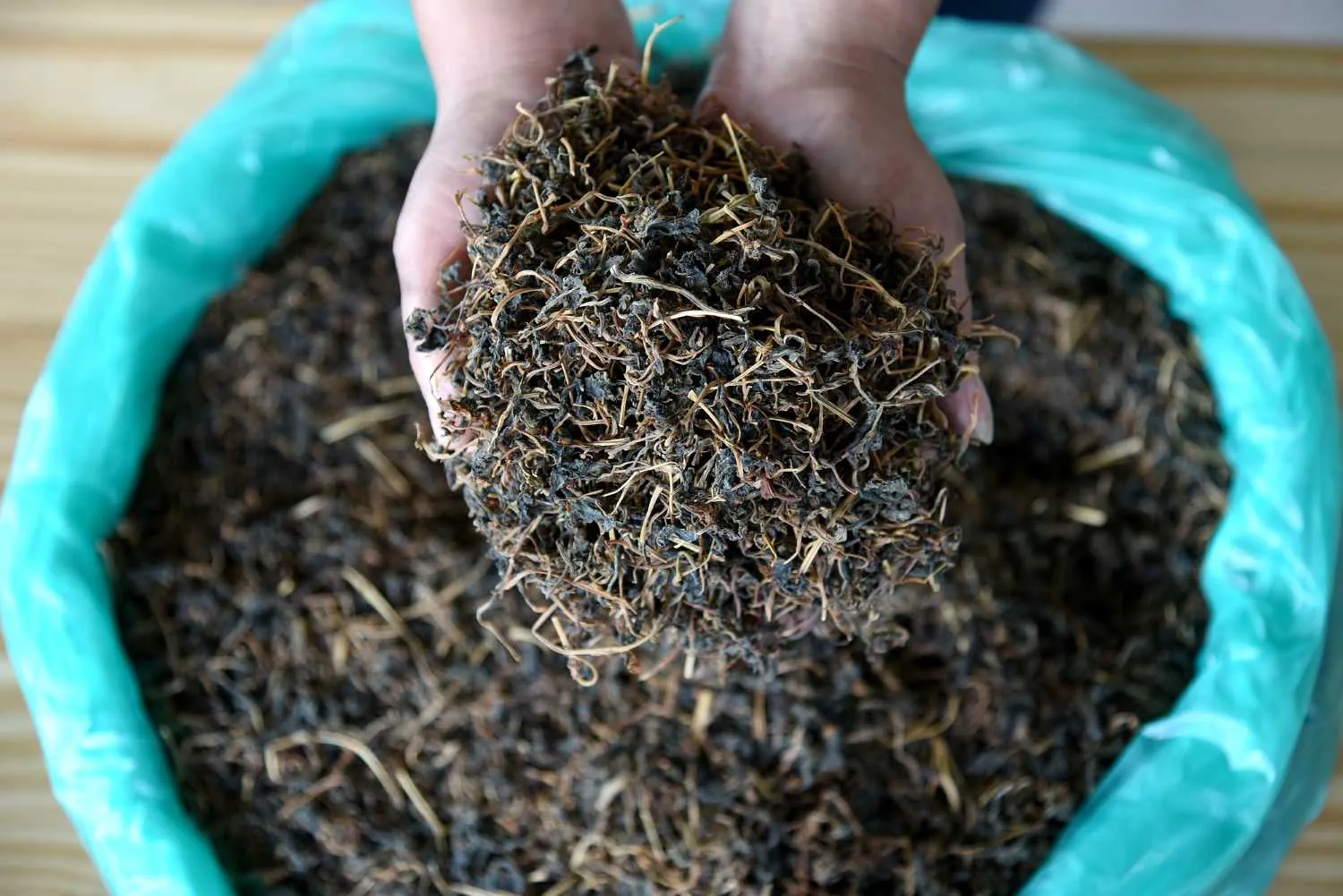
Gundruk might be my favorite example of Nepali culinary ingenuity. Take leafy greens, which are usually mustard, radish, or cauliflower leaves, and dry them, pack them tight, and let them ferment for weeks. What you get is a sour, tangy ingredient that adds incredible depth to meals.
The fermentation process is natural and traditional, creating that distinctive flavor that Nepali cooks love. Gundruk shows up as a side dish, gets added to soups, and enriches curries with its unique taste.
This isn't just about flavor, but it's about resourcefulness. Fermenting preserves vegetables for months, turning something that would spoil quickly into a long-lasting ingredient. It's smart, sustainable, and delicious.
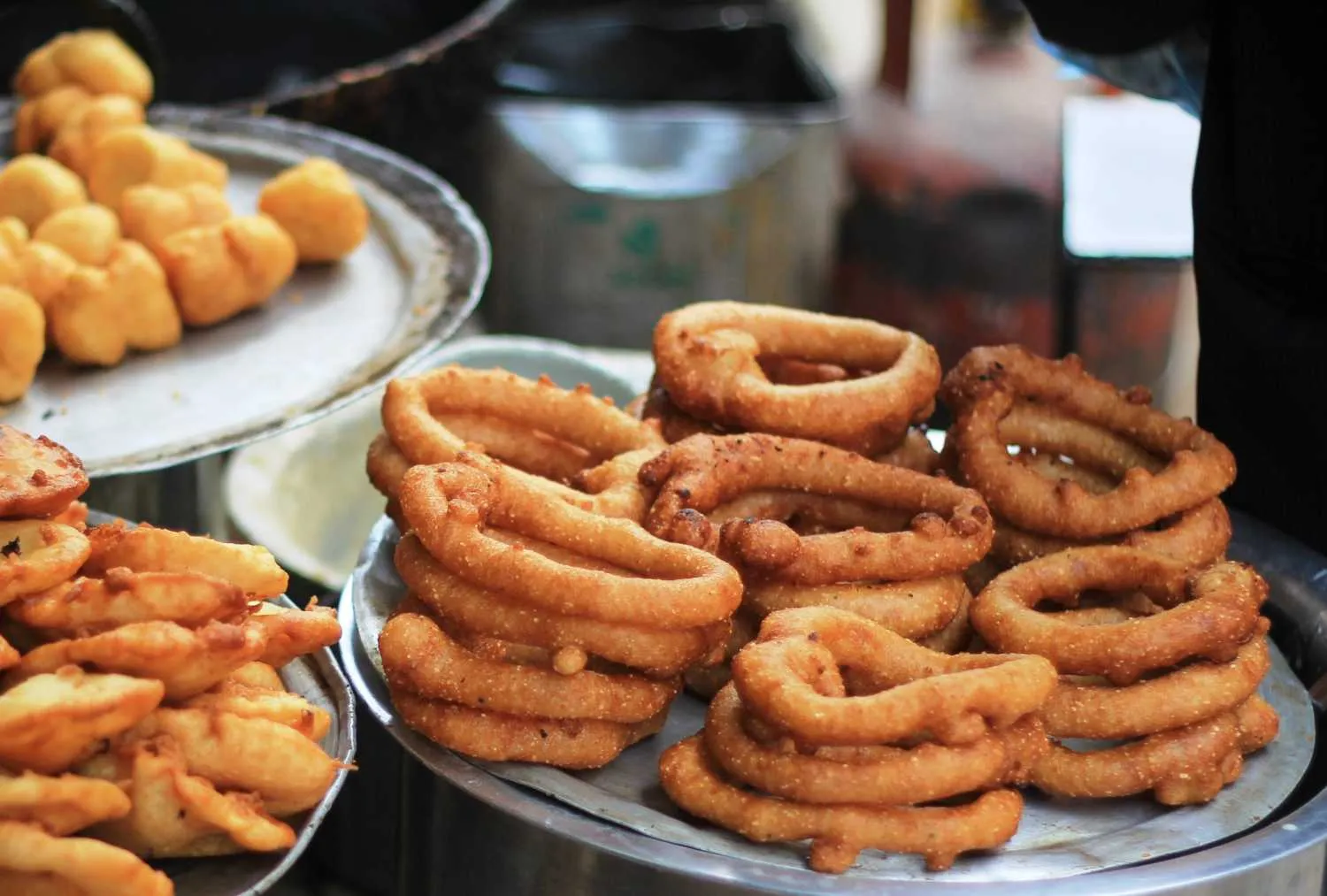
Sel Roti shows up when it's time to celebrate. This sweet, ring-shaped rice bread looks like a doughnut but has its own unique character, with crispy edges, a tender middle, and a subtle sweetness enhanced by cardamom.
Making Sel Roti is pretty straightforward, which consists of rice flour, water, sugar, and a touch of cardamom, but getting that perfect crispy-tender texture takes practice. Families make it together during Dashain and Tihar, the biggest festivals in Nepal.
It's delicious with morning tea, works surprisingly well alongside savory curries, and brings back childhood memories for every Nepali who's had it fresh from grandma's kitchen. Sweet, nostalgic, and absolutely worth trying.
If you want to try Sel Roti wherever you are, this is a Selroti recipe you can follow to make crispy and delicious Selroti.
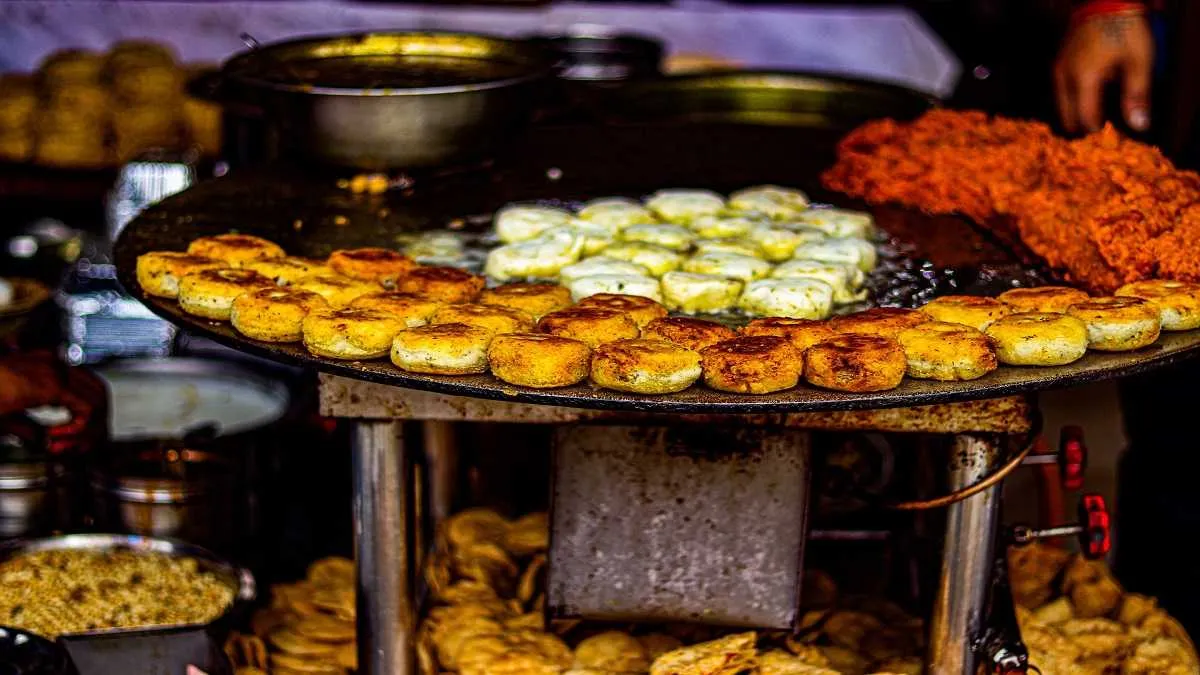
Nepal's street food culture is where the magic really happens. Every city, every town has vendors creating magic on small carts and grills, filling the air with irresistible aromas.
Samosas are everywhere, and for good reason; those crispy triangular pastries stuffed with spiced potatoes hit the spot every time. Pair them with tangy chutney, and you've got the perfect snack.
Chatamari, which is also known as "Nepali pizza," is a thin rice crepe topped with minced meat, eggs, and vegetables. It's a Newari specialty that's taken over street stalls everywhere.
Bara, those savory lentil pancakes, offer serious satisfaction. Sometimes topped with eggs, sometimes with meat, always delicious and filling.
Laphing brings serious heat, with its cold, spicy mung bean noodles and a fiery chili sauce that'll make you sweat (in the best way).
Pani Puri (you might know them as golgappa) are little crispy shells filled with spicy tamarind water. They're refreshing, exciting, and totally addictive.
Chatpat mixes puffed rice, fried noodles, and spicy sauce for a crunchy, tangy snack that's perfect when you want something light but flavorful.
Sukuti is a dried, spiced meat strip that offers intense flavor and makes a great protein-packed snack.
The street food scene is affordable, diverse, and genuine. It's where locals eat, and it's where you should eat too.
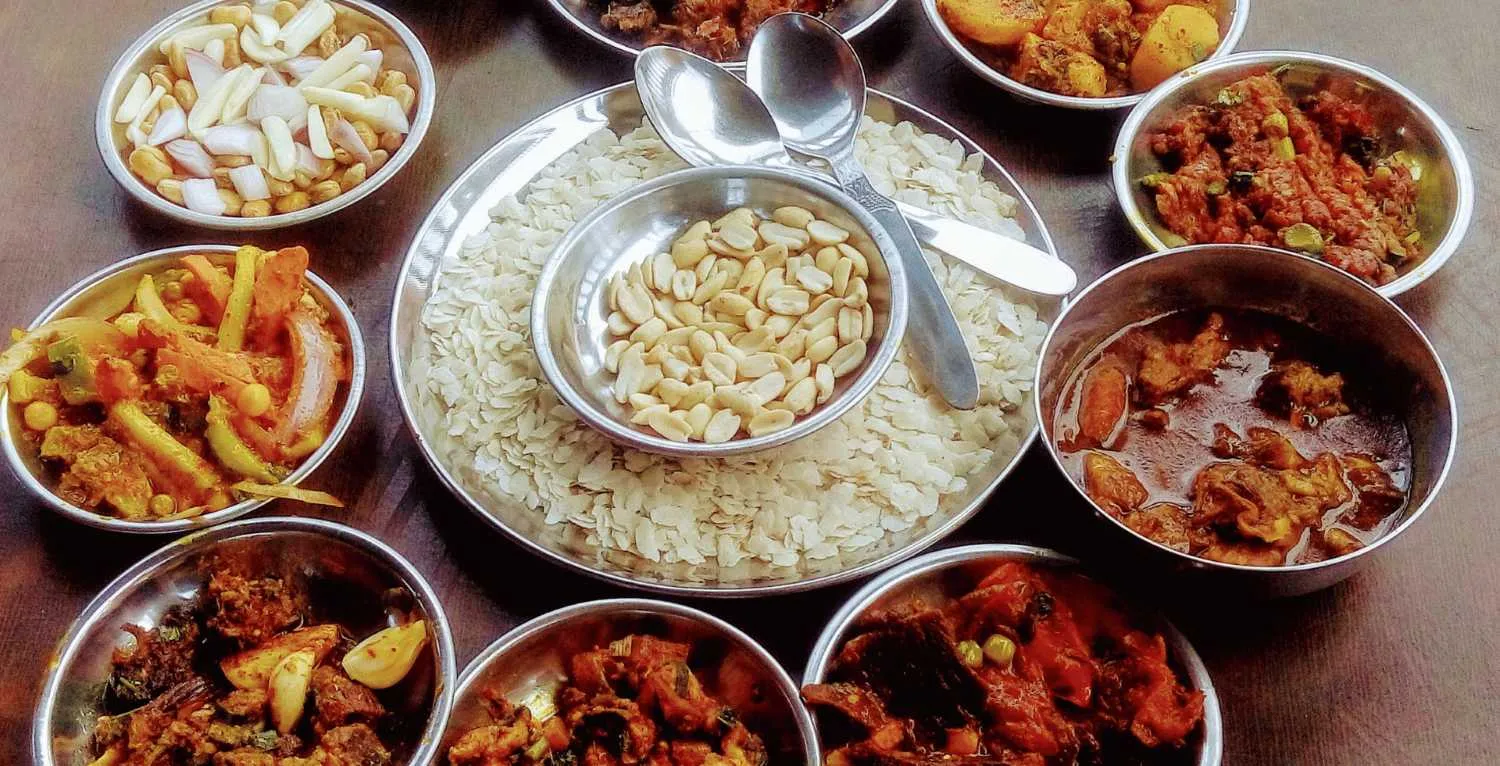
If you really want to understand Nepali food, you need to experience Newari cuisine. The Newar people have created something extraordinary, and that’s a culinary tradition that's complex, sophisticated, and deeply rooted in cultural heritage.
Samay Baji is the ultimate Newari feast, which is a platter featuring beaten rice, grilled meat, black soybeans, boiled egg, and various pickles. It's ceremonial food, typically served during festivals and special occasions, and every element means something.
Chhwela, spiced and grilled buffalo meat, showcases the cuisine's bold flavors. Yomari, sweet rice flour dumplings filled with molasses, demonstrates the range, from savory to sweet, simple to elaborate.
Traditional preparation methods matter here. Clay pots, open fires, and techniques passed down through generations, and these aren't just romantic notions; they genuinely affect the taste. Buffalo meat features heavily, providing rich, deep flavors that define many dishes.
Newari cuisine requires patience and skill. The Newar community has maintained these traditions for centuries, and tasting this food connects you directly to that history.
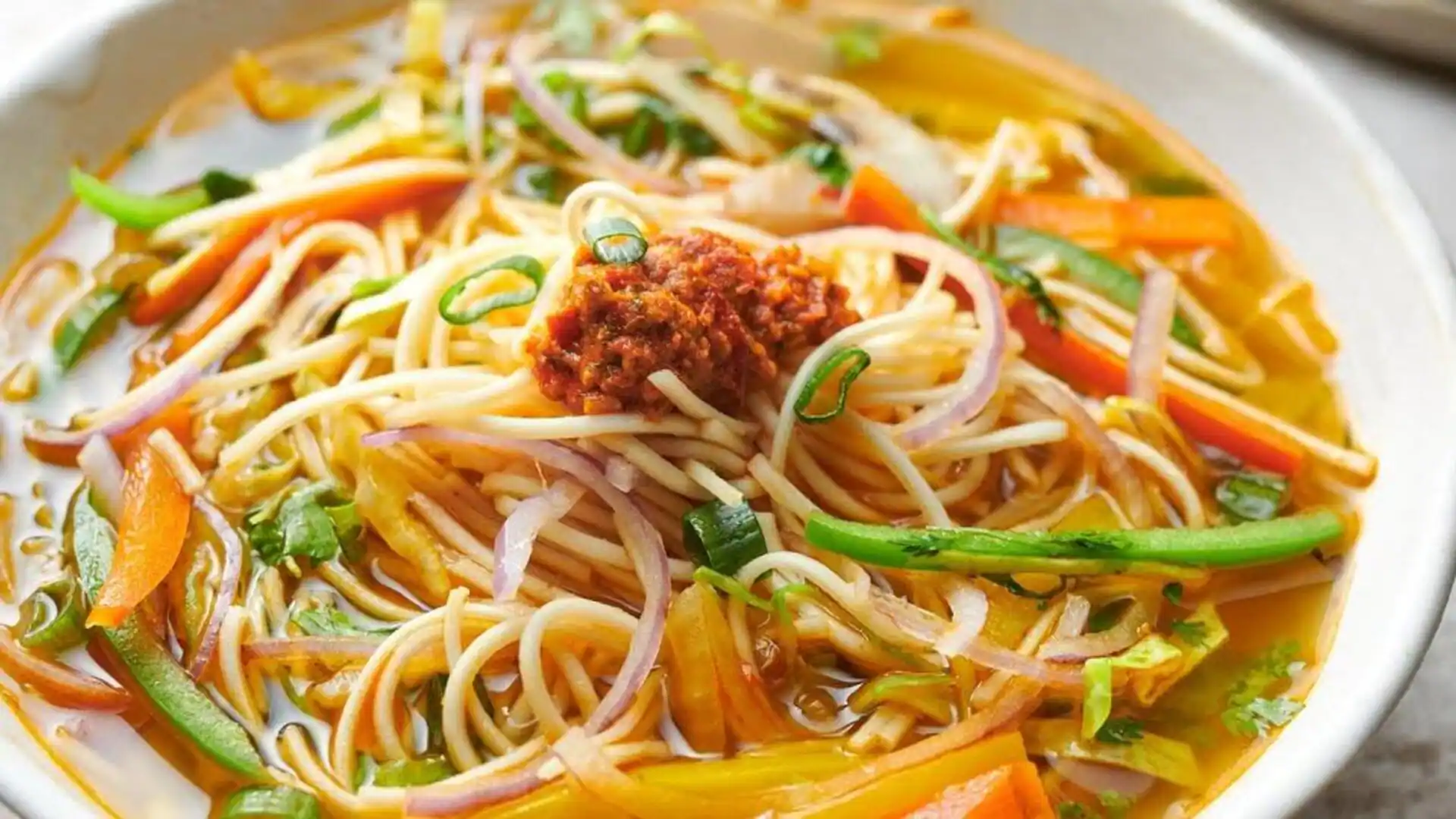
Thukpa is comfort in a bowl. This hearty noodle soup, with its Tibetan roots, has become completely at home in Nepal, especially in mountain regions where warmth is essential.
The broth is rich and flavorful, loaded with vegetables or meat and aromatic spices. Different noodle types change the experience, like the thick and chewy or thin and delicate; each brings something different.
A dollop of spicy achar on the side? Essential. It adds brightness and heat that complements the soup perfectly.
Beyond Thukpa, Nepal has embraced noodles in various forms. Chatamari offers a crispy rice noodle experience, while Laphing brings cold, spicy excitement. This fusion of Tibetan influence and Nepali innovation creates comfort food that resonates across the country.
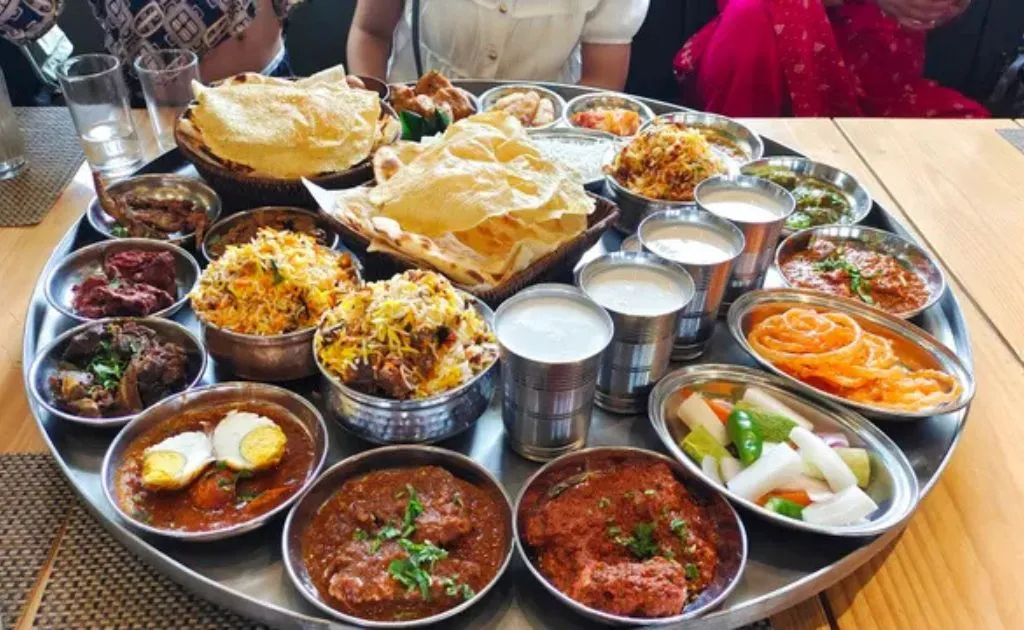
Nepali curries range from mild and aromatic to intensely spicy, reflecting the country's regional diversity. The foundation is always that beautiful spice blend, like the cumin, coriander, and turmeric, important for creating layers of flavor that develop as you eat.
Meat options include chicken, goat, and buffalo, each bringing a distinct character. Sukuti, that dried and spiced meat, offers a chewy texture and concentrated flavor. Aloo Tama, combining potatoes and bamboo shoots in tangy curry, provides comfort and uniqueness.
Sekuwa is grilled marinated meat at its finest, which is smoky, spicy, and absolutely delicious. Kukhura Ko Masu (spiced chicken curry) shows up at family dinners everywhere. Bhutan, spicy fried offal, might sound adventurous, but it's incredibly flavorful.
These dishes receive careful attention in Nepali kitchens. The goal isn't just feeding people; it's creating experiences that bring joy and satisfaction.
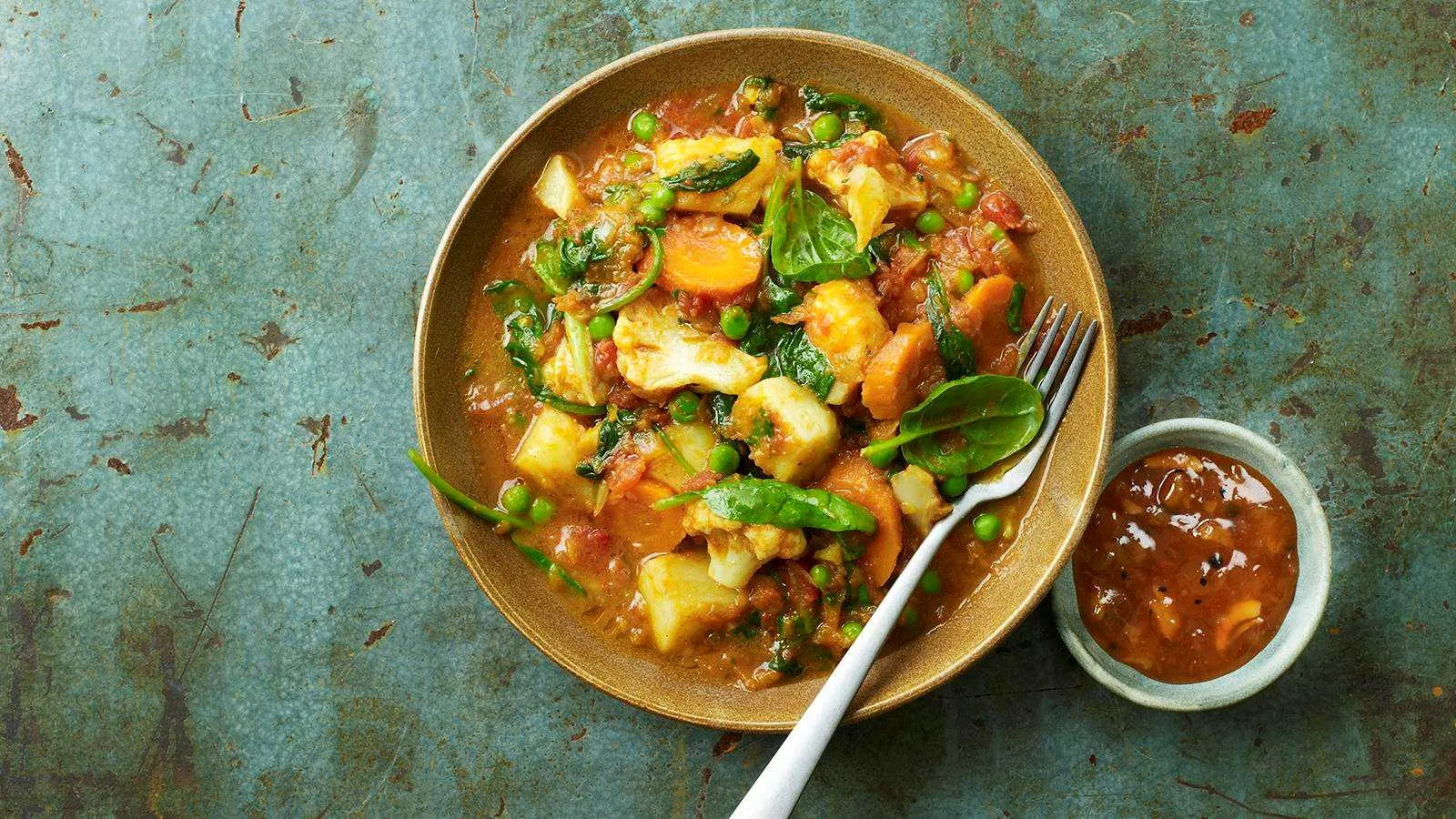
Thinking Nepali food is all about meat? Think again. The cuisine naturally accommodates vegetarian and vegan diets beautifully.
Dal Bhat in its vegetarian form is nutritionally complete lentils provide protein, rice offers energy, and seasonal vegetables add vitamins and variety. Vegetable curries showcase local produce brilliantly, using those aromatic spices to create depth without any animal products.
Gundruk adds its fermented magic to plant-based dishes, bringing complexity and nutrition. Grains like millet and buckwheat in Dhindo offer gluten-free, filling options that have sustained mountain communities for generations.
Try these vegetarian favorites:
These aren't compromise dishes, but they're delicious in their own right, reflecting Nepal's respect for nature's bounty.
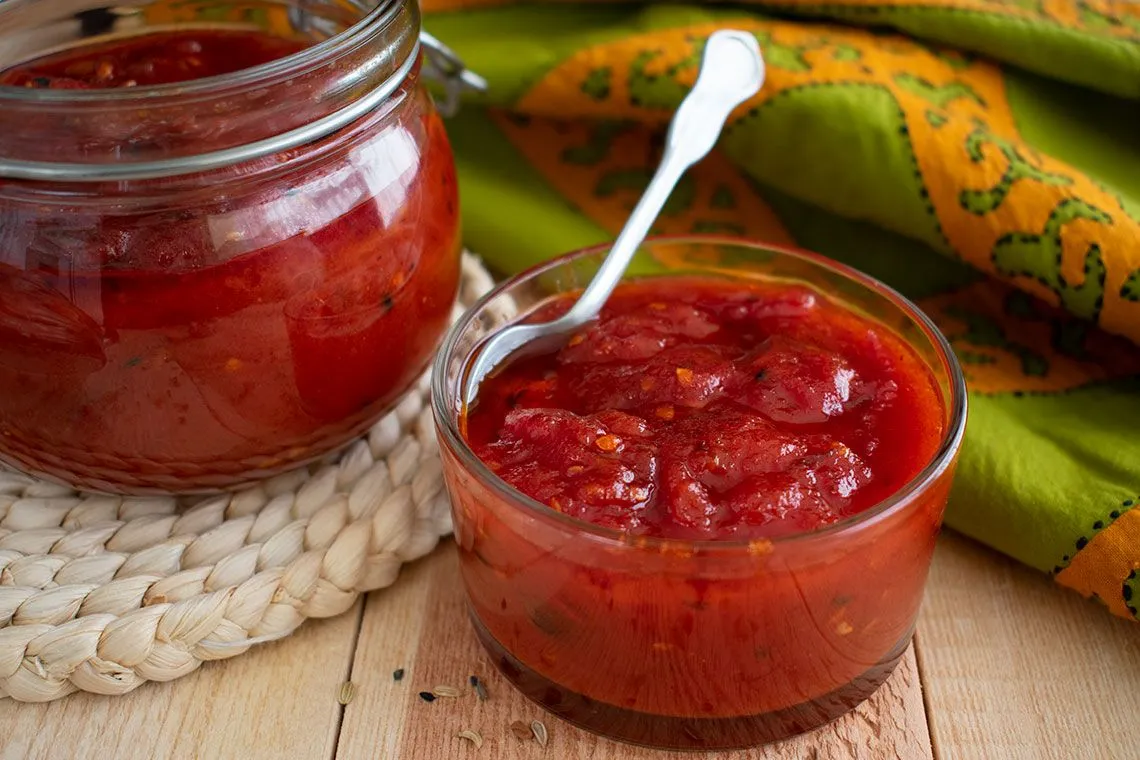
Never underestimate the importance of achar and chutney in Nepali cuisine. These condiments aren't afterthoughts; they're essential components that complete the meal.
Achar comes in countless varieties like mango, radish, chili, and each with its own spice blend and character. That sharp, tangy kick balances rich curries and adds excitement to simple rice.
Chutneys bring different dimensions. Tomato achar adds spicy sweetness, sesame seed chutney provides nutty richness, and fresh herb chutneys like cilantro or mint offer cooling refreshment against spicy dishes.
Lapsi candy, made from hog plum, delivers sweet-sour complexity that's uniquely Nepali. These condiments showcase creativity and ensure every meal offers multiple flavor experiences on one plate.
Nepali desserts might be simple, but they're absolutely satisfying. Juju Dhau, the "king curd" from Bhaktapur, is creamy, rich yogurt that's legendary for good reason. It's thick, slightly sweet, and completely addictive.
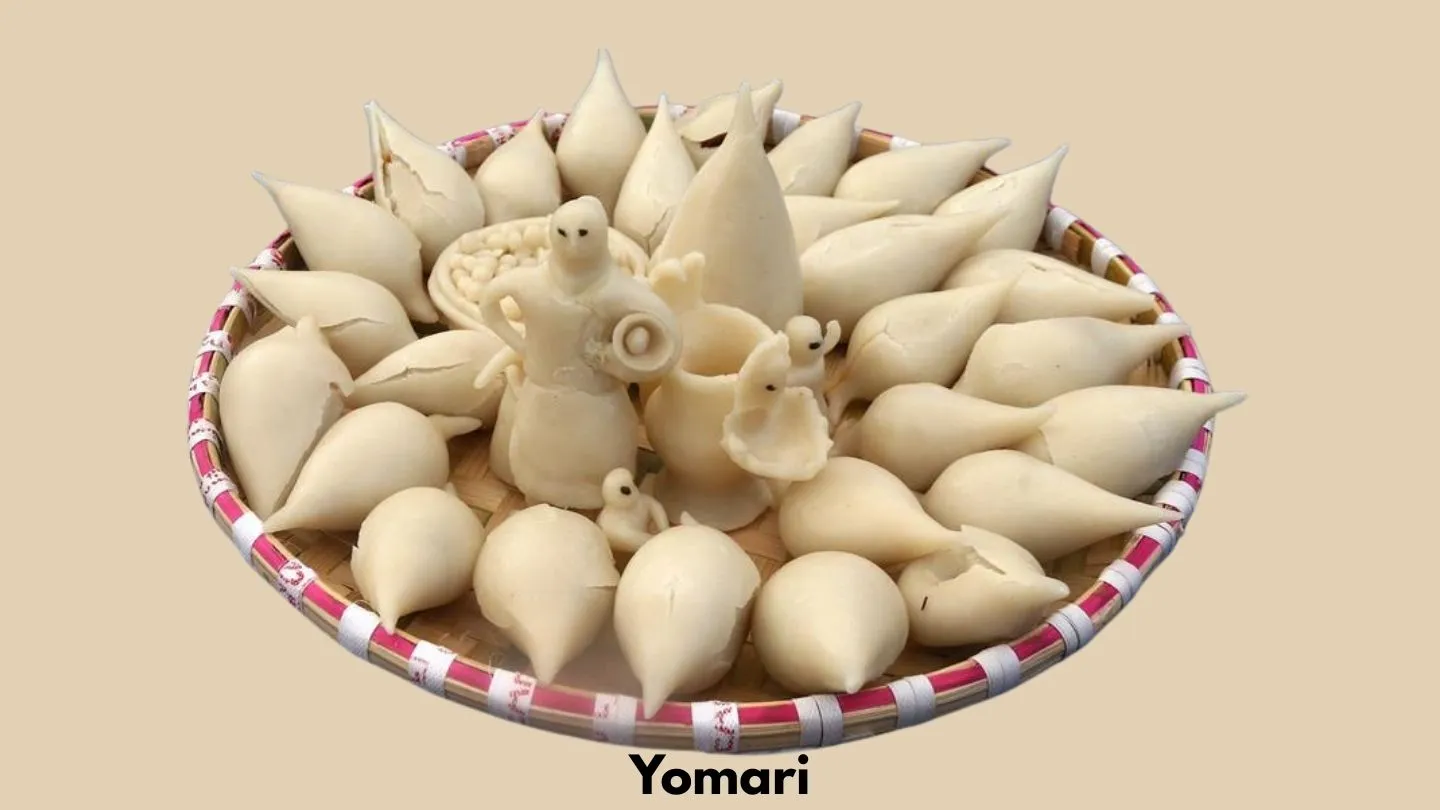
Yomari offers something different as it is rice flour dumplings with unique shapes, filled with sweet molasses or sesame. They're especially popular during festivals, carrying cultural significance along with great taste.
Other favorites include:
These desserts aren't about complexity; they're about quality ingredients and time-tested techniques creating memorable sweet experiences.
Tea dominates Nepali beverage culture. Masala chiya is a spiced tea with cardamom, ginger, and milk, and it is the default offering when you visit someone's home. It's warming, aromatic, and brings people together.
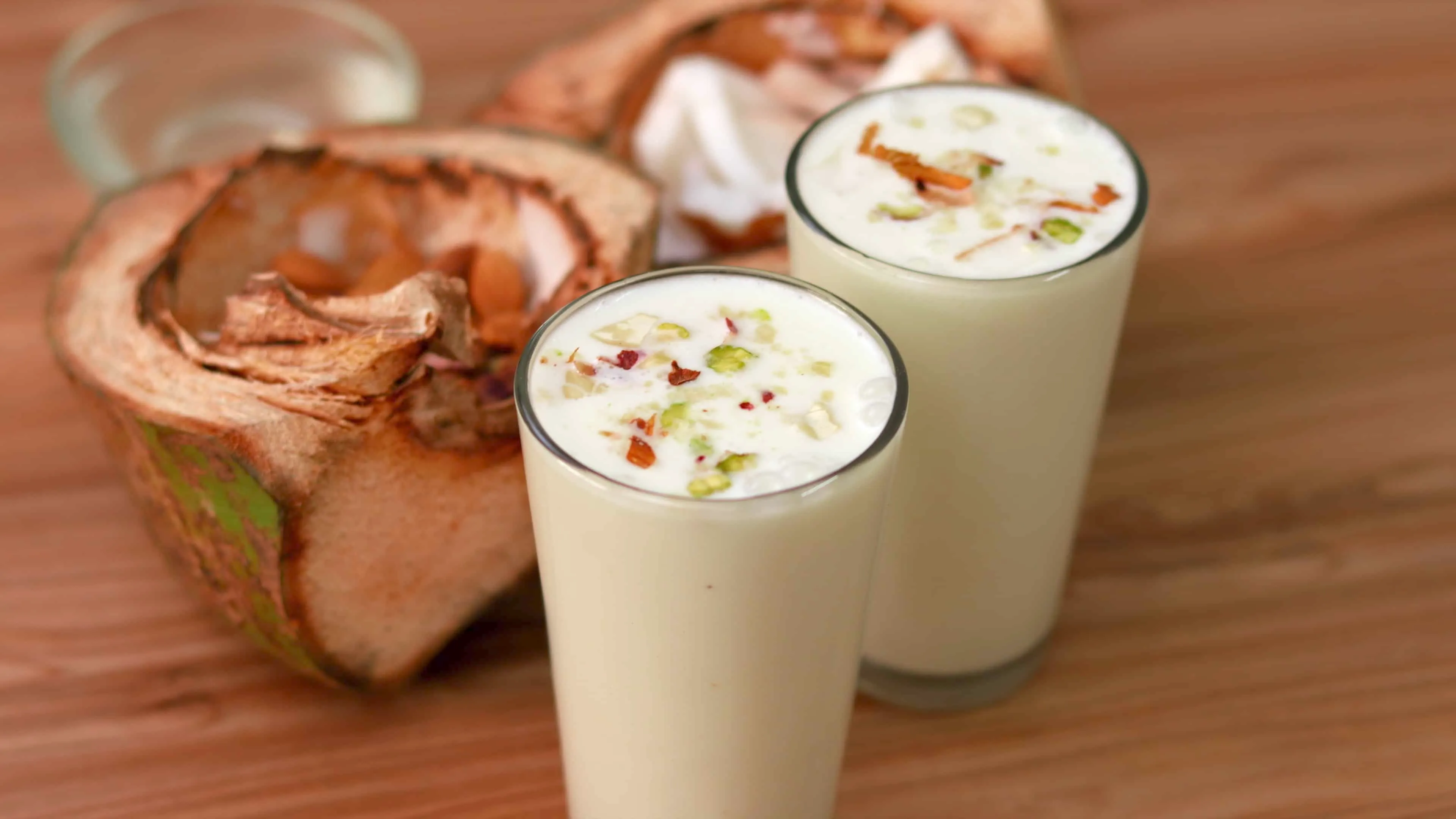
Lassi, that yogurt-based drink, offers cooling refreshment. Sweet or salted, it's perfect for hot days or alongside spicy meals.
Regional specialties tell their own stories. Butter tea in the mountains is rich and sustaining, perfect for high-altitude life. Rakshi, traditional rice alcohol, packs a punch and flows freely during celebrations. Tongba, fermented millet drink, offers warm, nutty flavors that grow on you.
These drinks aren't just beverages; they're part of the social fabric, lubricating conversations and marking special moments.
Want to cook Nepali food at home? It's absolutely doable. Start with quality ingredients the better your spices and rice, the better your results.
Dal Bhat is your entry point. Simmer lentils with spices until tender, and serve over rice with vegetable curries. It's forgiving and delicious.
momo require more effort but rewards with incredible satisfaction. Don't worry if your first batch isn't perfect; even Nepali grandmothers had to start somewhere.
Dhindo offers rustic simplicity. Mix flour into boiling water, stir vigorously, and serve with dal and pickles.
Branch out to Aloo Tama for that bamboo shoot experience, or make Thukpa when you want something warming. Add Gundruk to explore fermented flavors.
Cooking these dishes connects you to Nepali culture in a tangible way. Your kitchen fills with those aromatic spices, and suddenly you're transported to Kathmandu markets and mountain villages. Pretty magical, really.
Understanding dining customs enriches your experience. Eating with your hands isn't just acceptable, as it's traditional and adds to the enjoyment. In family settings, it creates intimacy and connection.
Meals are communal affairs. Multiple dishes shared among everyone encourage conversation and togetherness. Some customs have spiritual dimensions, like offering food to deities before eating.
Guests get VIP treatment because “Guest is God” is the belief of Nepali homes. You'll be served first and encouraged to eat generously. This isn't just politeness; it's a core value, and taking care of guests is taking care of the community.
Embrace these customs. They're not random rules; they're expressions of values that have sustained communities for generations.
Nepal offers food experiences at every level. Bustling markets overflow with fresh produce and local snacks, providing sensory overload in the best way. The energy, the colors, the smells, it's intoxicating.
Restaurants range from simple local spots to upscale establishments. Both have merit. Simple places often serve the most authentic food, prepared the way families make it at home. Fancier restaurants offer creative interpretations and comfortable settings.
Street food stalls are where magic happens. Yes, choose vendors carefully (busy stalls with high turnover are usually safe bets), but don't avoid them completely. Some of the best food I've ever had came from small carts and hole-in-the-wall spots.
Each setting offers something unique:
Mix it up. Eat at nice restaurants, but also grab momo from that busy street vendor. Visit markets early in the morning. Each experience adds another layer to your understanding of Nepali food culture.
Festivals in Nepal are food festivals, really. Dashain and Tihar, the two biggest celebrations, revolve around elaborate feasts that families spend days preparing.
The Newar community takes festival food to another level. Their feasts showcase the full range of their food and culinary heritage, like yomari, chatamari, and countless other dishes, each carrying symbolic meaning and connecting people to their ancestors.
Typical festival foods include Sel Roti (naturally), special goat meat preparations, and various curries made with extra care and premium ingredients. These aren't everyday meals; they're celebrations of abundance, tradition, and community.
Participating in festival meals is the best time in Nepal, if you're lucky enough to be invited, because it offers profound cultural insight. Food becomes the medium through which tradition passes to the next generation, where family bonds strengthen, and where spiritual and social life intersect.
Planning to eat your way through Nepal? Food culture is also a fascinating fact about Nepal, and whatever you have planned is a smart choice. Here's how to make the most of it
Go local first. Small, family-run places usually serve the most authentic food. Don't be shy about asking locals where they eat, and they know the good spots.
Street food is essential, but be smart. Choose busy vendors (high turnover means fresh food), watch how they handle food, and trust your instincts. If something doesn't look right, there's always another vendor nearby.
Stay hydrated, especially at higher altitudes. Enjoy chiya tea, as it's delicious and helps with acclimatization. In Nepal, they don’t greet you with just “Namaste” but also with a warm tea. Don't drink tap water; stick to bottled or filtered water.
Be adventurous but know your limits. If you're not used to spicy food, start mild and work your way up. Most places will adjust the spice level if you ask.
Ask questions. Nepali people are incredibly friendly and love sharing their food culture. Want to know what's in a dish? How is it made? Just ask. Most people will happily explain, and you might even get invited to someone's home for a meal.
Pace yourself. With so much to try, it's tempting to overdo it. But food coma is real, and you want to enjoy each experience rather than just check boxes.
After years of exploring Nepali cuisine, I keep coming back to this: it's not just about what's on the plate. It's about the hands that prepared it, the traditions behind it, and the people you share it with.
Every dish tells a story of mountain resilience, valley abundance, cultural fusion, and generous hospitality. The spices that warm you on cold nights, the communal thalis that bring families together, the street snacks that fuel daily life they're all threads in Nepal's cultural fabric.
Whether you're sampling street food in Kathmandu, sitting down to Dal Bhat in a mountain village, or recreating these flavors in your own kitchen, you're participating in something bigger than a meal. You're connecting with centuries of tradition, with communities that have preserved their culinary heritage while adapting to change.
So here's my advice: approach Nepali food with curiosity and respect. Try things that seem unfamiliar. Eat with your hands at least once. Accept that extra help when offered. Ask questions. Share meals with locals if you get the chance.
The flavors will amaze you, the perfectly balanced spices, the fresh ingredients, the creative combinations. But what will really stay with you is the warmth, the connection, and the feeling of being welcomed into something special.
That's the real gift of Nepali cuisine. It feeds your body, sure, but it also feeds your spirit. And in today's world, we could all use a little more of that.
Ready to start your Nepali food journey? Begin with Dal Bhat, master those momo, and let your taste buds guide you through the rest. Trust me, it's an adventure worth taking.
The traditional food of Nepal includes Dal Bhat (rice with lentil soup), Dhindo (thick buckwheat or millet porridge), and Gundruk (fermented leafy greens), all staple dishes reflecting Nepal’s diverse regions and culture.
Nepalese cuisine is unique for its balance of flavors and nutrition, reliance on local, seasonal ingredients that are locally sourced or available in the kitchen garden, and traditional foods like dal bhat, dhindo, and fermented gundruk, shaped by Himalayan geography and a blend of Indian and Tibetan influences.
Most Nepalese eat Dal Bhat daily, a simple, nutritious meal of rice, lentil soup, seasonal vegetables, pickles, and sometimes meat or curry. The Dal Bhat is the most eaten and staple food in every Nepali household.
Momo is popular in Nepal because it is tasty, affordable, and widely available, influenced by Tibetan cuisine and loved as a quick street food and comfort meal across the country. Momo has been part of Nepalese cuisine and culture in family gatherings.
Yes, Nepali food is different from Indian food as it uses milder spices, focuses on simple, wholesome meals like dal bhat and dhindo, and includes Himalayan and Tibetan influences. It is often considered healthier due to its balanced ingredients and lighter cooking style.
The most popular street food in Nepal includes momo (dumplings), panipuri (crispy filled balls with spicy water), chatpate (spicy puffed rice), sekuwa (grilled meat skewers), laphing(cold flat noodles made from starch extract), and many other flavorful snacks enjoyed across the country.