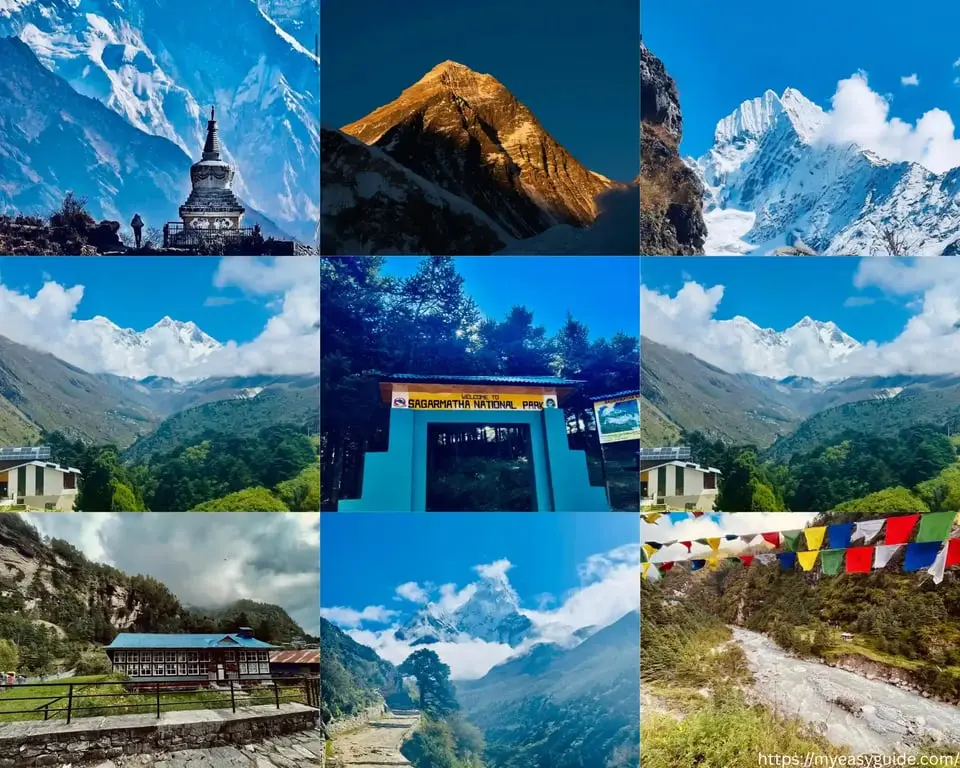
What feels like standing at the base of the world's highest peak, I felt my breath catch, not just from the thin air at 5,364 meters, but from the magnificence and stunning views of the mountains surrounding me. This is Sagarmatha National Park, where the Himalayas don't just touch the sky, they define it. It looks like a black and white kingdom with black mountains with white snow and ice on them.
Trekking in Sagarmatha National Park is a dream for many adventure seekers because people chase their answers to “Is Mount Everest in Nepal?”. This UNESCO World Heritage Site offers breathtaking views and thrilling experiences. Sagarmatha National Park is a haven for nature lovers and home to the iconic Mount Everest, the world’s highest peak. Its diverse landscapes include towering peaks, deep valleys, and lush forests. The park's rich biodiversity is a major draw for trekkers.
The park's location is in the Solu-Khumbu district of Nepal. It is approximately 135 kilometers northeast of Kathmandu. This makes it accessible yet remote enough to offer solitude.
Trekking in Nepal is synonymous with exploring Sagarmatha National Park. The park's trails are famous for their stunning vistas and cultural encounters. Trekkers can immerse themselves in the unique Sherpa culture.
You're walking through ancient rhododendron forests that explode with crimson blooms on lower altitudes each spring, prayer flags snap in the wind carrying mantras across glacial valleys, and ahead, Sagarmatha Mountain (Mount Everest) pierces the cobalt sky at 8,848 meters. This isn't just another hike; it's a pilgrimage that transforms everyone who undertakes it.
The beauty of the park and its heritage make it a must-visit for trekkers, with sustainable trekking practices encouraged in the park. The conservation efforts of the national park aim to protect the unique landscapes of the region. Trekkers are urged to respect the environment and the local customs.
The Sagarmatha National Park offers a sense of adventure and a place where trekkers can connect with nature, and the experience is both humbling and exhilarating. The Sagarmatha National Park is a trekker’s paradise with its majestic peaks and vibrant culture captivating everyone who wants to visit. It falls within the top base camp treks in Nepal as Everest Base Camp is also a part of Sagarmatha National Park.
The park also promises unforgettable memories and breathtaking views for everyone who chooses to answer its calling. Embark on a journey to Sagarmatha National Park and discover the beauty and adventure of a trek that will not just inspire you but also challenge you.
The Everest Base Camp trek is a highlight for many visitors and among the top 10 base camp treks in Nepal. It is one of the most popular routes in the park, where the journey offers a sense of achievement and adventure. Sagarmatha National Park trekking requires preparation, where trekkers should be ready for high-altitude conditions. Proper gear and acclimatization are essential for a safe experience, and the trail caters to all levels of trekkers.
Whether you are just a beginner or an experienced trekker, this is a route for everyone, with each trail offering its own unique challenges and rewards. During the Everest Base Camp Trek, Sagarmatha National Park is more than just a trekking destination and a place of cultural and natural significance.
Sagarmatha National Park is a treasure trove for explorers. It spans an impressive area of 1,148 square kilometers. The park is a sanctuary for both adventure and nature enthusiasts.
This national park is home to the towering Mount Everest. Known locally as Sagarmatha, it is the highest peak in the world. Trekkers can witness its grandeur from various vantage points.
The park's diverse ecosystems support an array of wildlife. The snow leopard, red panda, and Himalayan tahr roam its landscapes. Birdwatchers can also delight in spotting various avian species.
Trekkers visiting Sagarmatha National Park are in for a cultural treat. The Sherpa people, native to the region, offer cultural insights. Their traditional practices and warm hospitality enrich the trekking experience.
Sagarmatha National Park's location in the Himalayas presents stunning vistas. The elevation ranges from 2,845 meters to 8,848 meters. These dramatic altitudes offer diverse trekking challenges.
Visitors will traverse through different terrains as they hike. They encounter glaciers, alpine meadows, and dense rhododendron forests. Each step in the park reveals a new layer of its natural beauty.
Protection of the park's environment is a high priority. Sustainable trekking is encouraged to preserve its unique landscapes. This approach ensures that future generations can enjoy its beauty.
Every trek in Sagarmatha National Park offers a mix of thrills and awe. The combination of natural wonders and cultural richness creates lasting memories. It's a place where adventure meets heritage at every turn.
If you’re wondering about the Sagarmatha National Park location, here’s the simple answer:
Sagarmatha National Park lies in the Solu-Khumbu District of northeastern Nepal, about 135 kilometers northeast of Kathmandu. Though relatively close on the map, reaching it feels like stepping into another world, wild, remote, and incredibly raw.
This region is home to the Khumbu Valley, the legendary gateway to Everest. Despite its remoteness, it is surprisingly accessible and well-equipped for trekkers from all over the globe.
Trekking through this park means:
Sagarmatha National Park is in the Solu-Khumbu district of northeastern Nepal, approximately 135 kilometers from Kathmandu. Despite its remote setting, the park remains accessible through different routesIt is located about 135 kilometers northeast of Kathmandu. This proximity to the capital makes it accessible for global adventurers.
Reaching the park involves a journey filled with excitement. There are different travel options depending on your preference. Each offers unique experiences on the way to the park.
The most popular way is to fly to Lukla, the gateway to the park. This short flight offers breathtaking views of the mountains as it sets the tone for the thrilling adventure ahead.
For those who enjoy a classic adventure, the Jiri Route is ideal. This traditional route allows trekkers to soak up the landscape gradually. It provides a deeper connection with the local terrain and communities.
An alternative entry is by helicopter, offering a stunning aerial view. This option is perfect for those short on time yet seeking beauty. It showcases the grandeur of the Himalayas from above.
Choosing the right entryway can enhance your trekking journey. Whether you are taking a flight, driving, or flying in a helicopter, each path is unique as every single path offers a unique start to your trek through Nepal's majestic mountains.
Flying to Lukla is a popular choice for trekkers. The airport in Lukla is dubbed one of the most thrilling in the world. Its short runway is surrounded by towering peaks. The flight from Kathmandu to Lukla is brief yet unforgettable. It takes approximately 30 to 45 minutes. Passengers are treated to stunning views of the Himalayan range.
Upon arrival, trekkers sense the adventure ahead. Lukla is bustling with trekkers preparing for their mountain journeys. It serves as a vibrant starting point for your trek through Sagarmatha.
The classic Jiri Route appeals to those who prefer overland travel, as this route offers a more immersive introduction to Nepali life. It lets trekkers adjust to the environment before reaching high altitudes.
Embarking on a journey via the Jiri Route adds days to the trek. Trekkers will pass through beautiful countryside and charming villages. This gradual ascent is appreciated for its scenic views.
This route is not only about the destination but the journey itself. Trekkers gain experiences that enrich their adventure. The Jiri Route offers a unique perspective into Nepal’s heart.
Choosing a helicopter ride provides a grand entry into Sagarmatha. It’s an efficient way to reach the park while savoring aerial views. Helicopters can land at several points, offering flexibility for trekkers.
This option is perfect for those with time constraints. It allows adventurers to witness the Himalayan splendor instantly. Plus, a helicopter ride is a thrilling beginning to a trekking adventure. Trekking in Sagarmatha National Park is the ultimate dream for adventurers, nature lovers, photographers, and spiritual seekers. A UNESCO World Heritage Site, the park is a stunning blend of towering peaks, sacred monasteries, ancient Sherpa villages, deep glacial valleys, and diverse ecosystems.
Sagarmatha National Park boasts a rich historical background. Established in 1976, it was created to protect the biodiversity and stunning landscapes. This initiative marked a significant step in conservation in Nepal.
In 1979, the park was recognized as a UNESCO World Heritage Site. This status highlighted its global importance due to its natural wonders and cultural significance. The recognition helped bolster conservation efforts in the region.
The park's inclusion as a World Heritage Site affirms its value. It demonstrates the commitment to preserving its fragile ecosystems. This commitment ensures that future generations can experience its beauty.
Over the years, efforts have focused on sustainable tourism. Balancing tourist activities with conservation has been crucial. This approach helps protect its landscapes and wildlife while providing economic benefits.
Sagarmatha National Park is famed for its spectacular peaks. At the heart stands Sagarmatha Mountain, known globally as Mount Everest. Reaching 8,848 meters, it is Earth's highest point.
This region forms part of the mighty Himalayas, characterized by its extensive mountain range. Besides Everest, the park showcases other towering summits. Peaks like Lhotse, Nuptse, and Ama Dablam are striking sights.
These peaks offer breathtaking views from every angle. Climbing or trekking near these giants is a bucket-list adventure. The Himalayas' dramatic landscapes inspire awe among all visitors.
Beyond their physical beauty, the mountains hold cultural significance. For the Sherpa people, these peaks are sacred. They embody spiritual beliefs and are revered with deep respect.
The interplay of natural majesty and cultural depth defines the region. It enriches trekking experiences with both visual splendor and cultural immersion. Such elements make Sagarmatha National Park more than just a trekking destination.
In essence, the park's majestic peaks are central to its allure. They draw adventurers, inspire explorers, and anchor the cultural identity of the Himalayas.
Sagarmatha National Park is a haven of rich biodiversity. The park is home to a variety of ecosystems ranging from lush forests to alpine meadows. Its unique flora and fauna thrive in the harsh conditions of high altitudes.
The park's lower regions are adorned with dense rhododendron forests. These vibrant blooms are joined by birch and juniper trees. Their foliage creates a multicolored spectacle during the warmer months.
As one ascends, the vegetation thins, giving way to alpine meadows. These areas are interspersed with hardy shrubs and mosses. They provide an essential habitat for high-altitude wildlife.
Sagarmatha Park is a sanctuary for several rare species. It shelters the elusive snow leopard, a symbol of high-altitude wilderness. The majestic Himalayan tahr and the red panda also call this park home.
Birdwatchers can delight in spotting vibrant pheasants and other avifauna. The park is part of the Sacred Himalayan Landscape, supporting a wide range of birdlife. These species thrive amidst the changing seasons and altitudes.
Conserving this rich biodiversity is paramount. Trekkers can witness these creatures in their natural habitats. Such encounters highlight the ecological importance of Sagarmatha National Park and its commitment to preserving these extraordinary ecosystems for future generations.
The Sherpas are an integral part of Sagarmatha National Park. Known for their endurance and expertise in mountaineering, they offer a welcoming presence to trekkers.
Their culture is deeply rooted in Buddhism. Colorful prayer flags and ornate stupas adorn the landscapes of Sagarmatha. These symbols reflect the spiritual beliefs of the Sherpa people.
Trekking through the park offers a unique glimpse into Sherpa life. Visitors often encounter hospitable villagers who are eager to share their traditions. This cultural exchange enriches the trekking experience immensely.
The Sherpa communities maintain a lifestyle harmonized with nature. Their knowledge of the rugged terrain is unparalleled. This expertise ensures the safety and success of many trekking groups.
Namche Bazaar serves as a cultural and economic hub. Here, trekkers can explore local markets offering traditional crafts and goods. This bustling village connects various trekking routes and is the heart of Sherpa culture.
Community-driven initiatives focus on sustainable tourism. These efforts aim to balance tourism growth with cultural preservation. Supporting local economies helps protect the unique heritage and traditions of the Sherpa people.
Engaging with local communities offers insight into their daily lives. Trekkers leave not only with photographs but also with cherished experiences. The warmth and resilience of the Sherpa people make Sagarmatha National Park a vibrant cultural destination.
Trekking in Sagarmatha National Park requires several permits. These permits are essential for both park entry and safety.
A key requirement is the Sagarmatha National Park Entry Permit. This document grants access to the protected area and funds conservation efforts. Obtaining this permit is a prerequisite for all trekkers.
Another crucial document is the TIMS card. The Trekker’s Information Management System card helps track trekkers and ensure their safety. It's available in Kathmandu and at the park’s entry points.
The process for getting permits is straightforward. Trekkers should carry passport-sized photos and a valid ID. Fees collected go towards maintaining the park’s natural beauty and services.
Strict regulations are in place to protect the environment.
Littering and unauthorized camping are prohibited. Adhering to these rules ensures the preservation of Sagarmatha National Park. Trekkers should be aware of the park's guidelines to enjoy a seamless adventure. Following regulations not only protects the park but also enhances the trekking experience.
So you're thinking about visiting Sagarmatha National Park? Great choice! Home to Mount Everest and some of the most spectacular mountain scenery on Earth, timing your visit right can make all the difference. Let me break down what each season offers.
This is one of two prime times to visit. After the harsh cold of winter subsides, the park bursts into an explosion of color. Vibrant red and pink rhododendrons blossom profusely along the trails, bringing a captivating beauty to the park during this time. Daytime high temperatures are between 15 and 25 degrees Celsius.
Nighttime temperatures can drop into the low 10s, but the nights are generally clear after a daytime rain shower, allowing for incredible views of Everest and surrounding peaks. As this time frame is when the majority of expeditions on Everest take place, there will be a lively energy at base camp.
The end of the monsoon season indicates the period of the year when many trekking enthusiasts believe it to be the best time to trek an area due to the pristine,p icturesque views that accompany this time frame.
It has just occurred as well as most likely will be gone by now, being the most perfect days with many amazing photo opportunities plus perfect weather conditions to observe all those lovely mountains.
The temperatures will be nice and warm on most days after lunch with clear skies; however you should have your heavy layers for evening temps, especially at an altitude of -10°C. There will also be many tourists trekking within the are,a so trails and teahouses will most likely be busy.
If you don't mind the cold and prefer solitude, winter trekking is possible. Temperatures plummet to -10 to -15°C at night, and some higher passes may be closed due to snow. However, the skies remain clear, and you'll have the trails largely to yourself. Just make sure you're properly equipped with quality cold-weather gear. This is not recommended to beginners because the situations may be harsh.
I'd recommend avoiding this period unless you have specific reasons to visit. Heavy rainfall makes trails slippery and potentially dangerous, clouds obscure the mountain views, and leeches become an issue at lower elevations. Some lodges close during this time, and flights to Lukla are frequently delayed or cancelled.
The bottom line? Plan your trip for either spring or autumn, and you'll experience Sagarmatha at its finest!
Sagarmatha National Park offers several exhilarating trekking routes. Each trek has unique features, attracting trekkers from around the globe. Whether you're a seasoned hiker or a novice, there's something for everyone here.
The Everest Base Camp trek is the most renowned route. It's a challenging yet rewarding journey that leaves a lasting impression. Other popular treks include the Gokyo Lakes and the Three Passes Trek.
The park's trails provide a mix of adventure and natural beauty. Each route offers stunning vistas and cultural encounters. Discovering these paths in the park promises an unforgettable trekking experience.
The Everest Base Camp trek stands out as a bucket-list adventure. This iconic trek offers breathtaking views and cultural richness. The journey begins with a thrilling flight to Lukla, setting the adventure in motion.
Trekkers pass through Sherpa villages, getting a glimpse of their way of life. The trail leads you through lush forests, glacial rivers, and unique landscapes. Each step brings new vistas of towering Himalayan peaks.
Reaching Everest Base Camp is a significant achievement. The base camp offers a surreal close-up of the grand Everest. Here, trekkers feel the humbling presence of the world's highest peak.
Acclimatization is crucial due to high altitudes. Proper preparation ensures a safe and enjoyable trek. Altitude sickness can affect anyone, regardless of experience levels.
The Everest Base Camp trek demands physical endurance and mental resilience. However, the spectacular views and cultural encounters make it worthwhile. This trek is more than just a hike; it's a life-changing adventure.
The Gokyo Lakes trek is a serene alternative to Everest Base Camp, which is famous for its turquoise lakes. This trek rewards you with stunning vistas and glacial lakes. Starting at Lukla, the trek offers breathtaking views from the outset.
Trekkers journey through picturesque valleys dotted with unique villages and the alpine landscapes. The highlight is the pristine Gokyo Lakes, noted for their mesmerizing hues. Ascending Gokyo Ri provides a spectacular panoramic view.
The trek is less crowded, offering tranquility amidst nature. Ideal for those seeking solitude and extraordinary Himalayan beauty. The Gokyo Lakes trek epitomizes harmony between adventure and peace.
Exploring the turquoise lakes is a breathtaking experience. The Gokyo region's beauty lies in its raw, untouched landscapes. Trekkers engage with local cultures while enjoying nature's splendor.
Challenges include high altitudes and variable weather conditions. Adequate preparation and acclimatization are vital. This trek combines adventure, culture, and the joy of exploration.
For seasoned trekkers, the Three Passes Trek presents the ultimate challenge. This trek covers the three spectacular high-altitude passes. Renjo La, Cho La, and Kongma La provide unrivaled views.
The trek demands exceptional endurance and preparation. Trekkers encounter varied terrains, from lush valleys to barren peaks. It’s a comprehensive exploration of the Khumbu region.
The route takes you to both Everest Base Camp and Gokyo Lakes. Combining the highlights of two famous treks is unparalleled. Trekkers experience a blend of natural beauty and cultural insight.
Acclimatization is critical due to the challenging high passes. The trek tests your limits, but the rewards are worth the effort. It offers an in-depth exploration of Sagarmatha Park’s diversity.
Embarking on the Three Passes Trek guarantees an epic adventure. It challenges the spirit and fortitude of every trekker. This journey is a pilgrimage through the heart of the Himalayas.
Beyond the main treks, Sagarmatha offers other captivating hikes. Each trail offers unique experiences and scenic vistas. These hikes are perfect for those seeking less-crowded paths.
The Tengboche Trek is a short trek, yet culturally rich. Ideal for beginners or trekkers with limited time. It offers stunning views of Ama Dablam and visits to sacred monasteries.
Each trek unveils a different facet of the park’s charm. These routes offer tranquility and an escape into nature. Venture into these quieter trails for a unique trekking experience.
Planning your trekking itinerary in Sagarmatha National Park can seem daunting. However, with thoughtful preparation, it becomes a rewarding experience. Each itinerary offers its own charm and set of highlights.
For a classic experience, the Everest Base Camp trek is ideal. Typically spanning 12 to 14 days, this trek combines adventure with cultural exploration. You'll encounter breathtaking landscapes and warm hospitality from the Sherpa people.
If you're seeking tranquility, consider the Gokyo Lakes itinerary. This trek usually lasts around 12 to 15 days, taking you through serene valleys and past shimmering lakes. Ascend Gokyo Ri for awe-inspiring views of the Himalayas.
For seasoned adventurers, the Three Passes trek is a perfect fit. With a duration of approximately 17 to 21 days, it navigates through diverse terrains. Trekkers enjoy an in-depth exploration of the Khumbu region’s majestic passes.
Sample Itinerary Overview:
Shorter treks, such as the Tengboche Trek, offer a glimpse of the park’s highlights. Typically 6 to 8 days long, this trek is suitable for time-constrained visitors. It provides cultural insights and breathtaking mountain vistas.
Customizing your itinerary can enhance your trekking experience. Consider personal interests, physical condition, and available time. Tailoring your journey ensures a fulfilling and memorable adventure.
Choosing the right itinerary is crucial for an enjoyable trek. Each route offers unique experiences and insights. Prepare well, adapt to the journey, and embrace the park's natural beauty.
Trekking at high altitudes in Sagarmatha National Park requires proper acclimatization. This process helps your body adjust to lower oxygen levels found at higher elevations. It's crucial to keep altitude sickness at bay and to ensure safety.
Acute Mountain Sickness (AMS) can affect anyone trekking above 2,500 meters. Symptoms include headaches, nausea, dizziness, and fatigue. It is important to listen to your body and descend if symptoms persist or worsen.
Planning rest days during your trek allows for gradual acclimatization. Many itineraries include scheduled days for rest and light activity. Such days help your body adapt and can prevent serious altitude-related issues.
Proper nutrition also plays a key role in high-altitude trekking. Consume a balanced diet rich in carbohydrates for energy. This, combined with adequate rest and acclimatization days, helps maintain your health and well-being.
Always prioritize safety over reaching a specific destination. Being informed and proactive is essential to enjoying a rewarding trekking experience in Sagarmatha National Park.
Proper packing is crucial for a successful trekking adventure in Sagarmatha National Park. Bringing the right gear ensures comfort and safety on rugged Himalayan trails. Start by selecting a durable backpack to carry essential items efficiently.
Layering your clothing is key due to variable weather conditions. Ensure you have thermal wear, fleece jackets, and a waterproof outer layer. This method helps regulate temperature and protects against extreme weather changes.
Packing reliable trekking boots with good grip is vital for uneven terrains. Break them in before the trek to avoid blisters and discomfort. Pair them with moisture-wicking socks to keep your feet dry and blister-free.
Remember to include essentials such as sunscreen and a wide-brimmed hat for sun protection. Hydration is crucial at high altitudes, so carry water bottles and purification tablets. A first-aid kit with necessary medications and bandages is also important.
Ensuring that your packing list covers all essentials prevents unnecessary stress during your trek. Proper planning and packing provide peace of mind, allowing you to fully enjoy the stunning landscapes of Sagarmatha National Park.
Embarking on a trek in Sagarmatha National Park requires both physical and mental readiness. Training well in advance can enhance your endurance and stamina. Begin a regimen involving cardio, strength training, and daily walks to build your fitness level.
Altitude changes present significant challenges, so consider taking hikes at higher elevations before your trek. This helps your body acclimatize, reducing the risk of altitude sickness. Gradual exposure to increased altitude strengthens both your body and mind.
Equally important is mental preparation to tackle the trek's challenges. Engage in mindfulness or meditation practices to bolster mental resilience. Trekking can push you to your limits, so maintaining a positive mindset is crucial.
Listening to your body’s signals during training helps prevent over-exertion. Balance intense workouts with ample rest and recovery. This balanced approach ensures you're well-prepared and reduces the likelihood of injury.
Being prepared mentally and physically enhances your trekking experience. The joy of exploring the Himalayas relies on a solid foundation of preparation. A committed mindset and physical readiness make the adventure both rewarding and memorable.
Sagarmatha National Park offers a variety of accommodation options for trekkers. Teahouses and lodges are the most popular among those trekking in Nepal. These establishments provide basic yet comfortable lodging facilities, creating a cozy base after a day of adventure.
Teahouses are plentiful along the trek routes, offering a warm place to stay and rejuvenate. Lodges often come equipped with simple amenities, such as private rooms and shared bath facilities. The hospitality from local hosts enriches the overall trekking experience in this region.
Cuisine in the region is influenced by local Sherpa traditions. Meals usually include staples like dal bhat, a lentil soup served with rice. You'll also find momos, Tibetan-style dumplings, which are a favorite among trekkers.
Dining in teahouses allows trekkers to immerse themselves in local culture. Traditional dishes are crafted with fresh, local ingredients, offering a genuine taste of the Himalayan lifestyle. This culinary experience adds a layer of authenticity to the trekking adventure.
Staying in teahouses and enjoying local cuisine is an integral part of the trekking journey. It provides not just a refuge from the elements, but a deeper connection with the local culture and environment.
Sustainable trekking is crucial in preserving the pristine beauty of Sagarmatha National Park. The park is committed to conservation efforts, which aim to protect its unique ecosystems and biodiversity. These efforts ensure that future generations can continue to enjoy this natural wonder.
Trekkers are encouraged to adopt eco-friendly practices while exploring the park. It's essential to minimize environmental impact by adhering to the "leave no trace" philosophy. This involves carrying out all waste, using biodegradable products, and respecting wildlife habitats.
By adopting sustainable practices, trekkers contribute to the protection of Sagarmatha's natural landscapes. These collective efforts are vital in maintaining the park's ecological and cultural integrity. Supporting conservation projects also helps local communities thrive, ensuring a balanced relationship between tourism and preservation.
Planning your trek in Sagarmatha National Park can ensure a safe and rewarding adventure. Preparation is vital due to high-altitude conditions and unpredictable weather. Begin by familiarizing yourself with the park's geography and cultural norms. Respecting local customs enhances your experience and helps maintain positive interactions with the Sherpa communities.
Packing wisely is also key. Ensure your gear suits cold temperatures and varied terrain. Quality hiking boots, layered clothing, and a reliable backpack are essential.
Quick Tips for a Successful Trek:
Timely preparation and awareness can greatly enhance your trekking journey. By following these essential tips, you ensure a memorable and safe experience in the enchanting Sagarmatha National Park.
What makes Sagarmatha National Park trekking extraordinary is not just the mountains. It’s the complete experience:
The park spans 1,148 square kilometers, offering astonishing diversity across extreme altitude ranges, from 2,845 meters to 8,848 meters.
Few places on Earth offer such dramatic contrasts in terrain, climate, and culture within a single trekking region.
Sagarmatha National Park is a true paradise for trekkers. It combines breathtaking landscapes, cultural richness, and thrilling adventures. The presence of Sagarmatha Mountain, the majestic Everest, draws adventurers from around the globe.
The park's trails offer more than just a physical challenge. They also provide cultural exchanges with the Sherpa community. This unique combination enriches the trekking experience.
Trekkers venture into a world of stunning peaks, diverse flora, and rare wildlife. Each step through this pristine environment is a step into a natural wonderland.
Whether you're a novice or a seasoned trekker, Sagarmatha National Park promises unforgettable experiences. Its blend of adventure and serenity makes it a must-visit for trekking enthusiasts seeking something special.
If you are searching for raw beauty, authentic culture, spiritual depth, and the ultimate Nepal trekking adventure, no place on Earth compares to Sagarmatha National Park.
The mountains are calling, and Sagarmatha is waiting.
Permits are mandatory for entering the park. You will need a Sagarmatha National Park entry permit, a TIMS Card, and a local permit, which is the Khumbu Pasang Lhamu Rural Municipality Permit. Obtain these in Kathmandu or on the way before and during your trek.
The ideal trekking seasons are pre-monsoon (March to May) and post-monsoon (September to November). These times offer favorable weather and clear mountain views.
Trekking here requires a good fitness level which requires you to be prepare with cardio workouts, strength training, and some altitude conditioning if possible.
Teahouses and lodges provide basic but comfortable accommodations. You'll enjoy hearty meals, often featuring traditional Nepali dishes.
Yes. Sagarmatha and Mount Everest are the same because while Everest is the English name, Sagarmatha is the Nepali name for Mount Everest, meaning the roof of the sky and goddess of the sky.