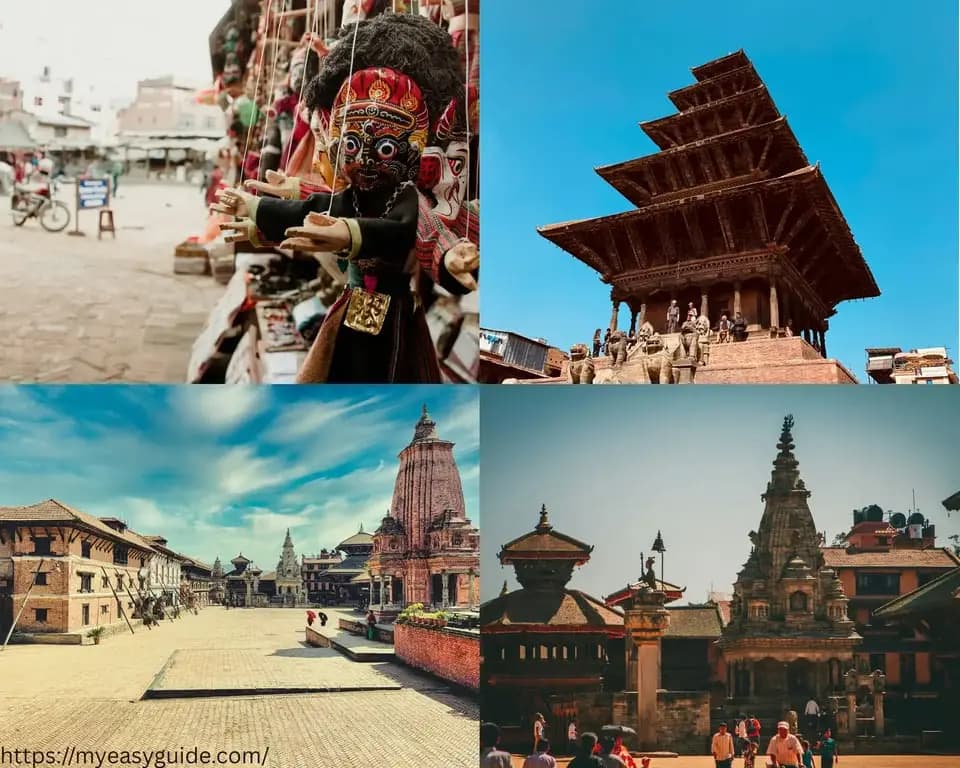
Nepal has been keeping some secrets, and one of them is Bhaktapur in the Kathmandu Valley. Bhaktapur feels like a secret that Nepal has been keeping, as this isn't just another city; it's a living, breathing time capsule where medieval charm meets everyday life in the most beautiful way possible.
The moment you step into Bhaktapur's narrow brick-paved streets, something shifts, and you understand why it is among the must-visit cities in Nepal. The modern world doesn't disappear completely, but it certainly takes a back seat. Ancient buildings lean in close, their intricately carved wooden windows watching over streets that have witnessed centuries of life unfold. Children play the same games their great-grandparents played. Elderly craftsmen practice trades passed down through countless generations. Time hasn't exactly stopped here; it just moves differently, more deliberately, with respect for what came before.
This is Newari culture at its finest, preserved not in museums but in the daily rhythm of life. The city wears its medieval heritage proudly, and somehow, miraculously, it all still works. People actually live in these ancient buildings. They worship in centuries-old temples. They gather in historic squares that have been community meeting points since before anyone can remember.
At the heart of it all sits Bhaktapur Durbar Square, a UNESCO World Heritage Site that absolutely earns its crown jewel status. This magnificent plaza, surrounded by palaces, temples, and shrines, is where Bhaktapur's soul truly shines. It's the kind of place that makes you stop, look around, and think, "I can't believe places like this still exist."
But Bhaktapur isn't just about looking at old buildings; it's about experiencing a living culture. Watch potters at Pottery Square shape clay using techniques unchanged for centuries. See master woodcarvers creating intricate pieces that rival anything in a museum. These aren't performances for tourists; this is simply how things are done here, the way they've always been done.
The city's temples offer something beyond architectural beauty as they provide genuine peace. Whether you're religious or not, there's something deeply calming about these sacred spaces where Hindu and Buddhist traditions blend seamlessly. Light filters through ancient doorways, incense drifts through courtyards, and you can actually hear yourself think.
And then there's the food. Oh, the food. Bhaktapur is famous throughout Nepal for its culinary traditions, especially the legendary Juju Dhau and the "King Curd" that's so creamy and delicious it'll ruin regular yogurt for you forever. The streets are filled with the aromas of traditional Newari dishes, street food sizzling on griddles, and sweets being prepared using recipes that are family secrets passed down for generations.
When festivals roll around, Bhaktapur absolutely explodes with energy. The usually peaceful streets transform into rivers of color, music, and celebration. These aren't shows put on for visitors, but they're genuine community celebrations where tradition comes roaring to life, reminding everyone why these customs have survived for so long.
Bhaktapur is special because it hasn't been frozen in time like a museum exhibit, nor has it abandoned its heritage for modern convenience. Instead, it's found that rare, magical balance, honoring the past while living fully in the present. It's a city that invites you not just to visit, but to slow down, look closer, and experience what it means when culture isn't just preserved, but truly lived.
Whether you're a history buff or a cultural explorer, Bhaktapur City, Nepal, promises an unforgettable journey.
Close your eyes and imagine walking through a city where every path whispers stories from 800 years ago. Now open them, because Bhaktapur is real, and it's waiting for you.
This isn't just another tourist destination, as Bhaktapur was once the proud capital of all Nepal, and somehow, miraculously, it refused to let go of its soul when the modern world came knocking. The medieval heart of this city still beats strong, and you can feel it the moment you step through its ancient gates.
As you wander down a narrow brick-paved street, you suddenly hear the rhythmic tapping of a craftsman's hammer. You turn the corner and find an elderly artisan hunched over an intricate wood carving, his tired hands moving with the same practiced grace his grandfather's hands once did. This is Bhaktapur, where tradition isn't something preserved in museums; it's simply the way people live.
The Newari people who call this city home haven't just maintained their culture, they're living it, breathing it, celebrating it every single day. When festival season arrives, the entire city transforms into a vibrant tapestry of color, music, and devotion. During Bisket Jatra, you'll see massive chariots being pulled through the streets by hundreds of shouting, laughing locals. At Gai Jatra, the "festival of cows," the city honors those who've passed away with a celebration so full of life it'll make your heart swell.
But it's not just the festivals. Walk through Bhaktapur's Durbar Square, and you'll find yourself surrounded by architectural poetry carved in wood and stone. Every temple, every palace, every doorway tells a different story. Look up, and you'll see intricate lattice windows so delicate they seem impossible. Notice how Hindu temples stand comfortably beside Buddhist stupas; this city has always understood that spirituality comes in many beautiful forms.
There's something magical about watching a potter at Pottery Square, his hands covered in clay, spinning vessel after vessel on a wheel that's probably older than your grandparents. Or stumbling upon a hidden courtyard where neighborhood kids play the same games their ancestors played centuries ago. This isn't a city pretending to be old; it genuinely is.
The temples and palaces aren't roped off or sterile. They're active, alive, used. You might see a grandmother offering prayers at a shrine that's been receiving prayers for 500 years. You'll hear temple bells ringing at dawn, just as they've rung every morning for generations. You'll smell incense wafting from doorways and taste traditional juju dhau, Bhaktapur's famous "king curd", made using recipes passed down through countless generations.
What makes Bhaktapur truly special isn't just what you see, it's what you feel. There's a gentleness here, a warmth in how strangers greet you on the street. The pace is slower, kinder. People have time to smile, time to chat, time to share their stories. In a world that's racing forward, Bhaktapur chose to honor where it came from, and somehow, that makes it more relevant than ever.
So when you visit Bhaktapur, don't just take photos of the beautiful buildings. Sit in a cafe and watch daily life unfold. Strike up a conversation with a shopkeeper. Get lost in the backstreets. Let the city reveal itself to you slowly, layer by layer, story by story. Because Bhaktapur isn't a place you simply visit, it's a place that invites you in, wraps you in its ancient warmth, and changes something in you before you leave.
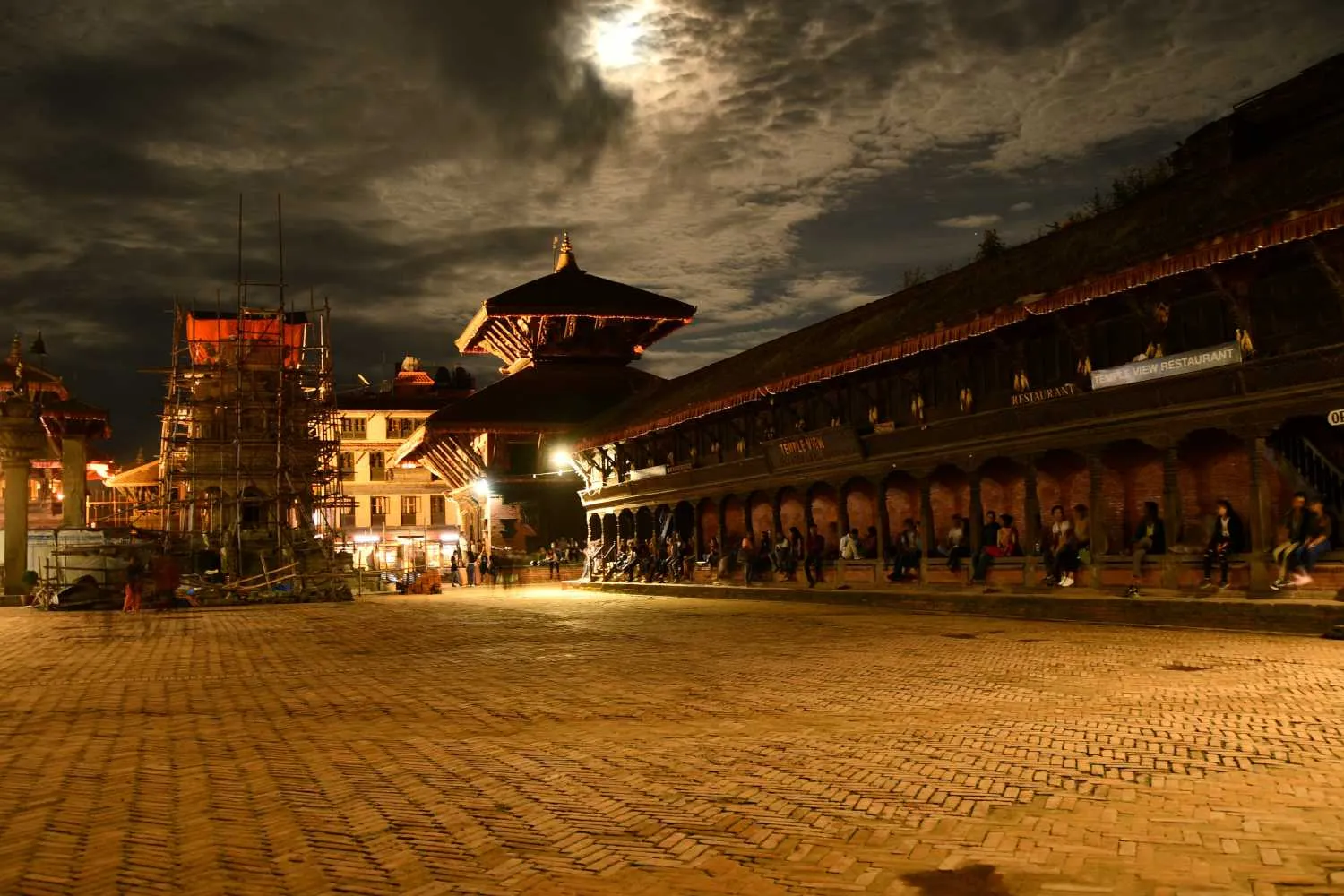
There's a moment that happens to almost every visitor who enters Bhaktapur Durbar Square for the first time. You pass through the entrance, and suddenly everything stops. The modern world fades away, and you're standing in what feels like a portal to another era.
Bhaktapur Durbar Square isn't just the geographical center of the city; it's the soul of everything Bhaktapur represents. This UNESCO World Heritage Site has been the stage for royal ceremonies, religious festivals, and daily life for over 800 years. The medieval architecture here is breathtaking, with each building telling its own story of the city's glorious past.
Key attractions in Bhaktapur Durbar Square include:
The Palace of 55 Windows is a standout feature. This masterpiece of Newari design captivates visitors with its detailed carvings. Its historical significance adds to the square's allure. Nearby, the Vatsala Temple draws attention with its majestic bell. Known as "The Taleju Bell," it's rung to mark the start of festivals. It stands as a testament to artistic and cultural expression.
A statue of King Bhupatindra Malla graces the center of the square. Perched on a stone pillar, it's a tribute to Bhaktapur's royal lineage. The king's life-size statue depicts his regal bearing.
Courtyards within Bhaktapur Durbar Square are hubs of activity. Taumadhi and Dattatraya squares host vibrant markets and festivals. These communal spaces add life and energy to the historic setting.
Visiting Bhaktapur Durbar Square is an enriching experience. It allows you to delve into a tapestry of art, culture, and history. This square is the beating heart of Bhaktapur City, showcasing its enduring legacy.
Overall, the square offers a magnificent glimpse into the past. The Bhaktapur attractions are perfectly preserved and splendidly maintained. Every corner of Bhaktapur Durbar Square has stories waiting to be told.
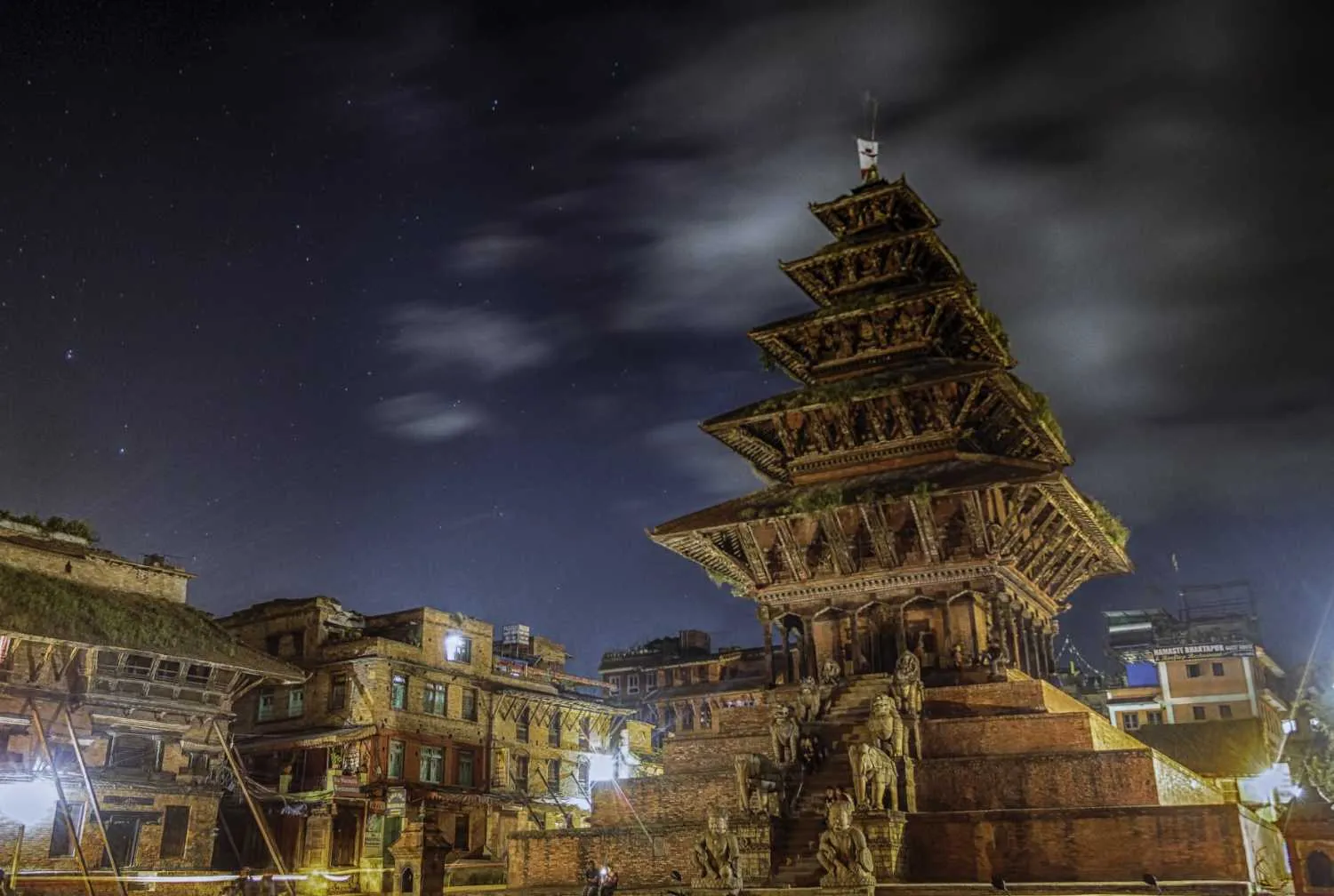
Do you know what it feels warm while you are in Bhaktapur? One thing is surely the Nyatapola Temple, which stands as an architectural marvel. This five-story pagoda is the tallest temple in Nepal. It dominates the skyline of Bhaktapur City, Nepal, with its grandeur. Built in 1702 during King Bhupatindra Malla's reign, it symbolizes strength. The temple name, "Nyatapola," translates to "five stories of stability." It's supported by intricately carved plinths and robust pillars.
As you ascend its stairways, statues of deities greet you. Each level of the temple has symbolic guardians. These include:
The temple's rooftop provides stunning views. Bhaktapur's skyline and the distant Himalayas unfold before your eyes. It's a breathtaking experience, combining spiritual and visual beauty.
Visitors are often struck by the harmony of design. The temple’s Newari style incorporates symbolic iconography. Its beauty is rivaled only by the serenity it exudes.
Nyatapola is not just an architectural wonder. It remains an active place of worship. Locals and visitors alike come to seek blessings and meditate. Overall, this temple is a must-see for anyone visiting Bhaktapur. Its magnificence and spiritual ambiance create lasting impressions. Nyatapola is a testament to the artistic prowess and cultural depth of Bhaktapur.
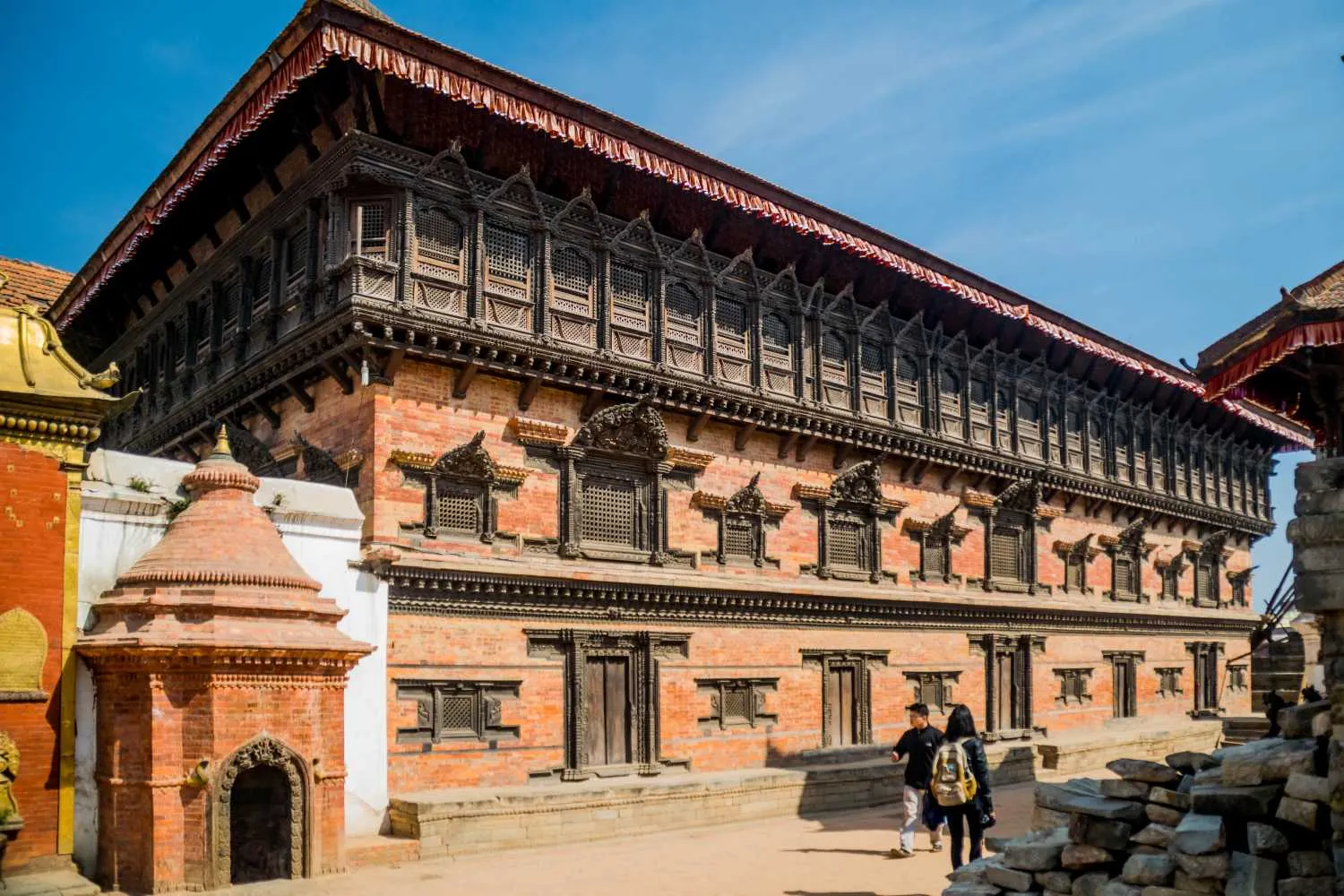
Imagine standing in front of a building where every single window is a work of art, not just decorative, but so intricately carved that you could spend minutes studying each one and still discover new details. That's exactly what the 55 Window Palace offers, and yes, there really are 55 of them.
The 55 Window Palace is a striking example of Newari craftsmanship. Situated in Bhaktapur Durbar Square, this historical landmark dates back to the 15th century, with numerous wooden windows as a highlight of Bhaktapur City, Nepal.
King Bhupatindra Malla commissioned its renovation in 1754, which features 55 intricately carved wooden windows. This architectural wonder showcases the skill of artisans from that era, and as you explore, each window tells a story through its unique design.
Inside the palace, you can find rich historical and cultural displays. These offer insights into Bhaktapur’s royal legacy. The building also houses the National Art Gallery, which exhibits ancient paintings and artifacts. Visitors can immerse themselves in the rich tapestry of Newari history.
Walking through its corridors is like stepping back in time. The palace exudes elegance and historical significance. Its design captures the essence of Newari architecture, drawing visitors into its storied past. The 55 Window Palace is a testament to the architectural brilliance and enduring cultural heritage of Bhaktapur.
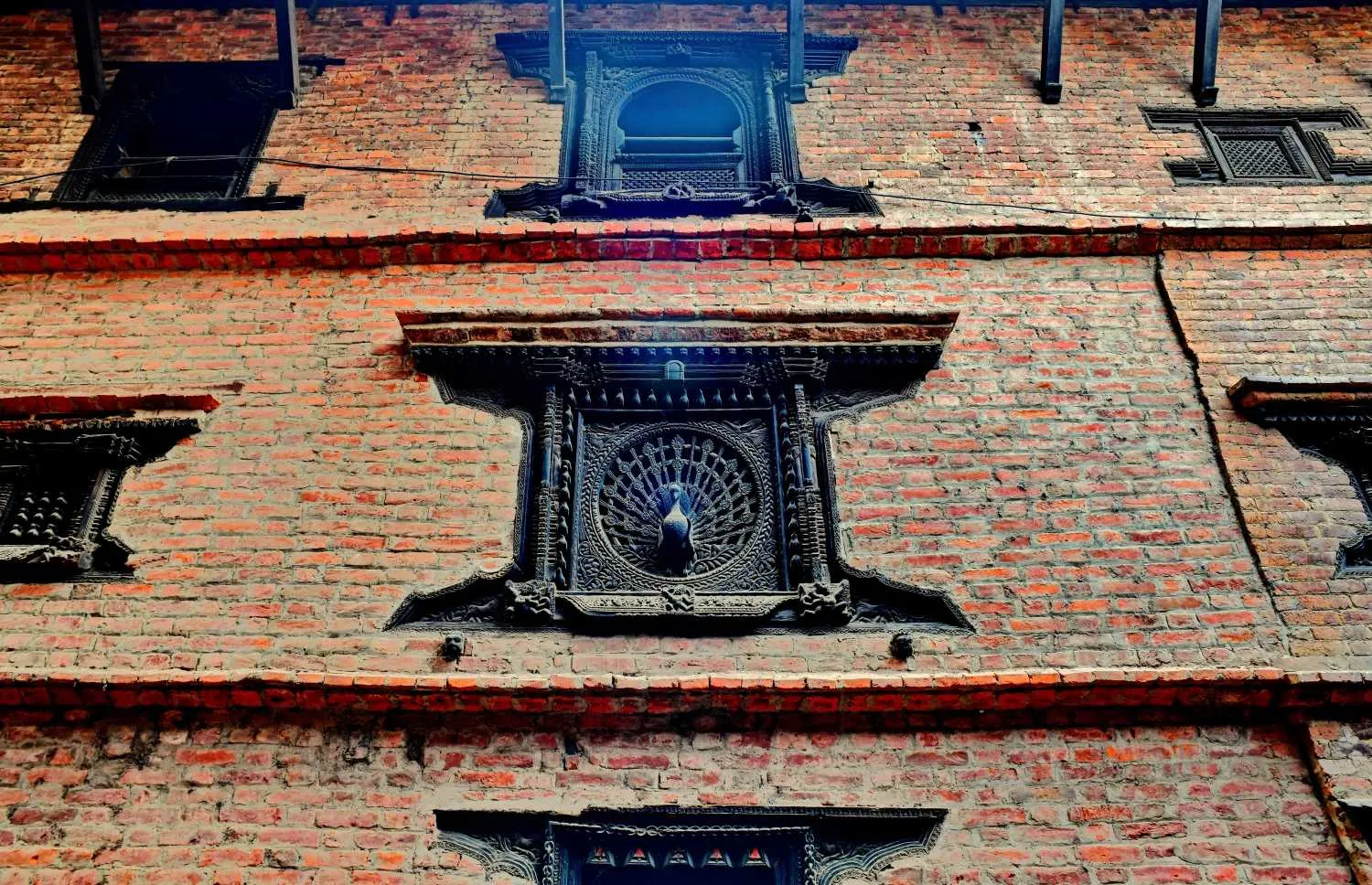
A window so beautiful that people travel thousands of miles just to see it, and it’s not a painting, not a sculpture, but just a window. But when you see the Peacock Window in person, you'll understand why it's been called the "Mona Lisa of Nepal."
The Peacock Window is an exquisite example of Newari woodcarving. This artistic masterpiece adorns a traditional building in Bhaktapur City, Nepal. Often dubbed the "Mona Lisa of Nepal," it captures the intricate skills of local craftsmen.
The window showcases a peacock with spread feathers, carved meticulously, and the unique design draws tourists and art lovers alike. Details like peacock eye spots reveal the intricate attention to detail. Visitors often marvel at the artistry and craftsmanship on display.
The window's beauty lies in its delicate balance of form and detail. It is not just a window but an expression of Bhaktapur's cultural identity. Here are a few key facts about this masterpiece:
The Peacock Window is a must-see for anyone interested in exploring the rich cultural tapestry of Bhaktapur.
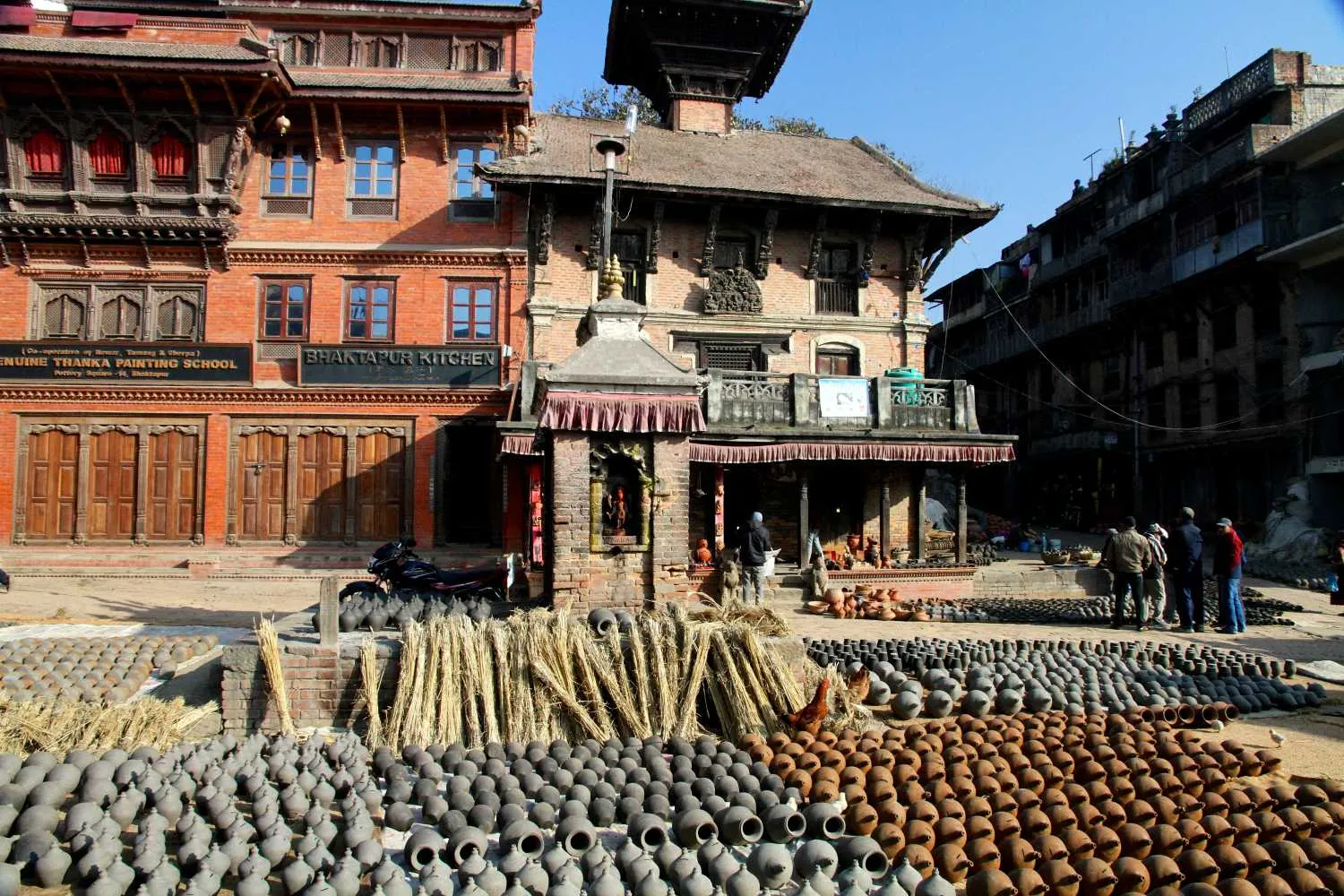
Close your eyes and imagine the rhythmic sound of a pottery wheel spinning, the earthy smell of fresh clay in the air, and rows upon rows of terracotta pots drying in the warm Nepali sun. Now open them because at Pottery Square in Bhaktapur, this scene isn't imagination, it's everyday life.
Pottery Square is a vibrant hub in Bhaktapur City, where traditional crafts come alive. Here, artisans shape and fire clay into timeless pottery. Visitors can observe the skilled potters using century-old techniques.
The square buzzes with activity. Rows of freshly molded pots dry in the sun. It's a fascinating scene that captures the essence of Bhaktapur's living heritage. This spot provides a glimpse into the daily life of local craftsmen.
Pottery making in Bhaktapur is an age-old tradition. The square offers a sensory experience, with the earthy smell of clay filling the air. Travelers can even try their hand at shaping clay alongside seasoned artisans.
Essentials for Pottery Square:
Visitors often leave with a newfound appreciation for this craft. Pottery Square is more than a tourist attraction; it's a testament to Bhaktapur's cultural resilience.
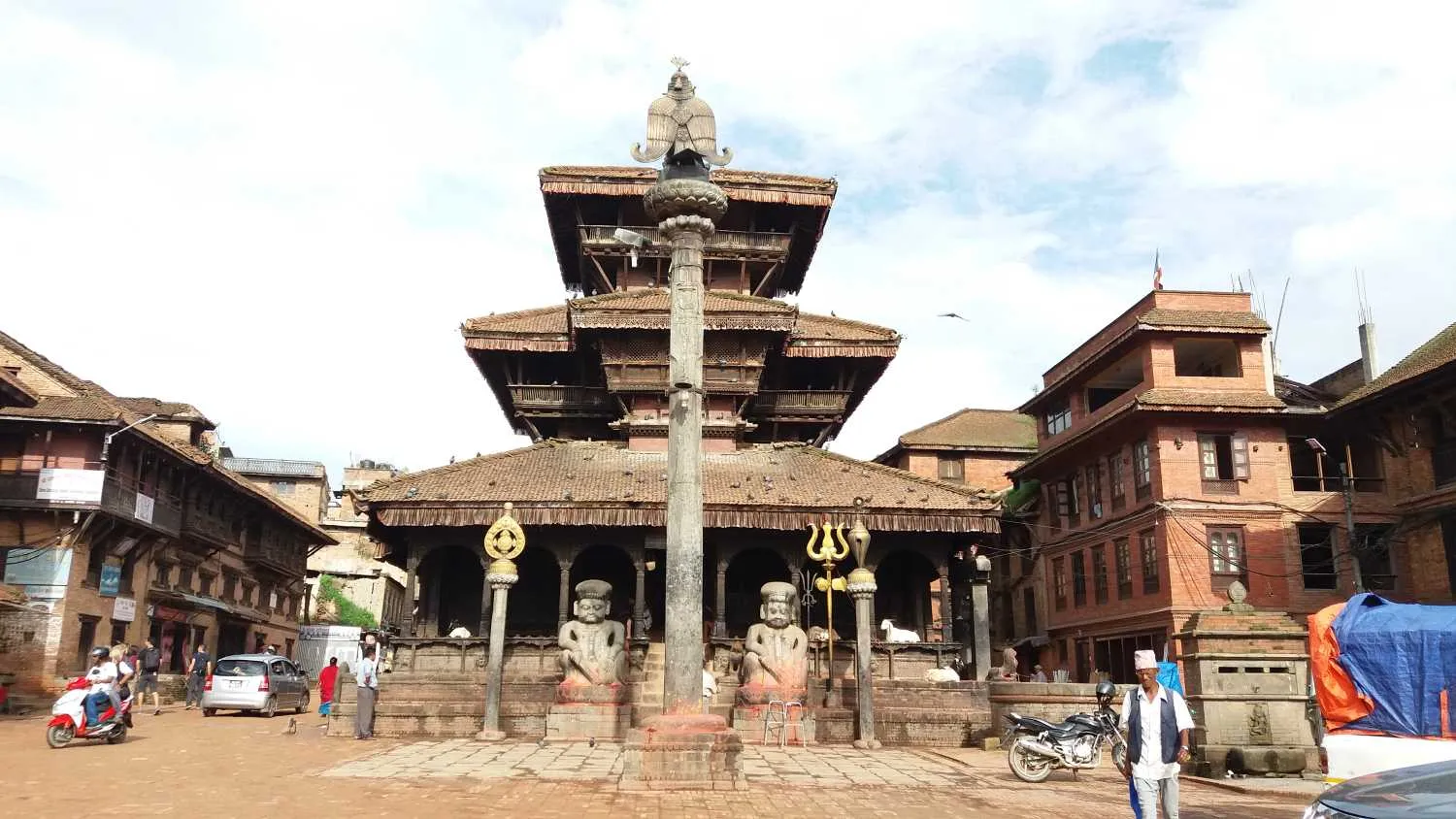
Walk through Bhaktapur, and you'll quickly realize this city is built on devotion, and the temples aren't just scattered here and there and they're woven into the very fabric of daily life. Tucked into corners, rising from squares, and standing as silent witnesses to centuries of prayer and celebration, exploring the temples is like a treasure hunt.
Each temple tells a story of spirituality and devotion. These sacred sites are woven into the city's fabric. Among the most prominent is the Dattatreya Temple. Built in 1427, it's a marvel of architectural grandeur. Dedicated to the Hindu god Dattatreya, it represents the trinity of Brahma, Vishnu, and Shiva.
Many visitors find solace in the tranquility of Bhaktapur temples as the ambiance is peaceful, providing a respite from the bustling streets. Amidst the intricate carvings, one can reflect and find inner peace.
Another notable temple is the Pashupatinath Temple. Although smaller than its Kathmandu counterpart, its significance is profound. Locals visit it for blessings and rituals. Hidden gems surround Bhaktapur’s narrow alleys and the temples like the Changu Narayan, slightly outside the city, offer quiet reflection. It's recognized as one of the oldest temples in Nepal.
Visiting these spiritual landmarks offers more than historical insight. Travelers often connect with the deep sense of culture and heritage. Bhaktapur's temples are both religious sites and art galleries.
Essentials for exploring Bhaktapur Temples:
Experiencing these temples enriches the Bhaktapur visit. They provide a window into the city's rich cultural tapestry. Whether seeking spiritual fulfillment or architectural beauty, Bhaktapur temples captivate all.
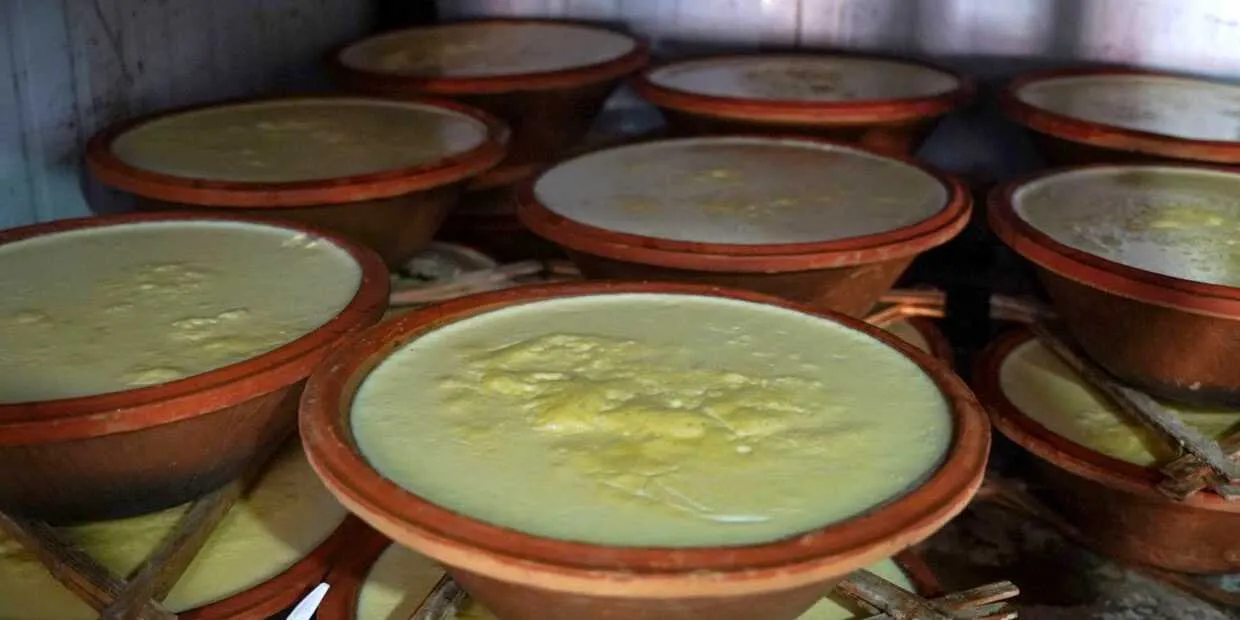
If you think Bhaktapur is just about temples and ancient architecture, wait until you taste the food. This city will win your heart through your stomach, serving up flavors that have been perfected over centuries and dishes you simply won't find anywhere else.
Bhaktapur is a paradise for food lovers, and its cuisine is a delightful blend of flavors and traditions. A visit to Bhaktapur is incomplete without indulging in its culinary offerings, as one cannot overlook Bhaktapur's famous Juju Dhau. Known as “King Curd,” this creamy yogurt is a local favorite. It’s made from buffalo milk and has a smooth, rich texture.
Street food is a significant part of Bhaktapur's culinary landscape. Newari cuisine, with dishes like Bara (lentil patties) and Samay Baji (a traditional platter), excites the taste buds. These dishes reveal the traditional flavors of the Newar community.
Beyond street food, local restaurants offer hearty meals. Dal Bhat, Nepal’s staple, is served with flavorful sides. It provides a wholesome and fulfilling dining experience for travelers. For those with a sweet tooth, Bhaktapur's homemade sweets are a treat. Sweets like Lakhamari, made with butter and sugar, are popular. These delicacies bring a perfect finish to a savory meal.
Highlights of Bhaktapur's culinary scene:
Exploring Bhaktapur's food scene is a journey through its culture. Each bite offers a glimpse into the traditions that shape this vibrant city. For anyone visiting, savoring Bhaktapur's food is a rewarding experience.
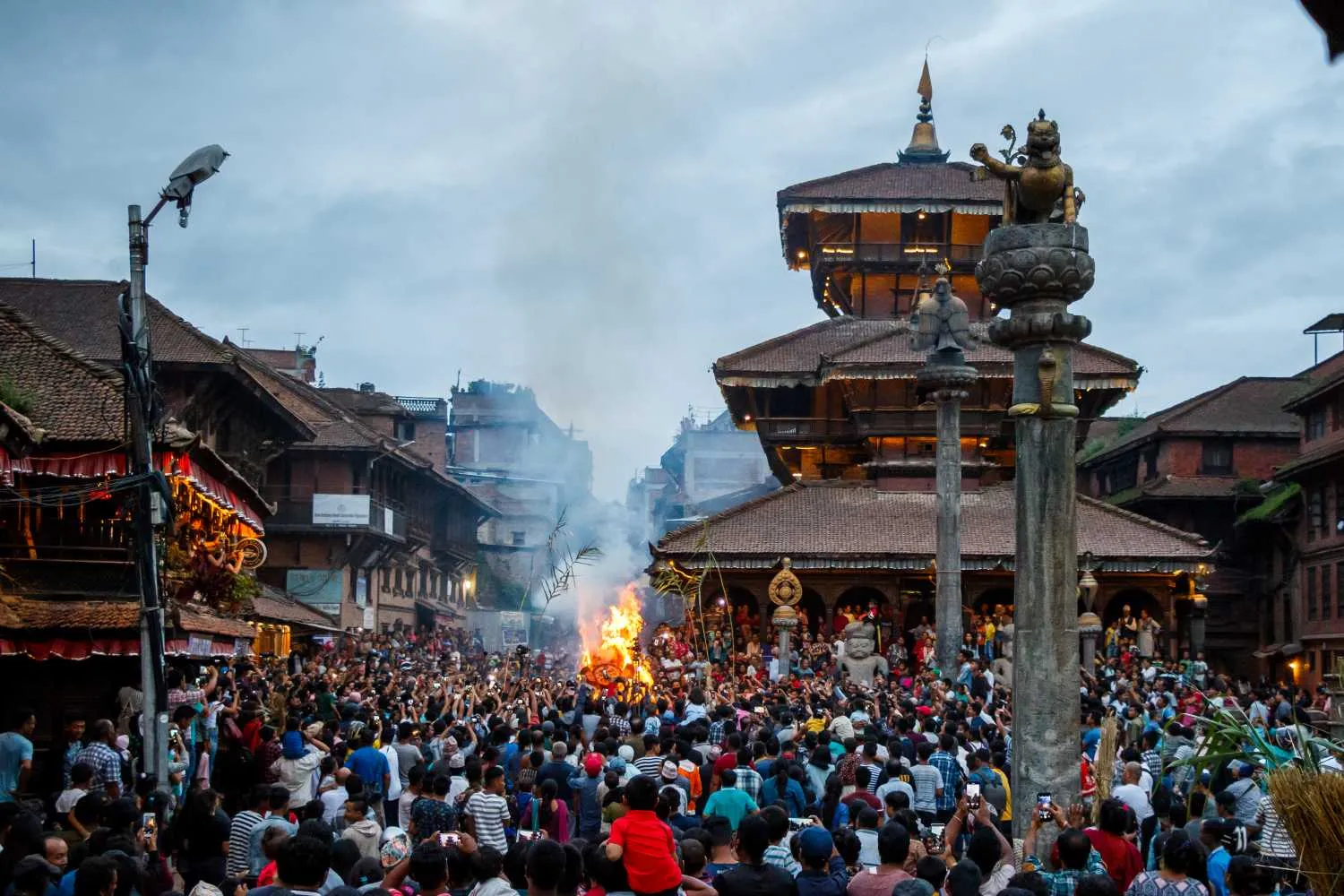
If you really want to understand Bhaktapur, don't just visit its temples and palaces, rather visit during a festival. That's when the city's true soul comes alive, bursting with color, sound, and an absolutely electric energy.
Festivals here aren't quiet affairs, but they're loud, joyous, chaotic celebrations that take over entire neighborhoods. The most famous is Bisket Jatra, a multi-day spring festival that's unlike anything you've probably experienced.
Bhaktapur city is a vibrant tapestry of cultural expressions. Its festivals, music, and dance offer a window into the city's soul. Engaging with these elements enriches any visit to Bhaktapur, as the
festivals in Bhaktapur are celebrated with great joy. The celebration brings communities together in harmony and joy.
Music and dance are integral to Bhaktapur culture, and the traditional Newari music, with its unique instruments, fills the air during events. Local dancers perform intricate steps, showcasing stories and traditions passed down through generations.
Participating in these cultural events is an unforgettable experience where the visitors can witness the city come alive with energy and color. Engaging with locals during festivals offers a deeper understanding of Bhaktapur's rich traditions.
Highlights of Bhaktapur's cultural scene include:
In Bhaktapur, culture isn't just observed, but it's lived. The city's festivals, music, and dance demonstrate its vibrant spirit, and if you are eager to immerse yourself in cultural exploration will find Bhaktapur endlessly rewarding.
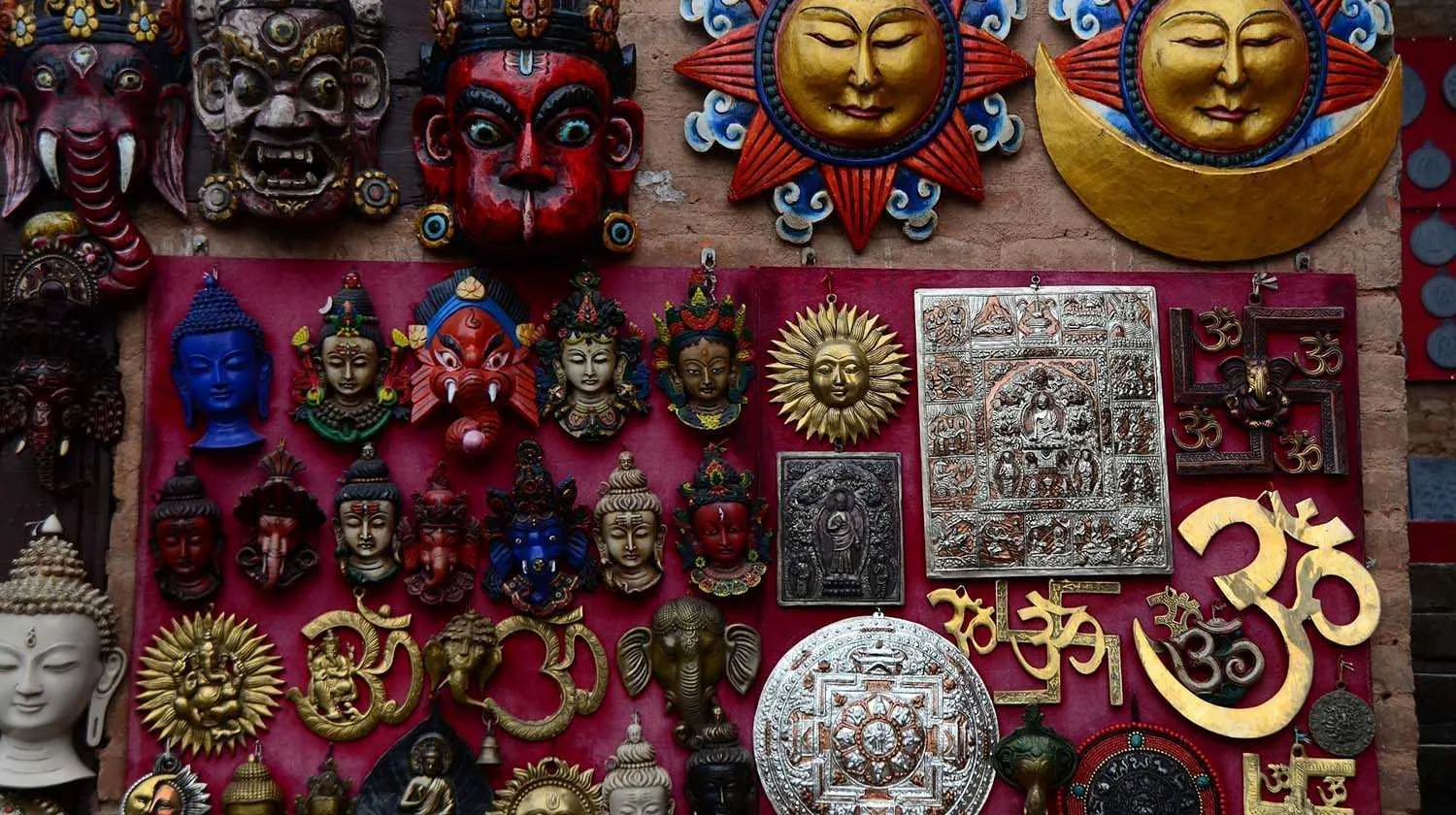
Shopping in Bhaktapur is a completely different experience as you can watch artisans create the very items you're about to buy, and every piece carries the fingerprints and soul of the person who made it.
Wandering through Bhaktapur's markets and small workshops feels like a treasure hunt. You never know what you'll stumble upon as you turn down a narrow alley, maybe a tiny shop overflowing with hand-carved masks, or a courtyard where an elderly craftsman is putting the finishing touches on an intricate wooden window panel.
Those traditional masks you'll see everywhere? They're not just decorations. These are the same vibrant, sometimes fierce-looking masks worn during Bhaktapur's festivals, representing gods, demons, and mythological characters. Each one is hand-painted with incredible detail, bold colors, expressive features, and designs that have been passed down through generations. Hang one in your home, and you're bringing a piece of Bhaktapur's living culture back with you.
Woodcarving is one thing in Bhaktapur, as you'll find everything from small decorative pieces to elaborate window frames similar to the famous Peacock Window. Besides woodworks, hand-woven textiles and ceramics catch the eye of many visitors.
When shopping in Bhaktapur, don't miss:
Shopping in Bhaktapur is more than just buying souvenirs; it's about bringing a piece of this vibrant city back home. The unique crafts of Bhaktapur hold stories of its culture and heritage, making them cherished keepsakes.
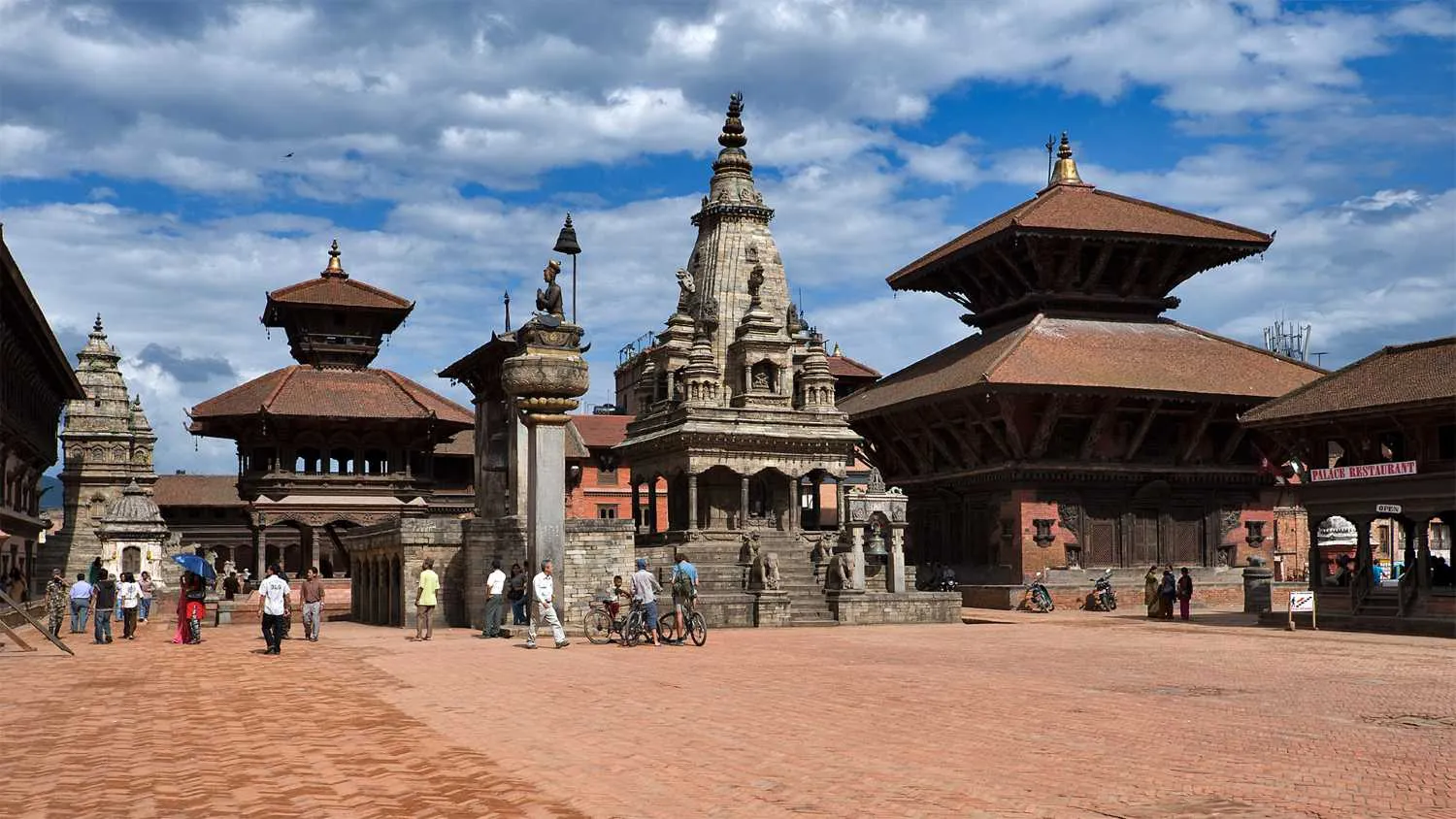
Exploring Bhaktapur with a local guide offers a deeper understanding of its rich history. Guides provide stories and insights that you might miss on your own. Their knowledge of the city’s history and culture enriches the visit immensely.
Guided tours often cover hidden spots that aren't in guidebooks. This includes lesser-known temples and intricate courtyards. A guide can explain the symbolism and significance of local art and architecture. Understanding these details brings the city’s past and traditions to life.
When choosing a guided tour in Bhaktapur, consider:
Hiring a guide in Bhaktapur is highly recommended. Their stories and expertise turn a simple visit into a journey through time. A guided tour ensures you experience Bhaktapur’s hidden beauty and cultural depth.
Visiting Bhaktapur is an enriching experience, but preparation is key. The city is beautiful year-round, but visiting in the spring and autumn offers the best weather. During these seasons, you can enjoy the festivals and clear views of the Himalayas.
When planning your trip, consider the city's location. Bhaktapur lies about 13 kilometers east of Kathmandu. Public transport, like buses and taxis, can easily get you there. Alternatively, a short drive from Kathmandu will bring you to this historic city.
Here are some essential tips for your Bhaktapur visit:
Walking is the best way to explore Bhaktapur's narrow streets, and comfortable shoes are a must, as you'll cover plenty of ground. The city is compact and easy to navigate on foot. Remember to respect local customs and dress modestly when entering religious sites.
Exploring beyond Bhaktapur offers a deeper appreciation of Nepal's diverse culture and scenery. The surrounding Kathmandu Valley is rich with history and natural beauty. Several nearby attractions provide perfect day trip opportunities.
Just a short distance away lies Nagarkot, famed for its stunning sunrise views over the Himalayas. Visitors often venture there for hiking and to escape the city's hustle. The serene surroundings offer a perfect nature retreat.
For those interested in more historical sites, the ancient city of Patan is a must-visit. Known for its exquisite Durbar Square and numerous temples, it showcases the best of Newari architecture. Easily accessible from Bhaktapur, it makes for an informative and enjoyable day trip.
Here's a quick list of nearby Bhaktapur attractions:
These day trips complement your Bhaktapur journey, providing a fuller cultural experience.
Bhaktapur City, Nepal, stands as a testament to the nation's rich cultural and historical legacy. Its well-preserved medieval architecture offers a window into the past, making it a true living museum.
Visitors are drawn to its serene atmosphere, distinct from the bustling life of neighboring Kathmandu. The city's unique blend of Hindu and Buddhist influences is evident throughout its temples and festivals.
As a UNESCO World Heritage Site, Bhaktapur promises a cultural immersion like no other. From intricate wood carvings to vibrant local celebrations, every corner tells a story.
A trip to Bhaktapur is incomplete without experiencing its diverse range of attractions. For anyone seeking a blend of history, art, and tradition, Bhaktapur City is a must-visit destination.
Here's what makes it unmissable:
Bhaktapur is famous for Bhaktapur Durbar Square, a UNESCO World Heritage Site, as well as other historic sites such as Nyatapola Temple, Juju Dhau, and various Newari cuisines.
There is an over 10 feet tall image of the goddess Siddhi Laxmi inside the Nyatapola temple, who is the fierce tantric goddess who is depicted standing on the shoulders of Bhairava. The temple is dedicated to her, where the “Nyatapola” means “five-story temple”.
Juju means “King” in the Newari language, and Dhau means curd or yogurt. The famous Juju Dhau is considered the king of curd, as its name suggests.
The famous production of Bhaktapur includes traditional pottery, wood carvings, and other local delicacies known as Juju Dhau(King Curd). The city is also famous for its metal crafts and Paubha paintings, which are an important part of the traditional handicraft products.
Bhaktapur is famous for Juju Dhau, which is the King of Curd, and other Newari cuisines such as Bara, Yomari, Chatamari, Samay Baji, and Choila.