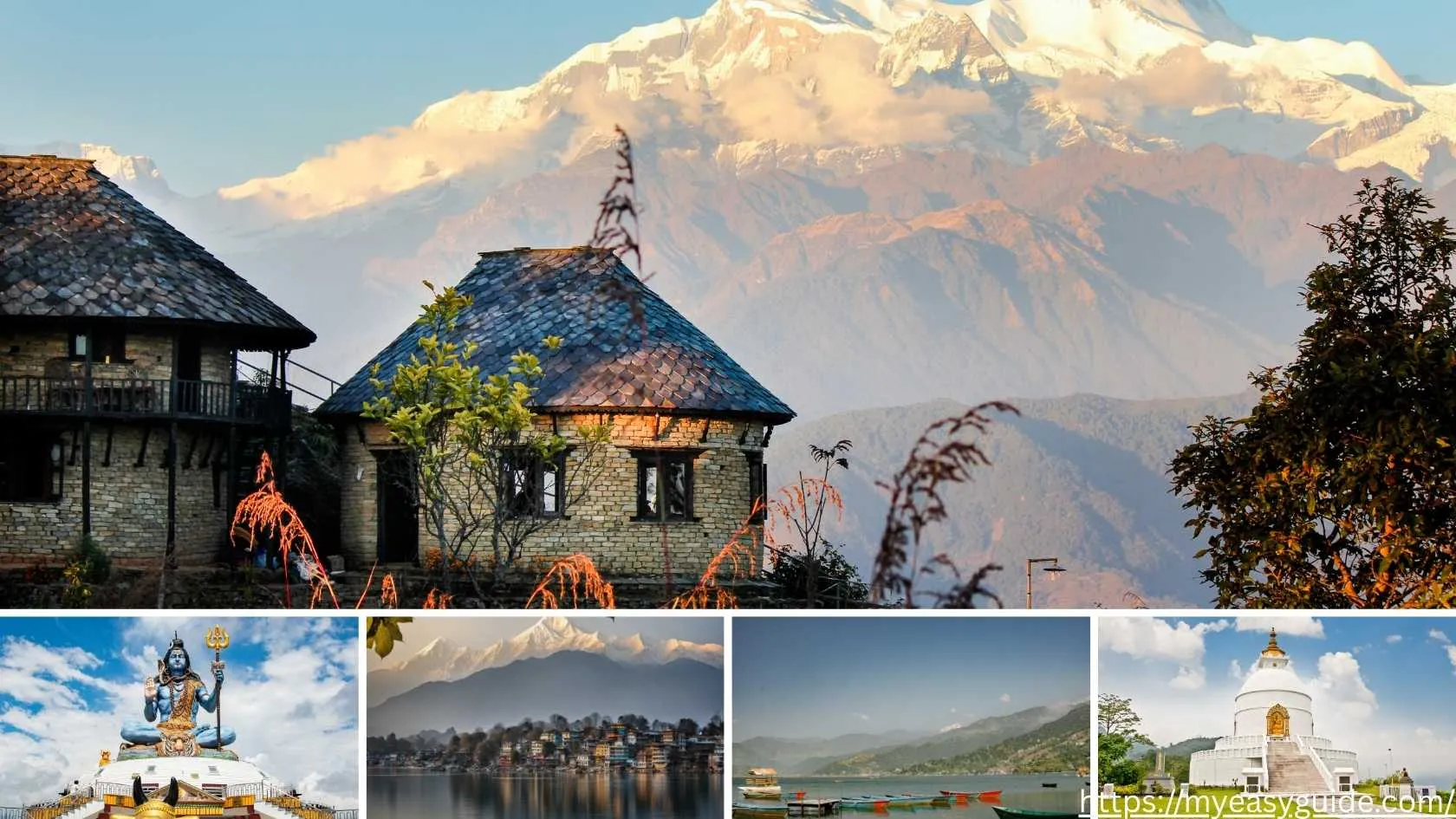
How much do you know about Nepal, and if you know, how much do you know about Pokhara? Yes, Pokhara is the tourism capital in Nepal, which becomes travelers favorite once they travel to Nepal. This place is known for its stunning landscapes and the beauty that feels like a perfect blend of beauty, nature , and adventure, as it is among the top 10 must-visit cities in Nepal.
With the beauty and attractions of its own, it shares its popularity as a gateway to the Annapurna Circuit, which is most trekkers’ dream when they plan trekking in Nepal. Pokhara is also known as the city of lakes, and with its serene lakes and majestic mountains, Pokhara captivates every visitor in a way that they extend their stay by a day or two.
This city is not just about natural beauty but also a hub that showcases the rich cultural heritage and a warm, welcoming atmosphere for every visitor. Pokhara has something for everyone that the city calls to embrace, and it won’t matter if you are an adventurer or just want some self-time to immerse yourself in nature. This is a city that comes in all the niches and all fonts, from which you can choose the most suitable one for yourself.
Explore Pokhara's attractions, from the tranquil Phewa Lake to the awe-inspiring World Peace Pagoda. Each site offers a unique experience. From paragliding in Pokhara to ziplining, bungee, and ultralight flights, each experience comes with the default background where the Annapurna range presents its beauty just for you. The interesting part, many among the top 10 base camp treks in Nepal are accessible from Pokhara.
For those interested in culture, the Old Bazaar and Bindhyabasini Temple offer a glimpse into local traditions. Do you know about the interesting nightlife of Pokhara in Lakeside, where the city never sleeps? You must not miss it while you are here, with the experience of lakeside bars and live music, as it's the perfect way to unwind after a day of exploration.
Ask any traveler who's been to Nepal what their favorite place was, and chances are, "Pokhara" will be the sound you hear, with a dreamy look in their eyes. There's just something about this city that gets under your skin in the best possible way.
When you wake up, step outside, and there they are the snow-capped peaks of the Annapurna range rising majestically against a brilliant blue sky, their reflections shimmering in the calm waters of Phewa Lake. This is the kind of view that makes you pause mid-sip of your morning tea and think, "Is this real life?" That's Pokhara, a place where nature decided to show off a little, and it slays.
But here's what makes Pokhara truly special: it's not just about pretty scenery, but this city has personality and so much to offer. It's equally comfortable offering you an adrenaline rush or a peaceful retreat, a cultural deep dive or a lazy afternoon by the lake. It adapts to what you need, which is probably why it captures hearts so easily.
The natural beauty is mesmerizing, but it is not the only reason to become a traveler's favourite. This city is perfect from every angle, with every view worthy of postcard postcard-perfect moment. But it's not only that, you can go paragliding in Pokhara with mountains as a backdrop. You can fly like a bird with the help of an ultralight flight and soak in the beauty of the city from above.
From adventures to trekking through the terraced rice fields and traditional villages, Pokhara is a paradise that you won’t just see but also experience. Adventure junkies find their happy place here with activities that range from heart-pounding to soul-soothing. Paragliding off the skies of Pokhara at sunrise? Check and done. Multi-day treks into the Annapurna region? Absolutely. Zip-lining across valleys? Why not. But if your idea of adventure is more about inner exploration, Pokhara's got you covered with peaceful yoga retreats and wellness centers where the mountain views come standard with your meditation practice around the outskirts of the Phewa Lake and the Begnas Lake side.
The cultural side of Pokhara is just as rich as the natural beauty. Ancient temples that are on the hillsides, their prayer flags fluttering in the breeze. Local markets buzz with activity, filled with colorful textiles, handmade crafts, and the friendly chatter of vendors who actually want to know where you're from. There's history here, tradition woven into the fabric of daily life, waiting for curious travelers to discover it.
When the sun sets, Pokhara doesn't just go to sleep. The lakeside area comes alive in a completely different way, with cafes lighting up, live music drifting from cozy bars, and travelers from around the world gathering to swap stories over local beer or masala chai, or fancy drinks. It's laid-back and friendly, the kind of nightlife where you make friends without even trying, and it will be memorable.
But do you know what really makes Pokhara shine? The people. There's a warmth here that goes beyond the standard tourist hospitality, where the locals genuinely smile when they greet you. Shop owners remember your face after one visit. Your guesthouse host asks about your day like they actually care, because they do. This isn't manufactured friendliness; it's just how things are here. That genuine human connection turns a nice trip into an unforgettable one.
The weather cooperates beautifully, too. While the best views come during the dry season, Pokhara welcomes visitors year-round, with each season painting the city in different colors of monsoon greens, autumn clarity, spring blooms, and let me tell you that they are all beautiful in their own way.
Pokhara isn't just a destination you check off your Nepal itinerary, but it’s an experience that wraps around you like a warm blanket and stays with you long after you leave the country. Whether you're seeking adventure that makes your heart race, culture that feeds your curiosity, nature that takes your breath away, or simply peace that quiets your mind, Pokhara delivers it all. It embodies everything remarkable about Nepal, condensed into one magical place that somehow manages to be both thrilling and tranquil, bustling and peaceful, all at once. This city calls you to the mountains, but when you arrive, you stay for the magic this city offers.
Pokhara comes in a package when you plan your trip here, as you can experience nature and adventure in one city. Here is a list of things to do in Pokhara, Nepal:
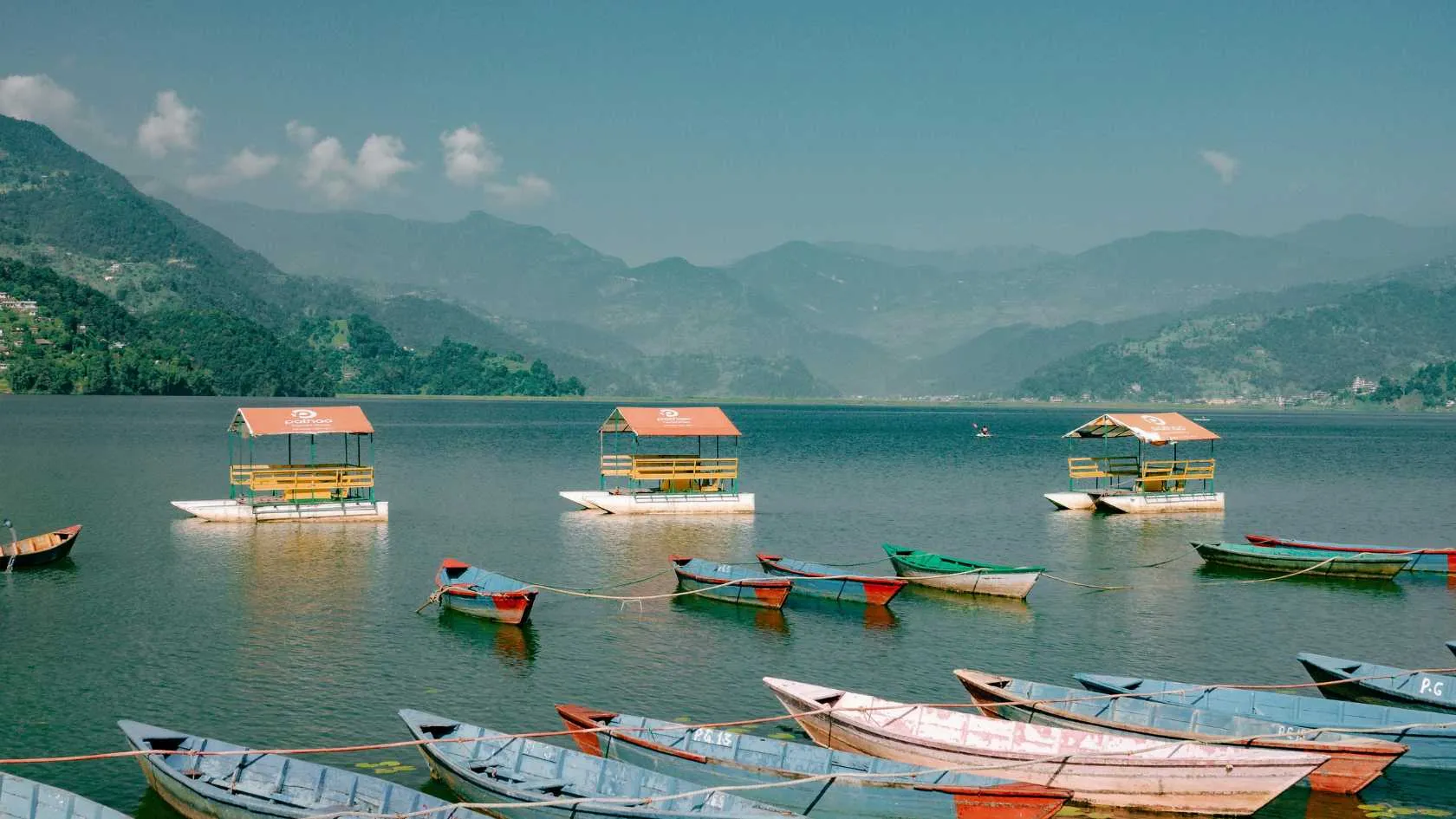
Not lying, but Phewa Lake is Pokhara’s most loved spot, as this is where the city shines day and night. This city is where the city’s soul truly shines, and when the calm waters of Phewa Lake mirror the Annapurna range perfectly on its surface, you might run out of camera storage trying to capture this beauty.
What more fun can you experience is renting a colorful wooden boat and paddling out onto the lake? As you glide across the peaceful waters of Phewa, with the mountains towering above and the world feeling so quiet, you go deep into understanding why people keep coming back.
At the lake's heart sits the charming Tal Barahi Temple on its own little island, a sacred Hindu shrine that's only accessible by boat, adding a special cultural dimension to your peaceful paddle. The Lakeside is also famous for the bustling markets where you can go for souvenir shopping or drink matcha with your girl bestie, because the cozy cafes line the shore, where you can sip on the drink while soaking in those incredible views.
But the real magic happens at sunset. The sky explodes into shades of orange, pink, and purple, painting both the heavens and the lake's mirror-like surface. Everything slows down, and for those few golden minutes, the world feels absolutely perfect.
Whether you're seeking adventure, tranquility, or simply a beautiful place to breathe and be present, Phewa Lake delivers it in every aspect.
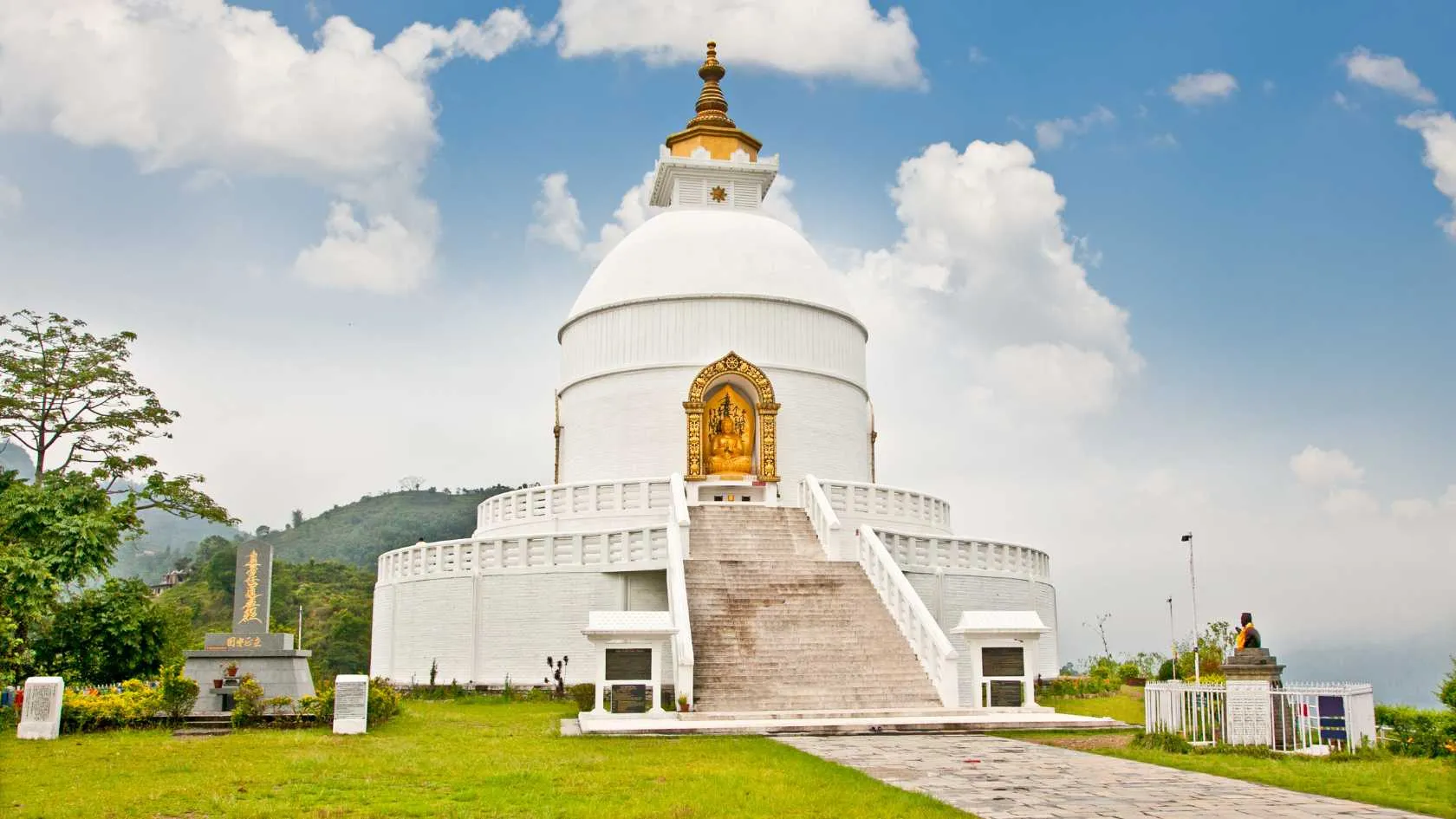
From most corners of Pokhara, you will witness high on a hill, where the statue of Lord Shiva and a white igloo-like structure overlook Pokhara, and they are the World Peace Pagoda(Shanti Stupa) and Pumdikot.
These places are not just another viewpoint, but places where the journey and destination blend into one unforgettable experience that touches both your legs and your soul. The hiking is the fun part as the trails are well-maintained, and if you prefer comfort, there will be buses, taxis, and two-wheelers to take you up the hill, where you can get the best glimpses of the valley.
Then you reach the summit, and wow. Phewa Lake sparkles below like a turquoise gem, Pokhara sprawls across the valley in peaceful chaos, and the Annapurna range rises in snow-capped glory on the horizon. It's the kind of 360-degree panorama that makes you forget about your tired legs entirely. The pagoda shines in its brilliant white dome that gleams against the blue Himalayan sky, radiating the peace it was built to symbolize.
Here, you‘ll feel the atmosphere to be calm with visuals of monks in maroon robes walking the meditation circles. The travelers sit quietly absorbing the serenity, and photographers chase the perfect light; however, videography and talking are not allowed inside the stupa; however, pictures can be taken.
There's something about being up here that naturally slows you down. Whether you're spiritually inclined or not, the combination of breathtaking beauty and profound tranquility invites reflection. It's more than sightseeing, it's experiencing peace in its purest form, high above the world with the Himalayas as witnesses.
You take a few more steps and turns along the way, and you stand in front of a giant statue of Lord Shiva that feels so surreal that it feels as if you have arrived in front of the lord himself. These places are of spiritual and cultural significance in Pokhara.
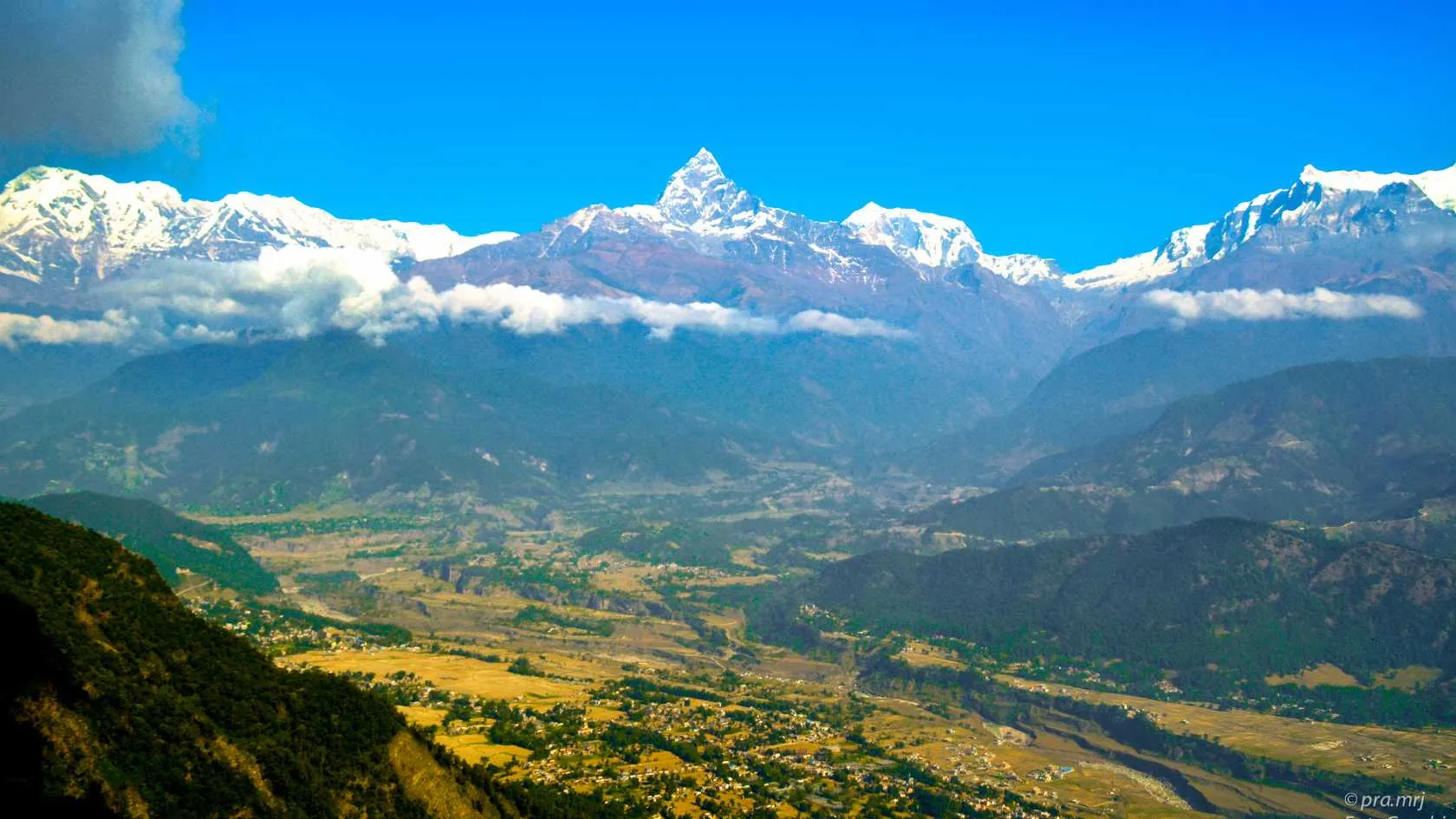
Watching the sunrise at Sarangkot is an unforgettable experience because as the first rays of the sun illuminate the landscape, the Annapurna range lights up magnificently. The view alone is worth the early morning wake-up call, along with many other things to do in Sarangkot.
There’s a beauty in an early morning ride/ walk to the Sarangkot ridge, surrounded by fellow adventurers, who’ve dragged themselves out of bed too early in laziness and excitement to witness one of nature’s most spectacular early morning shows.
As the dawn arrives, the sky begins its slow transformation from inky black to deep purple, and then soft pink and orange, where breathing is visible in the cold mountain air and the first golden rays kiss the snow-capped peaks of the Annapurna range, and the panorama ignites like someone turned on the switch.
The surrounding peaks follow suit, each catching fire in turn. It's the kind of moment that makes you forget about your cold fingers and sleepy eyes entirely. The magic doesn’t just end with the sunrise because as the sun settles into the day, you will see paragliders flying in the sky for an aerial adventure. You can soar like a bird over the valley, awakening below, and these mountains will make you feel as if you are in some AI-generated resource.
Sarangkot is nestled on a ridge overlooking the Pokhara Valley. Its elevation provides sweeping views, making it a favored spot for sunrise watchers. The changing colors of the sky add to its allure. You will feel moments from Wow, look at those beautiful mountains to Wow, I am flying past these mountains. People often gather before dawn to get the best viewing spot. Essential details for visitors include:
After sunrise, Sarangkot offers more than just views. It's a starting point for paragliding, adding an adrenaline rush to your morning. The descent provides a chance to explore village life in Nepal. Visiting Sarangkot is not just about witnessing a sunrise; it's about immersing yourself in beauty and adventure. It's a highlight of any trip to Pokhara.
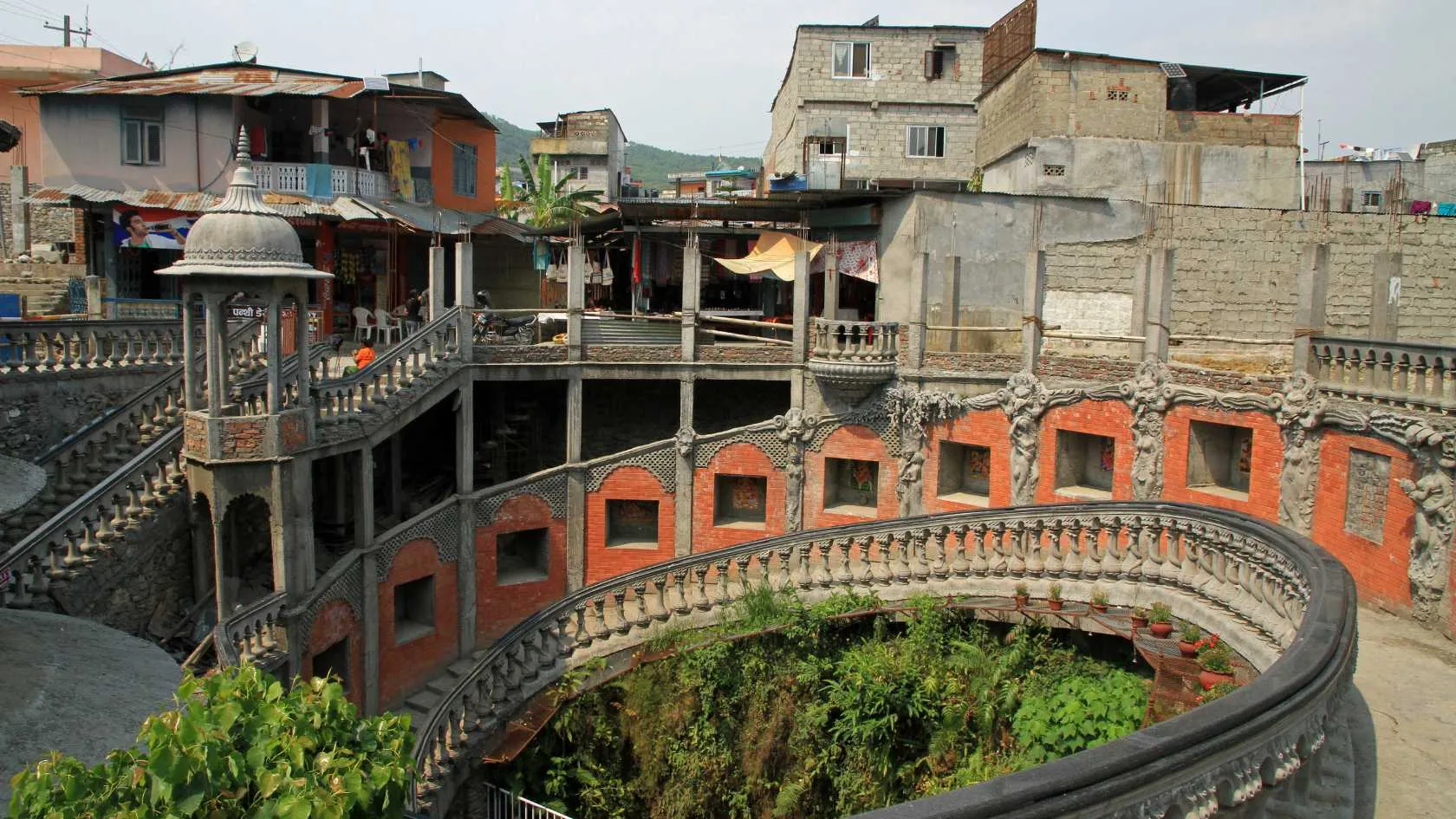
Davis Falls is a unique natural wonder in Pokhara where the water suddenly disappears into the ground, sparking mysteries. The waterfall mysteriously disappears underground, creating a fascinating spectacle, and its name originates from a tragic incident involving a tourist named Davis. However, in present times, it is also known as Devi’s Fall, creating cultural and religious significance.
You can see the thunderous roar fills the air as the mist rises from where the water meets the rocks, like it's the gentle way of nature showing its power, where you can contemplate and have thoughts on any possible things in general. Here’s where it gets better, because as you cross the street, you reach Gupteshwor Mahadev Cave, where the Davis falls reappear again within the darkness of the cave, making some roaring sounds. You’ll feel as if you found another end to the secret passage of this water source.
Visiting Davis Falls offers a peek into nature’s hidden secrets, with the surrounding area having benches and viewpoints for relaxation. Listening to the thunderous roar is a thrilling experience, and the amazing Gupteshwor Mahadev Cave lies opposite Davis Falls. This cave holds spiritual significance, with dedicated shrines inside. Many visitors come to pay their respects and seek blessings.
As you enter the cave, prepare to be amazed by limestone formations. Stalactites and stalagmites form intriguing patterns. The cave’s ambiance is both mystical and serene.
Here’s what you need to know:
Both attractions are accessible by local transport. They make for a perfect outing during your stay. The combination of natural beauty and spiritual richness is compelling. Exploring these sites offers a deeper understanding of Pokhara’s charms.
Davis Falls and Gupteshwor Cave provide more than just sights because they are places of wonder and contemplation. Such experiences enrich any travel itinerary, making them a must-visit in Pokhara.
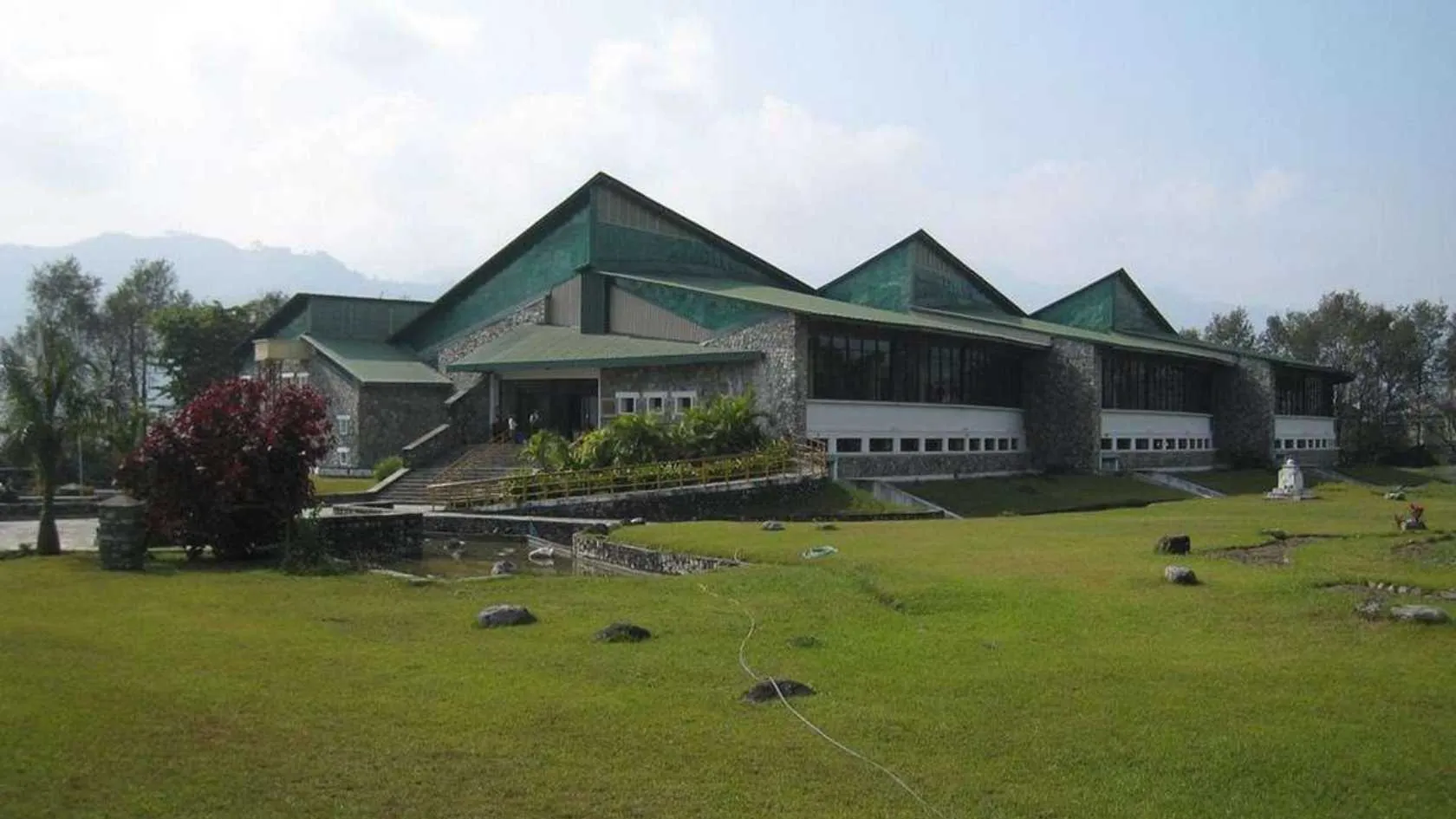
Have you ever wondered what it takes to stand at the top of the world? The International Mountain Museum in Pokhara will answer your questions and other questions you didn’t realize you had. This is not typical museum, but it’s a fascinating journey inside the museum, that takes you through the Himalayan History, culture, and the incredible views that have dared to challenge these magnificent peaks.
As you walk through the halls of this museum, you’ll find yourself face-to-face with actual gear that was used on the legendary expeditions, along with oxygen tanks, ice axes, and shredded boots that have touched Everest’s summit. Don’t miss out on the biographies of climbing legends like Tenzing Norgay and others, because behind every summit photo, you’ll see the story of people who took the challenge and conquered it.
What makes this museum special and significant is the celebration of the indigenous communities who’ve called these mountains home for generations. This includes the Sherpa, Gurung, and Tamang communities, whose cultures are as rich and fascinating as these peaks.
The beautiful diversity of the Himalayas can be experienced from snow leopards to the rare alpine flowers, where you can understand the living ecosystems of these beautiful mountains, and not just as a climbing destination.
Here's what to expect:
Whether you're a serious mountaineer or just mountain-curious, spending a few hours here adds so much depth to those peaks you've been photographing. It's where admiration becomes understanding.
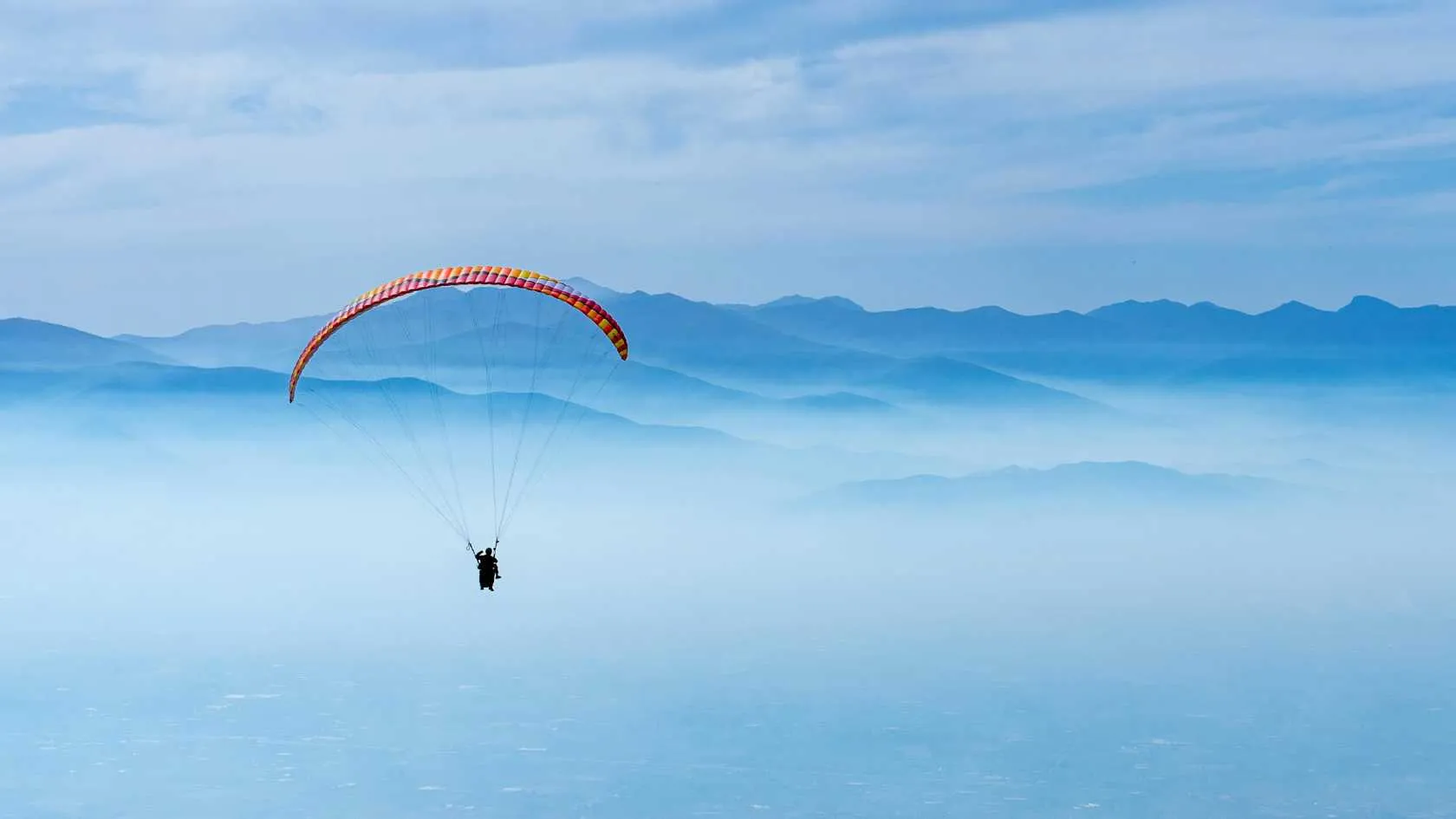
Paragliding in Pokhara is an exhilarating experience you shouldn't miss, as you are in the adventure and tourism capital of Nepal. The city is renowned for offering some of the best paragliding conditions in the world. With its breathtaking landscapes, the adventure provides a bird’s-eye view of the stunning scenery below.
Take off from Sarangkot, a popular launching site. As you soar through the sky, you'll gaze over the lush hills, serene lakes, and majestic Annapurna range. It’s a dream come true for thrill-seekers and nature lovers alike.
Experienced instructors ensure your safety every step of the way. Whether you're a first-timer or an experienced paraglider, you'll feel secure and supported. The flight offers a unique chance to see Pokhara from a completely new perspective.
The experience isn’t just about adrenaline but equally about the serenity and awe you'll feel hovering above such beauty. Glide silently as you take in the gentle winds and expansive views.
Booking a paragliding session is easy, with several operators available. Each offers tandem flights and varying duration packages. Capture the magnificence of Pokhara from the skies, creating memories that last a lifetime.
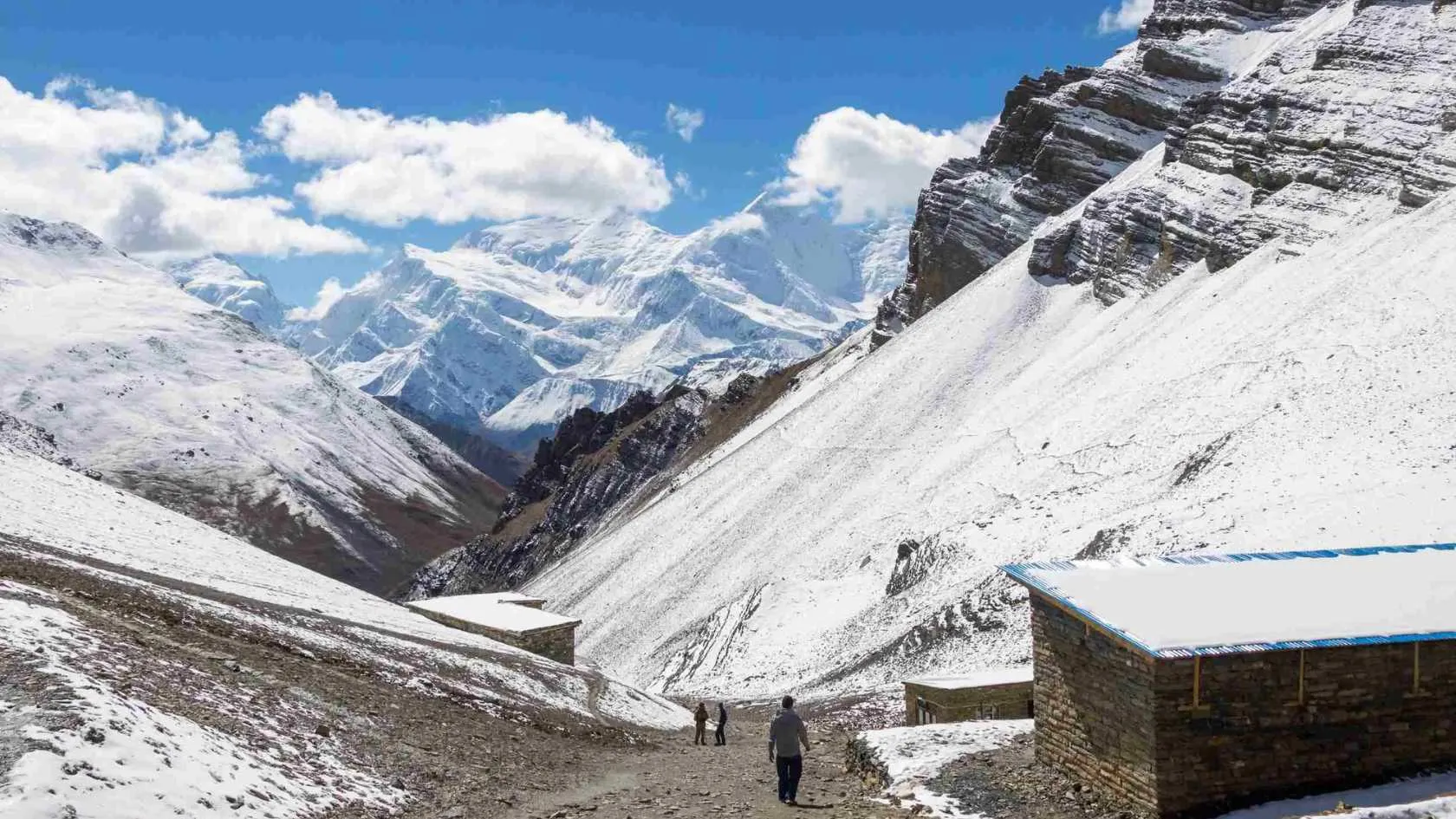
Trekking in general and Trekking in the Annapurna region do not fall in the same category. In the trek, every turn reveals a view that makes you stop mid-step and just stare, unable to believe what you're seeing is real because that’s the kind of view guaranteed.
The legendary Annapurna Circuit is for those who want the full mountain experience. This multi-day adventure takes you through an incredible variety of landscapes, lush subtropical forests give way to alpine meadows, which eventually transform into a high-altitude desert. You'll cross the challenging Thorong La Pass at over 5,400 meters, surrounded by peaks that scrape the sky. It’s definitely not easy, but the sense of accomplishment and the views? Absolutely worth every exhausting step you take.
If you're short on time but big on mountain dreams, the Ghorepani Poon Hill trek is your answer. Other shorter trails like the Annapurna Base Camp Trek and, Mardi Himal Trek can also be conquered. This shorter journey still delivers that magical Himalayan sunrise moment, standing on Poon Hill as the first light sets the Annapurna and Dhaulagiri ranges, and they are less demanding but offer equally spectacular views.
What makes these treks truly special isn't just the mountains, it's the villages you pass through. Gurung and Thakali communities welcome trekkers with warm smiles and steaming cups of tea. Their stone houses cling to mountainsides, prayer flags flutter in the breeze, and you realize you're not just walking through landscapes, you're walking through living cultures.
Key highlights of the Annapurna Circuit or Poon Hill trek:
Pack your gear, grab a good guide, and prepare for an adventure that'll change how you see mountains, and maybe yourself, forever.
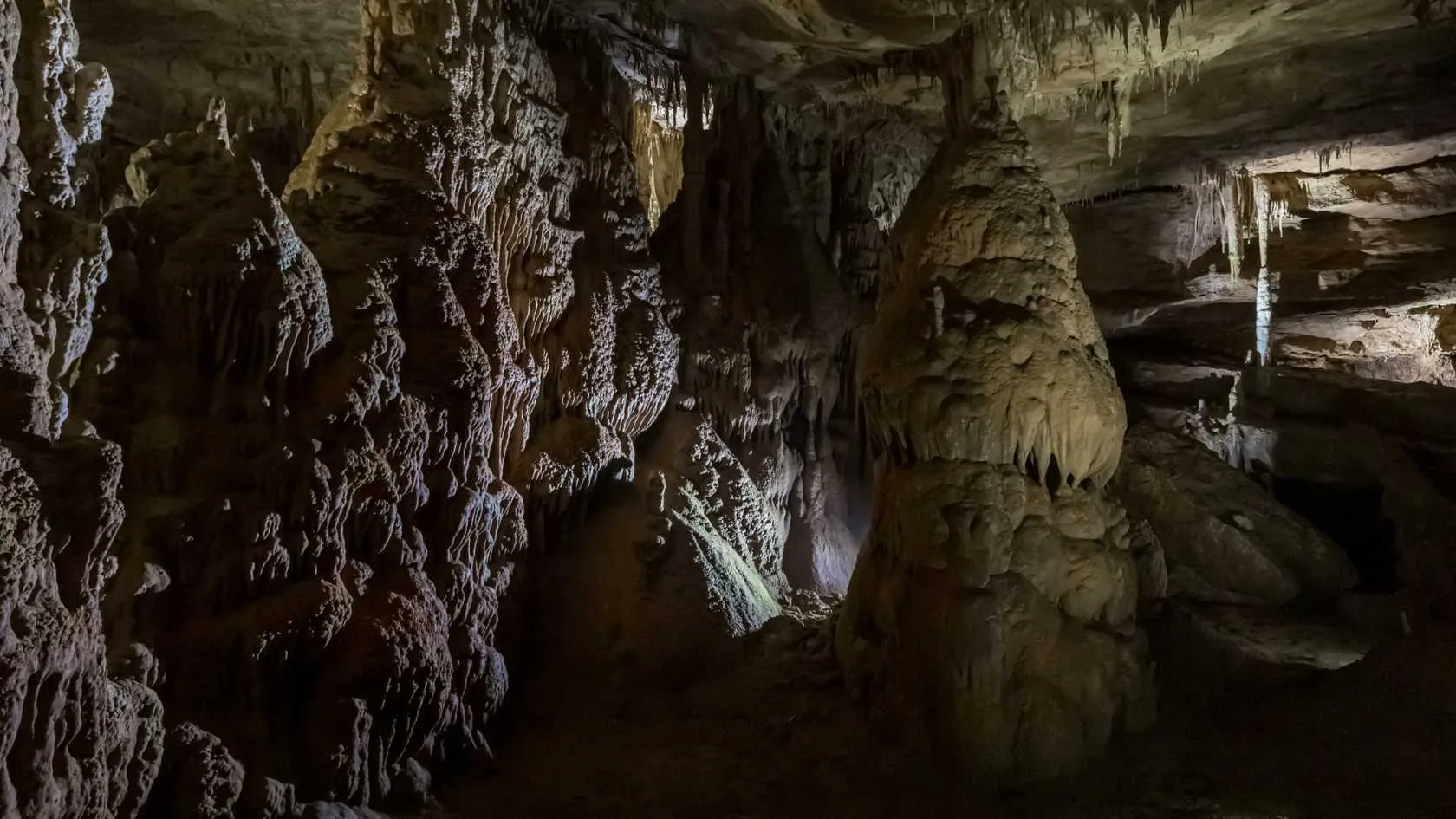
Ever wanted to feel like an explorer discovering hidden worlds? Just a short drive from Pokhara's lakeside, Mahendra Cave and Bat Cave offer exactly that, and it’s not something of no value but a chance to venture into the earth's mysterious depths where nature has been sculpting art for millennia.
Mahendra Cave, named after Nepal's late King Mahendra, greets you with chambers adorned with impressive stalactites hanging from above and stalagmites rising from below. These limestone formations, created drop by patient drop over thousands of years, catch the dim light in otherworldly ways. It's spacious enough to feel grand without being overwhelming, and there's genuine history woven into its stone walls.
Then, there's Bat Cave, and yes, it lives up to its name spectacularly. Thousands of bats call this cave home, clinging to the ceiling in dense clusters. As you navigate the narrower, more challenging passages (definitely not for the claustrophobic), you'll hear their constant chittering echo through the darkness. It's equal parts thrilling and slightly unsettling in the best possible way. For wildlife enthusiasts and adventurers who like their experiences with a bit of edge, this is pure gold.
Highlights of visiting Mahendra Cave and Bat Cave include:
Pro tip: bring a good flashlight or headlamp; the provided lighting is minimal, which actually adds to the adventure. Wear sturdy, grippy shoes because those cave floors can be slippery. And maybe leave your fear of the dark (and bats) at the entrance.
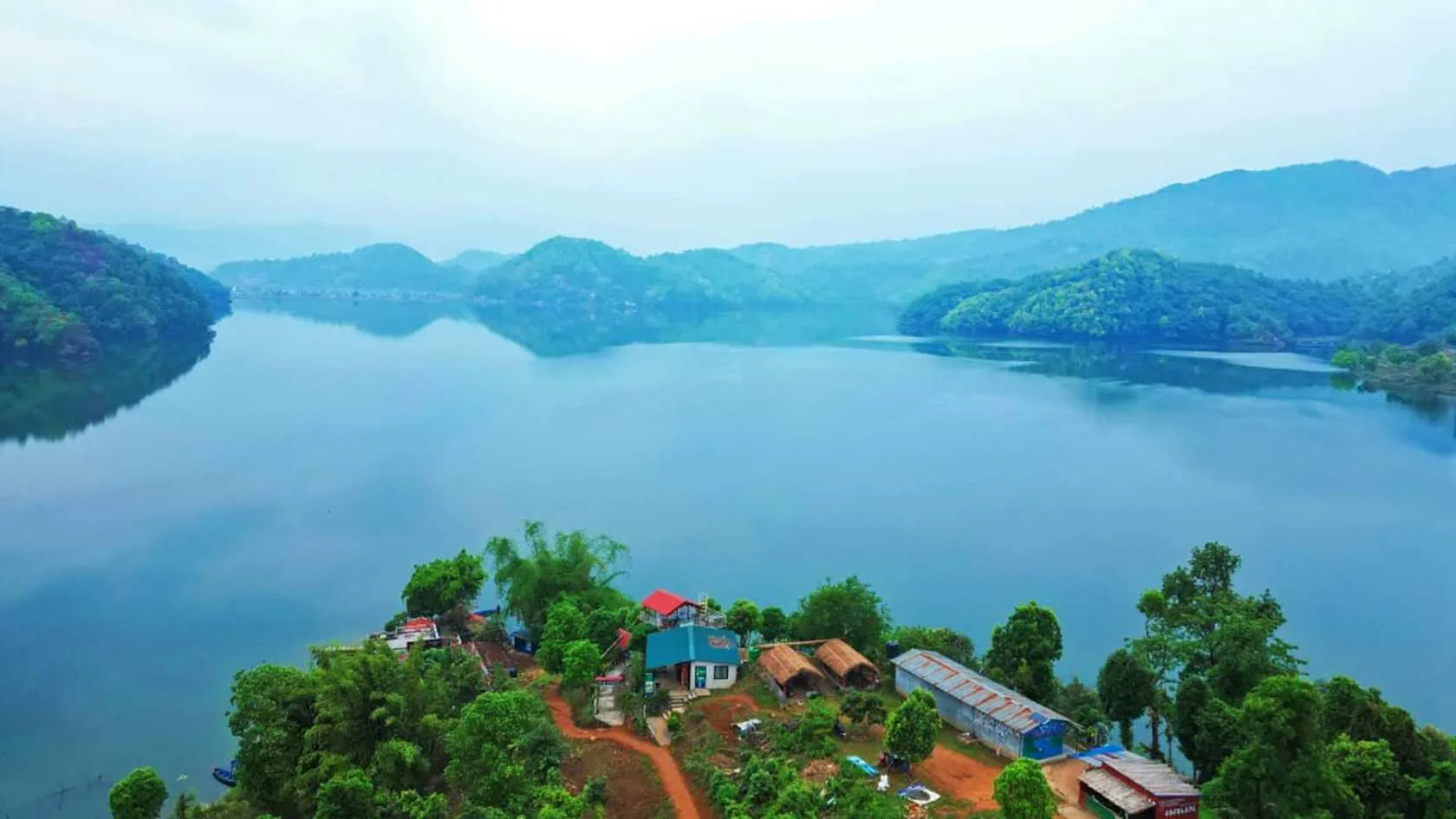
While everyone prefers Phewa Lake, locals will quietly tell you about Begnas and Rupa, two stunning sister lakes tucked away just outside Pokhara, where tranquility isn't just a promise, it's a guarantee. Begnas and Rupa are both the twin lakes that embrace its visitors in a silent yet the best way possible.
Begnas Lake, the larger of the two, offers that perfect balance of beauty and activity. Rent a boat and paddle out onto the glassy water, surrounded by lush green hills that seem to roll on forever. The silence here is different from Phewa, deeper, more complete. Watch local fishermen casting their nets in the early morning mist, or simply float and let the reflections of the surrounding mountains ripple gently around you. The shoreline invites leisurely walks where you're more likely to encounter grazing buffalo than tour groups.
Rupa Lake takes serenity even further. Smaller and less visited, it's where you go when your soul needs proper quiet. Bird watchers absolutely love it here; the lake attracts an impressive variety of species, and the peaceful atmosphere means you can actually hear their calls clearly across the water. Bring a book, find a spot on the shore, and just breathe. It's meditation-ready tranquility without even trying.
Both lakes offer crystal-clear air, spectacular Himalayan backdrops, and walking trails that meander along peaceful shores. They're perfect for a day trip when Pokhara's energy feels like too much, or when you simply want to remember what true peace feels like. No crowds, no noise, just you, nature, and Nepal's quiet magnificence.
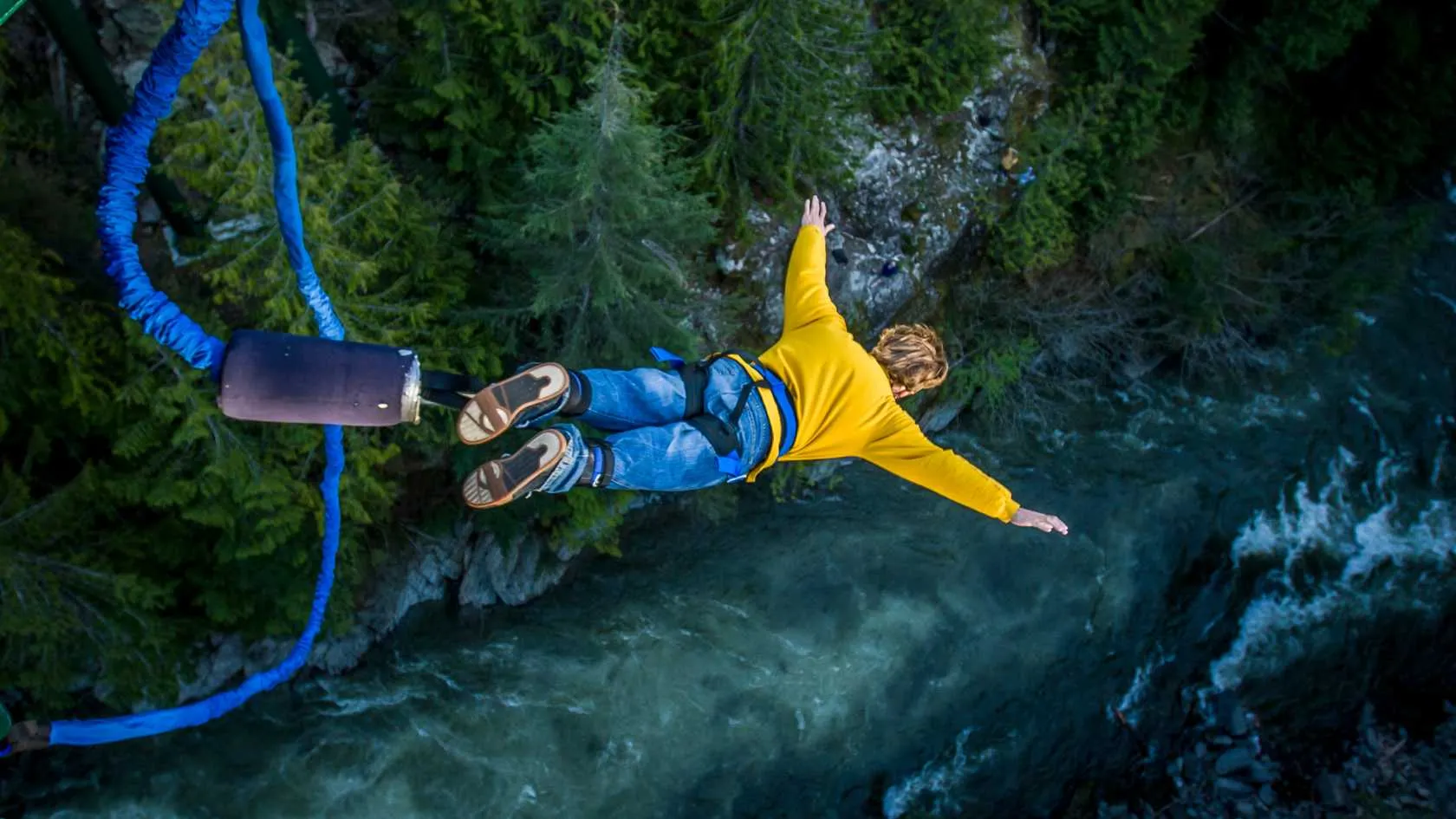
If your idea of a perfect day involves equal parts terror and euphoria, Pokhara is calling your name. This isn't just a pretty lakeside city; it's an adrenaline junkie's paradise where you can literally fly, fall, and zip through the Himalayas.
Let's start with the zip line, because holy cow. This isn't your average playground equipment. We're talking about one of the world's longest and steepest zip lines, 1.8 kilometers of pure, screaming excitement. You'll launch from a hilltop and rocket down at speeds that make your eyes water, suspended high above lush valleys with the wind roaring in your ears. The views are spectacular, though you might be too busy yelling to appreciate them on the first run fully.
If diving is more your style, Pokhara's bungee jumping delivers that stomach-dropping free fall from a 70-meter tower. There's that moment when you're standing on the edge, every logical part of your brain screams, "don't do it," but you jump anyway. You will feel the rush so indescribable and pure terror that melts into pure exhilaration with the Annapurna range as your witness.
If you want a gentler but equally amazing aerial adventure, ultralight flights offer that magical bird's-eye perspective. The small, open aircraft past Himalayan peaks, over turquoise lakes, and through mountain valleys allows you to fly like a bird and gives you views that photographs simply can't capture. It's intimate flying, just you, the pilot, and those magnificent mountains close enough to feel like you could reach out and touch them.
These aren't just thrills for thrills' sake; they're unforgettable ways to experience Pokhara's dramatic landscape from angles most people never see.
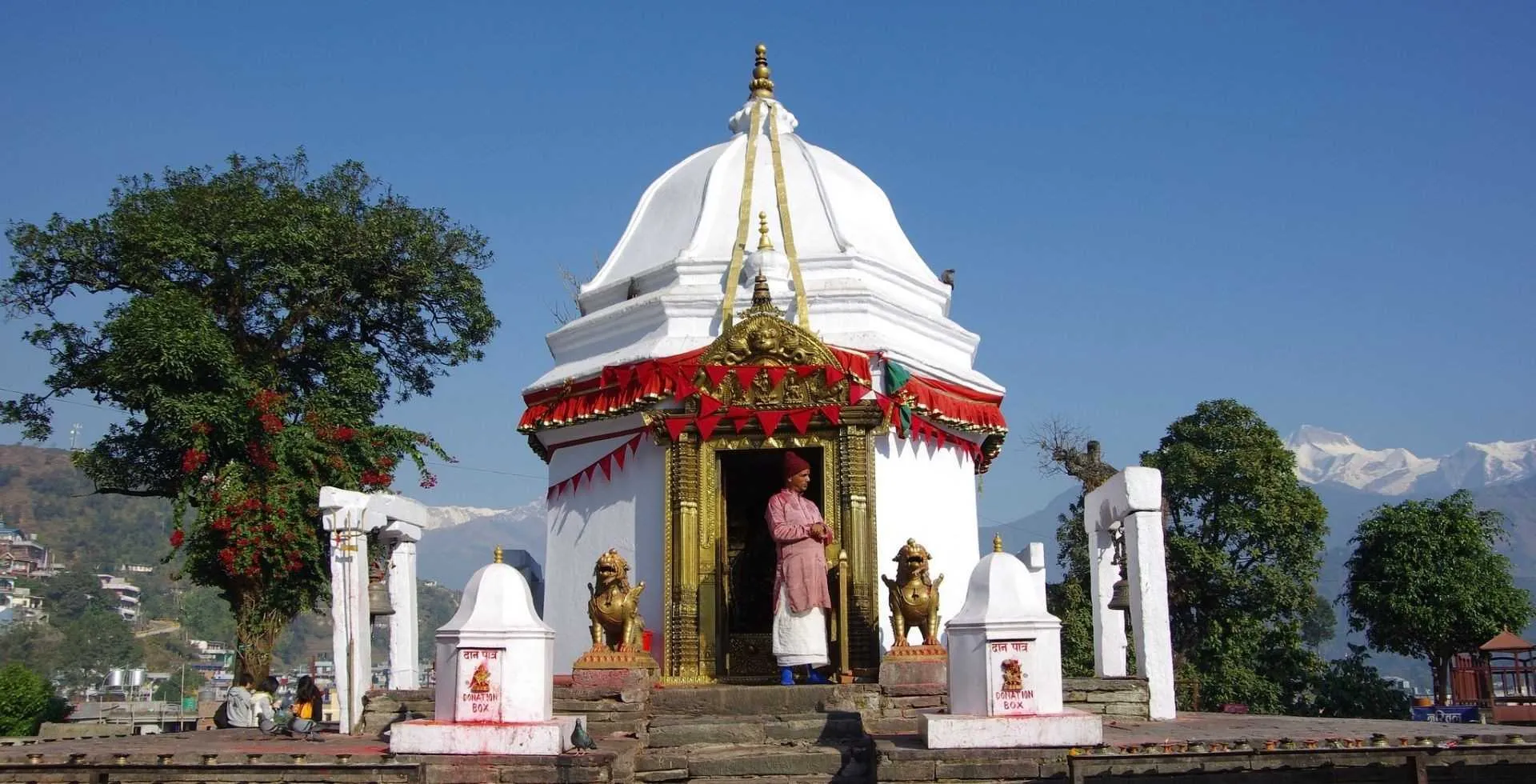
While lakeside Pokhara gets all the hype on social media, the real beauty of the city reflects in the Old Bazaar, which is a wonderfully maze of narrow lanes where locals actually shop and tradition isn't just preserved, it's lived every single day.
As you step into the Old Bazaar and you've stepped back in time, and the architecture tells stories, and the traditional Newari buildings with intricate woodwork, shops that have been family-run for generations, become a place where commerce and community intertwine.
As you browse through stalls overflowing with handicrafts, antiques, locally woven textiles, and items you won't find in the tourist shops, you’ll feel something so deep. Shopkeepers are often happy to chat when you are past them, share stories about their crafts while sipping tea, and this is authentic Pokhara, where you can live its history.
A short walk or a turnabout brings you to Bindhyabasini Temple, one of Pokhara's most sacred Hindu sites. Dedicated to Goddess Bhagwati (a fierce form of Durga), this temple isn't just religiously significant, but it's where locals come for blessings, celebrations, and quiet moments of devotion. The atmosphere shifts here, where the bazaar's chaos gives way to peaceful spirituality punctuated by ringing bells and the scent of incense.
Key Highlights:
The temple courtyard offers stunning Himalayan views as a bonus. If you're lucky enough to witness a puja ceremony, with chanting priests, butter lamps flickering, and devotees deep in prayer, you'll experience Nepali spirituality in its most genuine, moving form. It's culture, not as a performance, but as a daily practice.
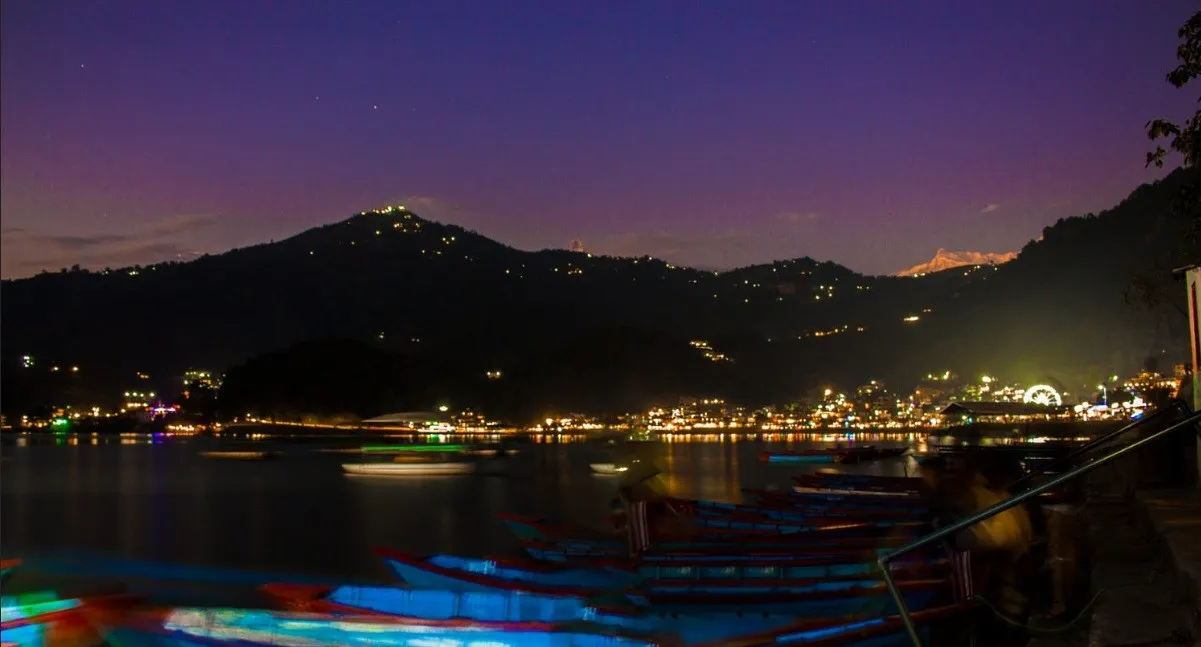
When the sun dips behind the mountains, Pokhara doesn't sleep; it just shifts gears. The lakeside transforms into a twinkling ribbon of lights, music, and laughter that stretches along Phewa Lake's shore.
Cozy bars and restaurants spill onto the sidewalks, their warm glow reflected in the dark water. You'll hear live music drifting from open doorways, maybe a local band covering classic rock, or traditional Nepali folk melodies played on madal drums that make your foot tap without permission. The vibe is refreshingly laid-back; this isn't about wild club scenes, it's about good company, cold beer, and conversations that stretch late into the night.
Dinner by the lake is magical. Whether you're craving dal bhat or wood-fired pizza, the food comes with a side of shimmering water views and mountain silhouettes against the starry sky. String lights twinkle overhead, candles flicker on tables, and everything feels just a little bit romantic, even if you're traveling solo.
Not in a party mood? No worries. A quiet evening stroll along the lakeside promenade, watching reflections dance on the water while the cool mountain breeze brushes your face, is equally perfect. Pokhara's nightlife adapts to your energy, whether you want to dance, dine, or simply drift through the peaceful evening. The lakeside welcomes you exactly as you are.
There's tourism, and then there's genuine cultural connection for tourists. Visiting Pokhara's Tibetan refugee camps falls firmly in the latter category, a deeply meaningful experience that stays with you long after you've left.
Established in the 1960s after thousands of Tibetans fled their homeland, these settlements have become vibrant communities where culture isn't just preserved, it's actively lived and celebrated. Walking through the camp, you immediately sense the resilience woven into every aspect of daily life. Despite being far from their ancestral home, the Tibetan spirit thrives here with remarkable strength and grace.
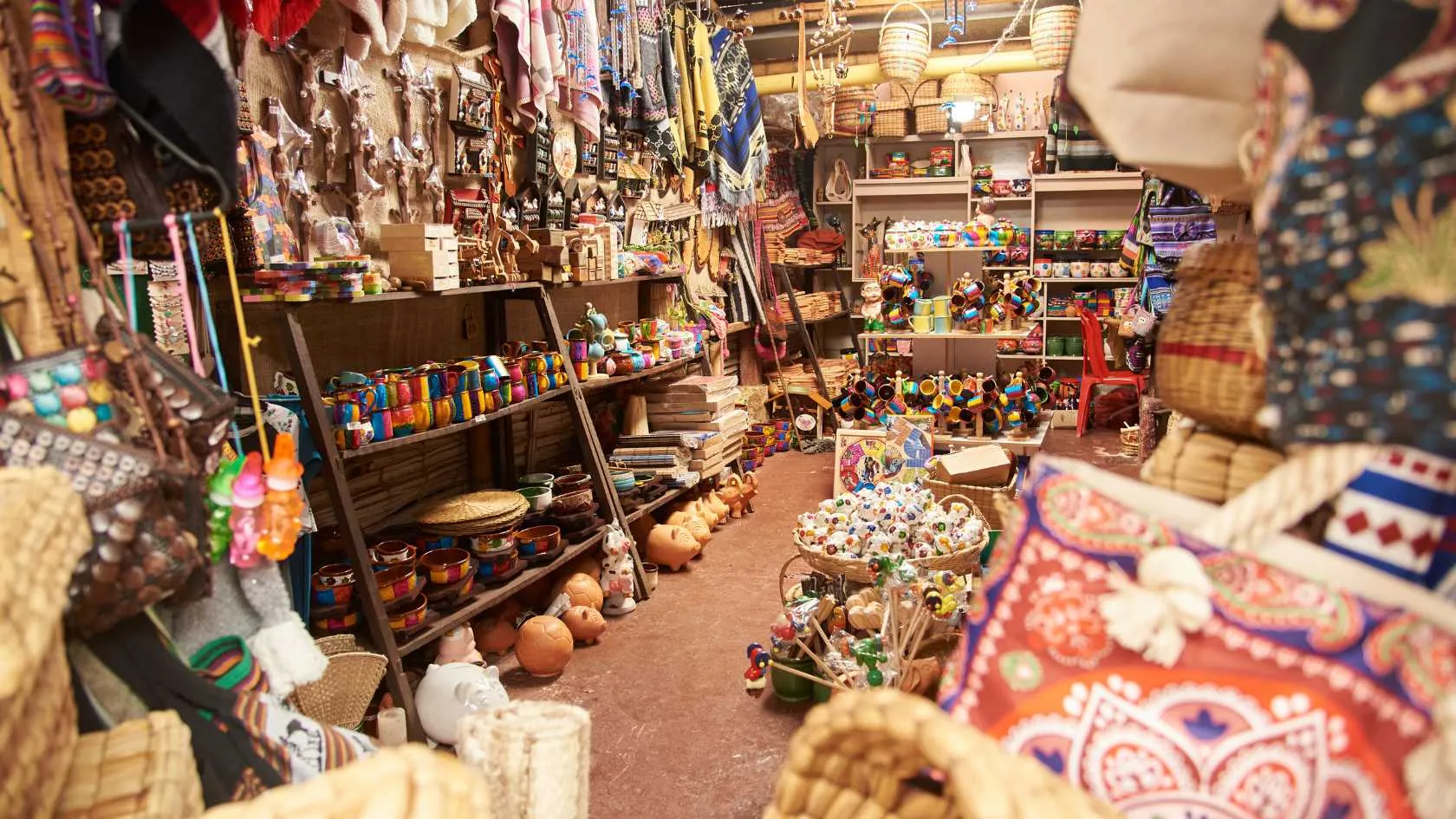
Watch artisans at work and you're witnessing living history where the skilled hands weave intricate carpets with traditional patterns passed down through generations. Jewelers craft silver pieces that are adorned with turquoise and coral. Thangka painters create stunning Buddhist artworks with meticulous detail and devotion. These aren't mass-produced tourist trinkets and they're authentic pieces of Tibetan heritage, and the craftspeople are genuinely happy to explain their techniques and the cultural significance behind their work.
The handicraft markets offer beautiful shopping with purpose. Every carpet, prayer flag, or handmade journal you purchase directly supports families maintaining their cultural identity in exile. These items carry stories of homeland, perseverance, and hope.
But perhaps the most valuable part of visiting is simply talking with people. Many residents are willing to share their stories, journeys across the Himalayas, memories of Tibet, hopes for the future. Their warmth and openness, despite difficult histories, is genuinely humbling. This isn't a typical tourist stop and it's a chance to connect with human resilience at its most inspiring.
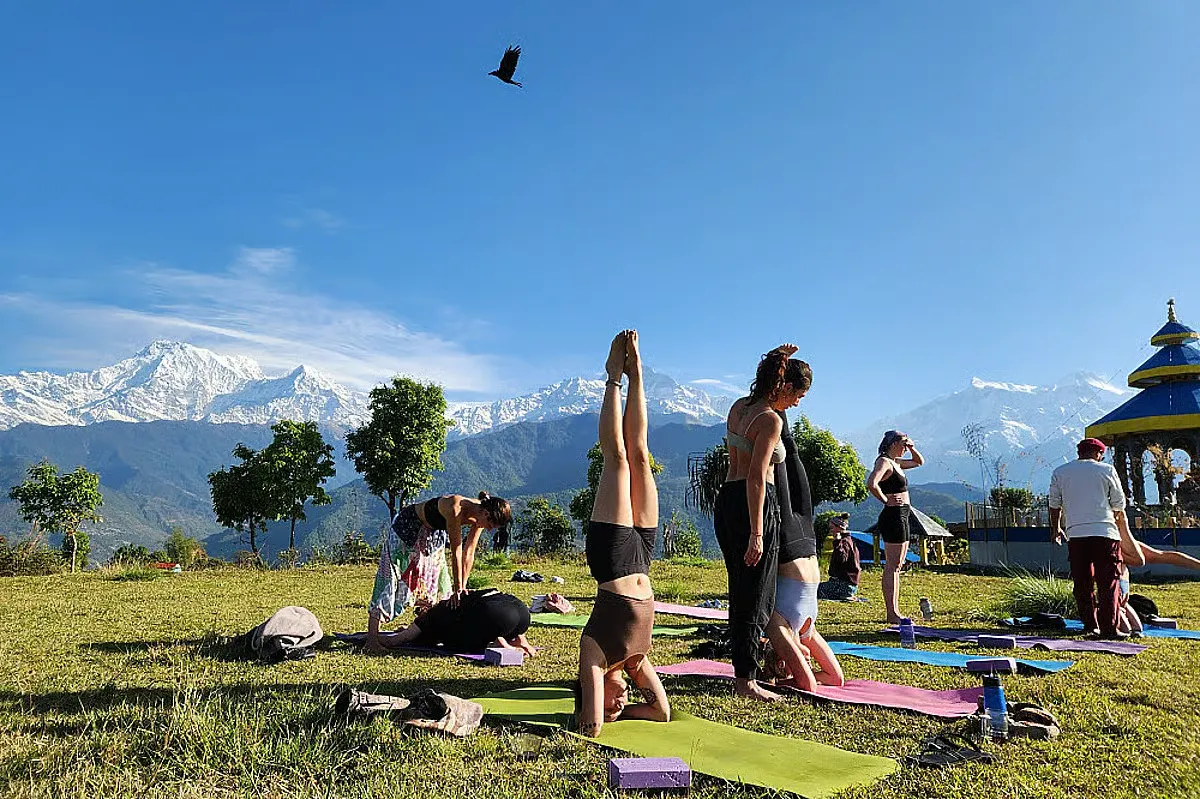
There's something almost unfair about doing yoga in Pokhara because while the rest of the world practices in studios with motivational posters, you're here with the Annapurna range as your backdrop, the sound of a distant waterfall replacing generic spa music, and mountain air so clean it feels like it's cleansing you from the inside out.
Pokhara has become a sanctuary for those seeking more than just a vacation, people come here to reset, reconnect, and remember what peace actually feels like. Wellness centers and retreat spaces dot the hillsides and lakeshores, each offering their own flavor of healing. Whether you're drawn to traditional Hatha yoga, flowing Vinyasa sequences, or deep meditation practices, you'll find experienced instructors who understand that wellness isn't one-size-fits-all.
Many retreats offer holistic therapies alongside yoga, Ayurvedic treatments, sound healing with singing bowls, massage therapies that melt away tension you didn't even know you were carrying.
But here's what makes Pokhara's wellness scene truly special: the environment does half the work for you. Something about being in the lullaby of mountain winds, breathing that pristine Himalayan air, and falling asleep to absolute silence makes inner peace feel less like hard work and more like a natural state you're simply remembering.
People arrive stressed, skeptical, or simply exhausted. They leave different, lighter somehow, more centered, carrying a piece of that mountain tranquility within them promoting wellness tourism in Pokhara. It's not magic, but honestly, it feels pretty close.
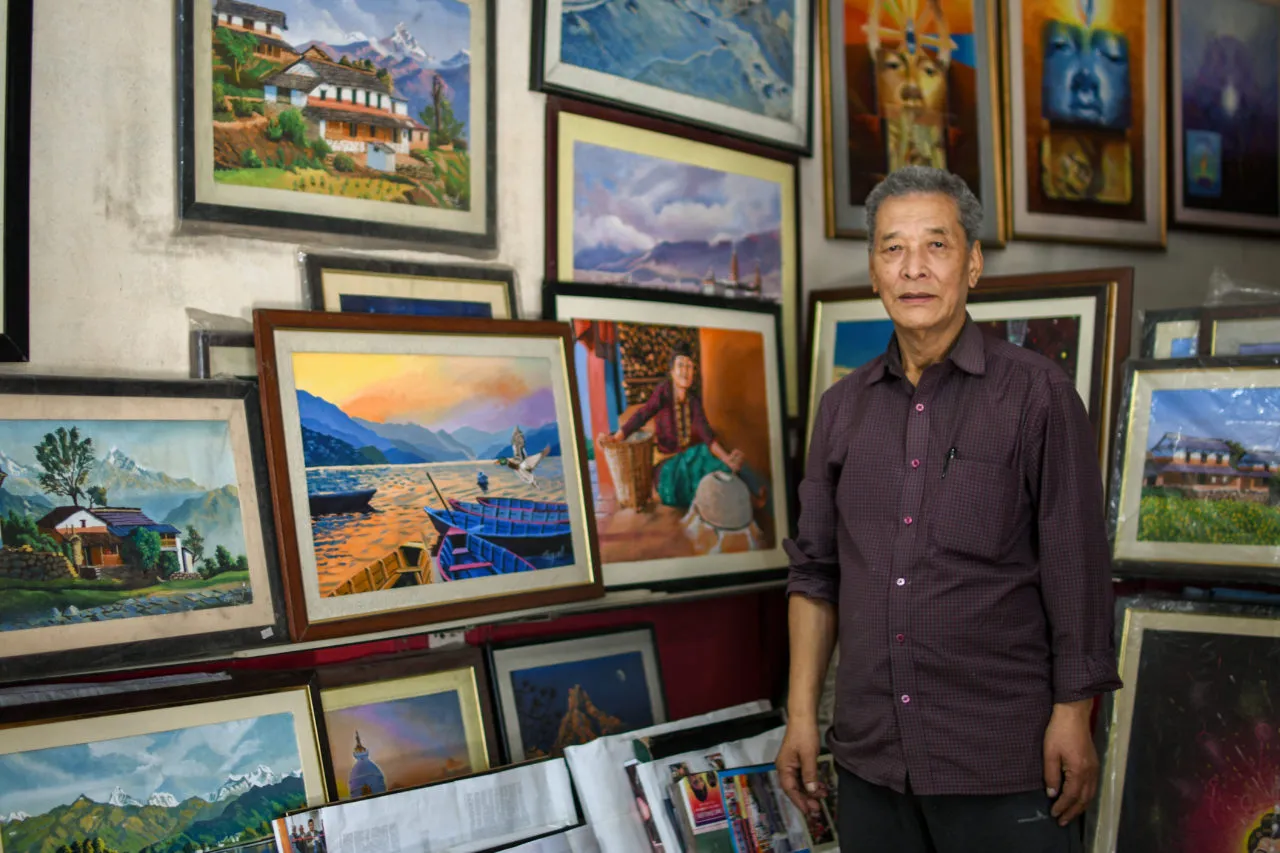
Beyond the mountains and lakes, Pokhara is full of a thriving creative spirit that surprises many visitors. This city isn't just about natural beauty, it's home to artists, storytellers, and curators preserving everything from delicate butterfly wings to tales of legendary warriors.
Wander into the local art galleries and you'll discover contemporary Nepali talent that deserves far more attention than it gets. Paintings capture Himalayan landscapes with intimate familiarity, sculptures blend traditional and modern sensibilities, and many galleries welcome visitors to try their hand at traditional art techniques. There's something wonderfully authentic about learning Nepali brush strokes or pottery methods directly from local artists who are genuinely passionate about sharing their craft.
The Annapurna Butterfly Museum is an absolute gem that catches people off guard. Who expects to find thousands of brilliantly colored butterflies, carefully preserved and displayed, in a mountain town? This small but fascinating collection showcases the incredible biodiversity of the region with blues, vibrant oranges, delicate patterns that seem almost too perfect to be real. Nature enthusiasts could easily lose an hour here, marveling at species they never knew existed.
Then there's the Gurkha Memorial Museum, which tells a different kind of story, one of courage, sacrifice, and the legendary Gurkha soldiers who've served with distinction worldwide. The exhibits honor their remarkable history with uniforms, medals, photographs, and personal stories that bring these brave individuals to life. It's moving, educational, and offers context you won't find in guidebooks.
Whether you're drawn to art, nature, or history, Pokhara's cultural spaces reveal layers of the city most tourists never discover.
Pokhara is filled with unique experiences often overshadowed by its main attractions. Delve deeper to uncover these hidden gems. Begin with the Annapurna Butterfly Museum. It's less known but offers a fascinating glimpse into local biodiversity. Perfect for nature lovers interested in entomology.
The Seti River Gorge is another underappreciated treasure. Carved by powerful waters, this natural spectacle showcases the wonder of erosion. A walk along the gorge is both educational and awe-inspiring.
For those seeking quieter escapes, venture to nearby villages. Experience rural life and Nepali hospitality firsthand. These trips provide an authentic taste of local culture.
Here are some suggested local experiences:
With so many options, Pokhara promises both adventure and tranquility. Its hidden gems enrich any itinerary, providing memories beyond the ordinary.
Pokhara's accessibility makes it a top destination in Nepal and the city is reachable by both air and road. Regular flights from Kathmandu bring visitors to Pokhara’s airport swiftly. The scenic bus ride from Kathmandu, though longer, offers breathtaking views of the Himalayas.
Once in Pokhara, transportation is easy to navigate and taxis are prevalent and ideal for short trips or reaching specific attractions. For a more immersive experience, renting a bicycle lets you explore at your own pace. Alternatively, local buses provide a cost-effective option, though less comfortable.
Choosing where to stay in Pokhara depends on your preferences and budget. Lakeside is the most popular area, filled with hotels, cafes, and souvenir shops. It's vibrant and perfect for those who enjoy being close to nightlife and restaurants.
For a more serene environment, consider staying in the Sarangkot area. This location offers stunning sunrise views over the Annapurna range. Accommodations here range from budget-friendly guesthouses to boutique lodges.
Here’s a quick breakdown of accommodation options:
In Pokhara, you're never far from natural beauty or cultural experiences. Whether you're a backpacker or a luxury traveler, the city has something to offer. This versatile mix ensures a comfortable and memorable stay for any visitor.
Pokhara is a culinary delight and a paradise for food lovers, offering dishes that showcase the rich flavors of Nepal which is a must-try including dishes dal bhat, a traditional meal consisting of lentil soup, rice, and assorted curries. This staple dish provides a hearty, fulfilling experience.
Another local favorite is Mo:Mo, Nepal’s version of dumplings. These come steamed or fried and are often stuffed with vegetables or meat. Momos are a popular choice among both locals and tourists.
Pokhara's street food scene adds excitement to your culinary journey. Try pani puri, a spicy and tangy snack that explodes with flavor in each bite. It's an adventurous option for those looking to try something new.
Here are some unique dining experiences to explore:
In Pokhara, food isn’t just nourishment but it's a part of the cultural adventure. Whether trying traditional Nepali dishes or international fare, every meal is a delightful experience.
Visiting Pokhara can be the highlight of your Nepal trip, which you should begin by checking the local weather forecast, as conditions can change rapidly in the region. Consider the time of year when planning your visit. The fall season, from September to November, offers clear skies and mild temperatures, ideal for outdoor activities.
The local currency used in Nepal is the Nepalese Rupees which is used for transactions all over Nepal. It is considered wise to carry some cash for small expenses and local markets as cards may not work everywhere. ATMs are available but can be limited in remote areas making it important to carry cash.
Here are some tips to enhance your trip:
Lastly, always prioritize safety, whether you're trekking or enjoying city life. Pokhara is welcoming, and these simple tips will help make your adventure memorable.
So there you have it, 15 incredible ways to experience Pokhara, and honestly, we've only scratched the surface because when you actually do it, you’ll have countless reasons to fall in love with Pokhara.. This city has a rare gift: it somehow manages to be everything to everyone without losing its authentic soul, and travelers love this about Pokhara.
Whether you came for interesting adventures or soul-soothing serenity, mountains of Pokhara or cultural immersion, Pokhara delivers with a grace that few destinations can match. You can paraglide over the valley at sunrise, meditate at a peaceful temple by afternoon, and watch the stars reflect on Phewa Lake by evening, all in a single unforgettable day.
What makes Pokhara truly special isn't just the spectacular scenery or the exciting activities, though those certainly help. It's the feeling you get here and the perfect blend of adventure and peace, excitement and tranquility. It's the way locals greet you with genuine warmth. It's waking up to Himalayan peaks outside your window and realizing this isn't a screensaver, it's your actual view. Everything looks unreal to believe but irony, its all true.
Some places you visit and then leave. Pokhara? It follows you home. You'll find yourself months later, stuck in traffic or sitting at your desk, suddenly remembering that sunrise at Sarangkot or that peaceful afternoon by the lake, and you'll smile. Because Pokhara doesn't just give you memories, it gives you moments that become part of who you are.
Your Pokhara story is waiting. Make it yours.
The best time to visit is during the fall (September to November) and spring (March to May). These seasons offer pleasant weather, clear skies, and excellent views of the mountains.
Yes, December is a good time to visit Pokhara, even though winter has arrived, because the days are warm. The mornings and evenings might be cold, but the daytime temperatures are stable, offering crisp views of the mountain and surroundings.
Pokhara is a famous city of Nepal that is famous for its natural beauty, lakes, mountains, and rivers, and it is also known as the gateway to trekking in the Annapurna region of Nepal. Pokhara is also famous for adventure activities such as Paragliding, Bungee Jumping, Ziplining, and more.
Yes, Pokhara has a nightlife because the nightlife of Pokhara is very popular in Nepal around Lakeside, Pokhara, with the buzzing sound of live music, lively cafes in action, and more.
No, Pokhara is not the capital city of Nepal because Kathmandu is. However, Pokhara is considered the tourism capital of Nepal for the tourist attractions it has, and some people even consider it the adventure capital of Nepal.
The mountains that are seen from Pokhara include the Annapurna mountain range, including Annapurna I, Annapurna II, Annapurna III, and Annapurna IV, and the closest is the iconic Machhapuchre(Fishtail), along with the glimpses of Manaslu and Dhaulagiri.
Yes, Solo Boating can be done in Pokhara, as it is a popular tourist activity where you can hire a boat for yourself at an hourly rate and even hire a boatman for a longer trip around the lake.