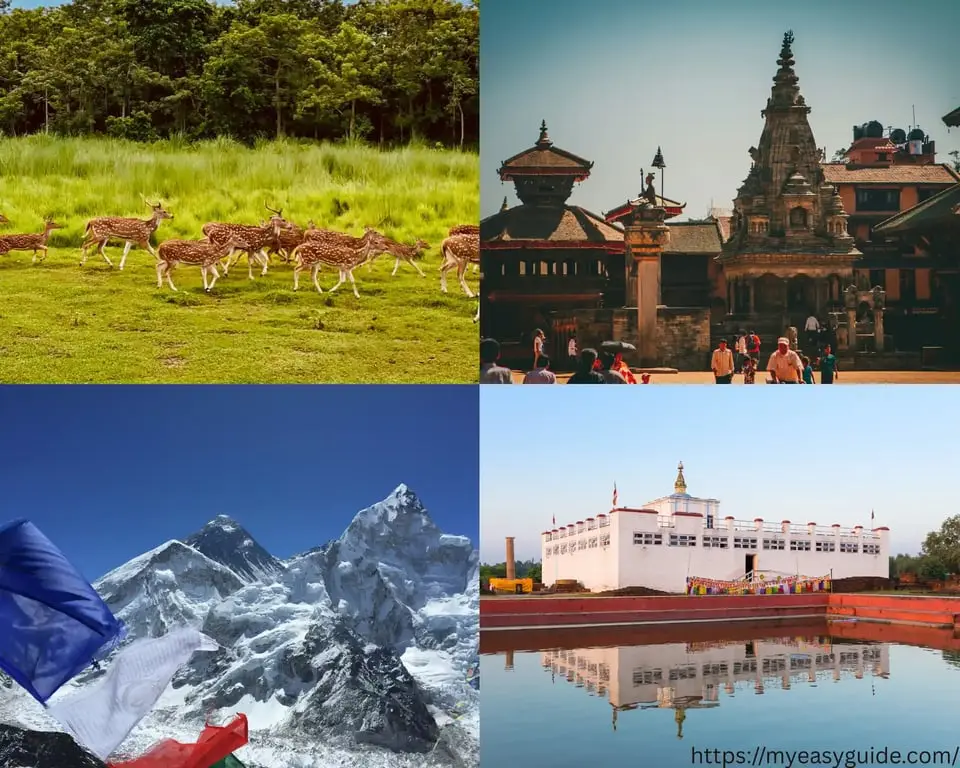
Do you know? The medieval cities of this land reflect a blend of Hindu and Buddhist traditions in architecture, festivals, and rituals. Nepal is a land of stunning landscapes and rich cultural heritage. This country stands proudly in the heart of the Himalayas, and it offers a unique blend of natural beauty and historical significance. Among its treasures are the UNESCO World Heritage Sites, which showcase the country's diverse cultural and natural heritage.
These sites are not just tourist attractions, but they are living museums that represent this land. They tell stories of ancient civilisations and spiritual traditions. Each site offers a glimpse into Nepal's past and its vibrant present.
The Kathmandu Valley is a highlight, with its intricate temples and palaces and also a testament to the artistic achievements of the Newar civilisation. Lumbini, the birthplace of Lord Buddha, is a pilgrimage site for Buddhists worldwide and a memorable place, as Buddhism in Nepal is a surreal aspect of identity in this country.
Chitwan National Park and Sagarmatha National Park are natural wonders, and these national parks are not just natural heritages to be admired but are also home to diverse wildlife and breathtaking landscapes. These parks highlight Nepal's commitment to conservation and biodiversity.
Exploring these sites is a journey through time, and not to miss that it's an opportunity to connect with Nepal's rich history and vibrant culture. Whether you're very much passionate about history or a nature lover, Nepal's UNESCO World Heritage Sites offer something for everyone.
UNESCO World Heritage Sites hold global importance. These sites are recognised for their exceptional cultural or natural value as they help preserve human history and the planet's natural beauty.
To become a UNESCO site, a location must meet strict criteria. These include representing a masterpiece of human creativity or containing a unique cultural tradition. Natural sites must exhibit outstanding natural phenomena or areas of exceptional beauty.
Once designated, these sites gain international protection and recognition. This helps ensure their preservation for future generations. It also raises awareness of their significance worldwide.
There are three main types of heritage sites:
In Nepal, the designation of World Heritage Sites supports local conservation efforts. It also boosts tourism, drawing visitors eager to experience world-renowned locations.
Understanding these sites emphasises the importance of conservation. It encourages global responsibility to protect cultural and natural heritage as well as maintain our shared history and environment.
Nepal's UNESCO World Heritage Sites offer rich insights into the country's diverse history. They reveal the complexity of human-nature interactions in this mountainous region. Each site is a window into Nepal's vibrant past and ongoing cultural evolution.
Nepal hosts a total of ten UNESCO World Heritage Sites, which is a unique aspect in itself. These sites are a testament to the country's rich cultural and natural heritage. They offer a unique glimpse into the vibrant history of the founding of Nepal, development and stunning landscapes.
In Nepal, these sites are grouped into two categories: cultural and natural. The cultural sites are concentrated in the Kathmandu Valley, showcasing intricate architecture and sacred temples. The natural sites highlight Nepal's diverse ecosystems and breathtaking natural beauty.
Here is a list of Nepal's UNESCO World Heritage Sites:
Cultural Sites:
Natural Sites:
The combination of these sites demonstrates the country's commitment to preserving its historical and natural treasures. Each site holds significant value, attracting thousands of visitors each year.
Visiting these sites provides insight into Nepal's enduring cultural practices. It also highlights the nation's dedication to conserving its unique environmental habitats. Exploring these sites reveals Nepal's dedication to safeguarding its cultural identity and natural beauty for future generations.
The Kathmandu Valley, often referred to as a living museum, brims with historical wonders. It's home to seven distinct groups of monuments, each with profound cultural significance.
This valley is a focal point of Nepal's cultural heritage. The ancient sites within it are mostly from the Newar civilisation, showcasing exceptional urban planning. The art and architecture reflect a stunning blend of Hinduism and Buddhism, creating a unique aesthetic.
A highlight in the valley is its intricate woodwork and stone carvings. These artistic elements are prominent in many temples and palaces. They have stood the test of time, showcasing the craftsmanship of Nepalese artisans.
The Kathmandu Valley's monuments include:
These sites offer visitors an immersive experience of the history of Nepal. Walking through them feels like travelling back in time. The vibrant cultural festivals held here further enrich the experience.
Preserving these sites is vital, as they symbolise Nepal's cultural identity. Their architectural styles are diverse, featuring pagoda, shikhara, and stupa designs. The valley's UNESCO status helps protect these treasures for posterity, as it was preserved for us.
Visiting these heritage sites offers insight into Nepal's rich historical narrative. It's a journey through the spiritual and cultural evolution of the nation.
Kathmandu Durbar Square stands at the heart of the city, embodying centuries of cultural heritage. It's a vibrant public space that has been a focal point for ceremonies and festivals.
The square features intricately carved wooden facades. It's a display of Newar architecture, showcasing exquisite craftsmanship. Temples, shrines, and palaces surround the square, each with a unique story to tell.
The Hanuman Dhoka Palace, once the royal residence, is a key attraction. Its towering architecture captivates visitors, offering a glimpse into the past. Nearby, the Taleju Temple stands with its ornate facades, a testament to Nepal's spiritual artistry.
Highlights of Kathmandu Durbar Square include:
The square buzzes with activity, drawing locals and tourists alike. It's a place where history comes alive, with stories etched into every corner. Cultural events held here give insight into traditional Newar life.
The preservation of Kathmandu Durbar Square is a crucial factor for maintaining Nepal's cultural legacy. Its historical significance requires dedicated efforts for restoration and protection. The UNESCO designation aids these efforts, ensuring its survival for future generations.
Visiting Kathmandu Durbar Square is more than sightseeing. It's an opportunity to connect with Nepal's vibrant history and cultural richness.
Patan Durbar Square, situated in the Lalitpur district, is a marvel of ancient art. The square is adorned with exquisite temples and palace courtyards, representing the pinnacle of Newari architecture.
Rich in religious sites, the square is known for its iconic Krishna Mandir. This temple, carved entirely from stone, reflects Nepal's fusion of Hindu and Buddhist traditions. Every structure within the square exudes charm and intricate detailing.
Around the square, visitors find various smaller temples and statues. Each offers a unique insight into the region's spiritual practices. The Royal Palace, now a museum, houses historical artifacts that illustrate Nepal's diverse cultural evolution.
Key attractions in Patan Durbar Square include:
The square is teeming with life, hosting festivals that showcase local traditions. Patan's streets and alleys are perfect for exploring the intricate carvings and rich history.
UNESCO protection has been crucial for conserving Patan Durbar Square. Restoration projects ensure it remains a testament to Nepal's artistic and cultural heritage. The site draws countless visitors eager to experience its historical ambience.
For history buffs, Patan Durbar Square offers a profound insight into Nepal's artistry. Its charming architecture and vibrant culture leave a lasting impression.
Bhaktapur Durbar Square offers a glimpse into medieval Nepal. Its well-preserved historical environment transports visitors to a time of grandeur.
The square, a UNESCO World Heritage Site, houses a collection of impressive monuments. Temples, courtyards, and fountains illustrate the zenith of the Malla period. The square's layout demonstrates thoughtful urban planning with an eye for detail.
Nyatapola Temple, a towering pagoda, is an architectural masterpiece. Standing five stories high, it reflects stability and beauty. Nearby, the 55 Window Palace captivates with its ornate wooden beams and artistic windows.
Notable features of Bhaktapur Durbar Square include:
The bustling marketplace adds vitality to the square. Traditional crafts and pottery line the streets, showcasing local artistry.
Efforts to preserve Bhaktapur Durbar Square protect its cultural significance. Restoration projects continue to maintain their historical allure. As a UNESCO site, it enjoys international recognition and support.
Visiting Bhaktapur Durbar Square feels like stepping into a living museum. Its timeless beauty and rich history captivate all who wander its pathways.
Swayambhunath Stupa, which watches the valley from the top of the hill, offers panoramic views of Kathmandu Valley. Known as the Monkey Temple, it's a popular spiritual site with ancient roots.
The stupa is surrounded by myth and legend, and it is believed to be self-emergent, representing enlightenment. The white dome and all-seeing eyes symbolise wisdom and compassion.
This sacred site attracts many pilgrims and tourists. The iconic stairway with its 365 steps leads to the temple area. Monkeys roam freely, adding charm to the tranquil setting.
Key elements of Swayambhunath include:
The site combines both Hindu and Buddhist elements. Its fusion of religious practices offers insight into Nepal's spiritual dynamics.
Conservation efforts help maintain Swayambhunath's historical integrity. As a UNESCO site, it benefits from global attention and preservation support. Visiting provides a glimpse into the spiritual life of Nepal.
The serene atmosphere and symbolic art make Swayambhunath a must-see destination. It's a place of peace, offering reflection amidst the bustling city below.
Boudhanath Stupa, one of the largest in the world, stands as a centre of Tibetan Buddhism in Nepal. Its massive mandala structure is an imposing sight, drawing visitors seeking peace and reflection.
The stupa is considered a symbol of enlightenment. The all-seeing eyes on its golden spire represent the watchful presence of Buddha. This spiritual beacon attracts pilgrims from around the globe.
Surrounding the stupa are numerous gompas, or monasteries. These are places of worship and meditation, providing a serene backdrop. The scent of incense and the sound of prayer wheels create a tranquil ambience.
Noteworthy features of Boudhanath Stupa include:
The area is bustling with activity, full of vibrant culture and tradition. Local shops offer traditional goods, enhancing the cultural experience.
Efforts to preserve Boudhanath are crucial to maintaining its spiritual heritage. Being a UNESCO World Heritage Site, it enjoys protection and careful restoration.
Visiting Boudhanath Stupa provides insight into Buddhist practices and teachings. It's a sanctuary of calm, offering spiritual solace to all who enter.
Pashupatinath Temple, a sacred Hindu site, stands on the banks of the Bagmati River. As one of the oldest temples in Kathmandu, it holds deep cultural significance.
The temple complex serves as the religious heart for Hindus in Nepal. It's renowned for its striking pagoda architecture and intricate carvings. The main temple is dedicated to Lord Shiva, a principal deity in Hinduism.
Within the complex, rituals and cremations occur daily. The ghats along the river are a place for both life and the afterlife, central to Hindu beliefs.
Highlights of Pashupatinath Temple include:
Visitors witness the profound spiritual ambience of the site. It's a place where faith and tradition meet, reflecting Nepal's spiritual depth.
The temple's protection under UNESCO is vital for preserving its cultural essence. Preservation and restoration projects ensure its longevity and historical accuracy.
For spiritual seekers, Pashupatinath offers a deep connection to Hindu culture. It's a profound place, attracting pilgrims and explorers alike.
Changu Narayan Temple is located on a hilltop, offering stunning views of the surrounding areas. As one of the oldest Hindu temples, it stands as a testament to Nepal's rich religious history.
The temple is intricately decorated with carvings depicting deities and mythical beasts. Its complex design showcases the finest craftsmanship of the Licchavi period. The revered Vishnu sculpture, dating back centuries, draws both pilgrims and art lovers.
Highlights of the Changu Narayan Temple include:
Visitors can explore the serene surroundings, immersed in the site's spirituality. The temple's peace and architectural beauty create a reflective atmosphere.
Maintaining Changu Narayan's cultural value is essential. Its UNESCO designation aids in its protection, ensuring this historical gem endures. Restoration initiatives preserve its artistry for future generations.
For those interested in Nepal's ancient heritage, the Changu Narayan Temple is an exceptional visit. It's a harmonious blend of art, history, and spirituality.
Lumbini holds immense spiritual significance as the birthplace of Lord Buddha. It's a UNESCO World Heritage Site, treasured worldwide for its historical and religious importance.
This tranquil site attracts Buddhists and tourists from around the globe. It's a peaceful sanctuary where visitors can reflect and find inspiration. The historical and archaeological wonders of Lumbini are captivating parts of the land of Lumbini.
The Sacred Garden is central to the area's allure. It contains ancient remains, offering glimpses into the distant past. Visitors often walk the sacred grounds, imagining the life of Buddha.
Significant features of Lumbini include:
Efforts to preserve Lumbini focus on protecting its spiritual and historical elements. It's not only a pilgrimage site but also a cultural heritage emblem. Its global importance is underscored by ongoing conservation projects.
Visitors experience Lumbini's serene atmosphere, a stark contrast to the hustle of modern life. This UNESCO site is a haven for those seeking a deeper connection with Buddhist history.
A journey to Lumbini is both educational and transformative. It's a place where history, spirituality, and peace converge, leaving a lasting impact on all who visit.
The Maya Devi Temple is the heart of Lumbini, and it marks the spot where Queen Maya Devi gave birth to Siddhartha Gautam, the future Buddha.
The temple complex is a blend of ancient architecture and contemporary conservation. Surrounding the main temple, visitors find ruins of monastic structures. These reflect the deep historical roots of Buddhism.
Central to the complex is the sacred pond. Legend states that Queen Maya Devi bathed here before the birth. This site is spiritually significant for pilgrims and tourists alike.
Highlights of the Maya Devi Temple include:
Visiting this temple offers an intimate glimpse into Buddhist tradition. It provides an immersive experience, allowing for personal reflection and meditation.
As a UNESCO Heritage Site, it's under protection for its profound historical significance. Conservation efforts aim to preserve the temple's delicate remains for future generations.
Lumbini's international monasteries offer a vibrant pilgrimage experience. These diverse religious structures create a unique spiritual landscape.
Each monastery reflects the architectural style of its home country. They provide cultural insights through their unique designs and ceremonies. These institutions highlight Buddhism's global reach and influence.
Key monasteries and their features include:
The monastic zone's peacefulness encourages introspection. Pilgrims and visitors walk the paths, absorbing the spiritual ambience. The experience is profound, enriching visitors' understanding of global Buddhism.
Lumbini's international monasteries symbolise unity through diversity. Each contributes to the region's spiritual and cultural richness.
In the lower plains of the Terai, Nepal's subtropical lowlands, Chitwan National Park is a wildlife paradise. It stands as a testament to Nepal's commitment to conservation and biodiversity.
Recognised as a UNESCO World Heritage Site, Chitwan offers a unique blend of wilderness and tranquillity. Its lush forests and grasslands support a diverse array of species.
Established in 1973, it was Nepal's first national park. Covering over 932 square kilometres, Chitwan is a vital haven for endangered species. The park's efforts have been instrumental in protecting wildlife and habitats.
Visitors can witness impressive wildlife, including the elusive Bengal tiger. Chitwan's landscapes and natural beauty captivate nature enthusiasts and adventurers.
Major highlights of Chitwan National Park include:
Chitwan's importance extends beyond its borders. It serves as an educational model for biodiversity management. The park is pivotal in demonstrating effective wildlife conservation strategies.
A visit to Chitwan offers a chance to connect with nature on a profound level. It presents an unmatched opportunity to engage with Nepal's rich ecological heritage.
Chitwan National Park is renowned for its rich biodiversity. It shelters many species, some of which are globally endangered. These include the Bengal tiger and the one-horned rhinoceros.
Conservation efforts in Chitwan have been notably successful. Decades of protection and management have led to significant results. The park works collaboratively with local and international organisations.
Key initiatives focus on habitat preservation and anti-poaching measures. Conservation strategies have proved vital in safeguarding Chitwan's wildlife.
Focus areas of conservation in Chitwan include:
The park's biodiversity draws researchers and ecologists worldwide. Its thriving ecosystems are a living classroom for sustainable practices.
Chitwan's achievements are significant, contributing to Nepal's environmental preservation legacy. Its future rests on continuous commitment to ecological harmony.
Chitwan National Park offers an immersive jungle experience. Visitors can explore its vast landscapes through various activities.
Jungle safaris are a popular way to witness Chitwan's wildlife. Riding atop elephants or in a jeep, tourists venture into the wilderness. This experience offers a direct view of the park's natural inhabitants.
Boat rides along the Rapti River provide a peaceful alternative. Visitors spot diverse bird species and occasionally witness basking crocodiles.
Noteworthy activities in Chitwan include:
The park's visitor centres provide additional educational opportunities. They offer insights into Chitwan's conservation journey and its ongoing efforts.
Interacting with local communities enhances the visitor experience. Cultural performances and village tours add depth to the understanding of local life. Chitwan's array of activities makes it a must-visit for nature enthusiasts. Its blend of adventure, education, and culture ensures an enriching experience.
Sagarmatha National Park is a crown jewel in Nepal's natural heritage. It is famed for encompassing the world's highest peak, Mount Everest. This majestic park is an outdoor enthusiast's paradise.
Declared a UNESCO World Heritage Site in 1979, Sagarmatha spans an area of over 1,148 square kilometres. It boasts incredible landscapes, from rocky valleys to snow-capped mountains. This stunning terrain offers breathtaking vistas that captivate every traveller.
The park is home to unique flora and fauna. Diverse species such as snow leopards, Himalayan tahr, and red pandas roam its wilderness. The rich biodiversity enriches the natural allure of Sagarmatha.
Mount Everest is in Nepal and stands as a beacon for adventurers and climbers worldwide. Its snow-clad peak represents an iconic challenge. Yet, Sagarmatha provides far more than just a climbing destination.
Visitors can embark on various trekking routes, experiencing the region's raw beauty. Sagarmatha offers tranquillity amid the mesmerising backdrop of the Himalayas. The park allows exploration of its high-altitude ecosystems and dramatic gorges.
Highlights of Sagarmatha National Park include:
Sagarmatha's exceptional natural beauty and ecological significance are unquestionable. It serves both as a haven for exploration and a sanctuary for reflection.
The Sherpa people hold a profound connection with Sagarmatha National Park. Their culture is deeply intertwined with the spiritual essence of the Himalayas.
Sherpas are renowned for their mountaineering skills and resilience. They play a pivotal role in Everest expeditions, guiding climbers through dangerous terrains. Their intimate knowledge of the mountains is unparalleled.
The spiritual significance of Sagarmatha cannot be understated. The Sherpas regard Everest, or "Chomolungma," as sacred as the goddess mother of the world and sky. It is pivotal to their cultural identity and religious beliefs.
Significant aspects of Sherpa culture include:
The Sherpas' unique traditions and hospitality enrich the visitor experience. Engaging with their community offers insights into a profound way of life.
Sagarmatha represents more than natural beauty; it is a testament to the enduring Sherpa legacy. The region's cultural resonance and spiritual significance offer invaluable insights.
Sagarmatha National Park is a premier destination for trekkers and adventurers, where its vast network of trails attracts explorers from across the globe.
The Everest Base Camp trek is world-renowned, and it offers panoramic views of towering peaks and lush valleys. The journey, among the top base camp treks in Nepal, provides a sense of achievement beyond measure. The feeling of standing beneath the World’s highest mountains makes you and your problems feel negligibly small.
Adventure in Sagarmatha goes beyond trekking as it encompasses opportunities for high-altitude mountaineering and eco-tourism activities. Each offers unique ways to engage with the park’s sublime environment.
Popular adventure experiences include:
Sagarmatha's diverse trails cater to various skill levels, from novices to seasoned trekkers. The park’s pristine landscapes and atmosphere make each trek unforgettable.
Adventure in Sagarmatha blends physical challenge with breathtaking scenery. It invites a deeper connection to the Himalayas and their enduring allure.
Nepal's UNESCO World Heritage Sites are brimming with cultural vibrancy. They provide a stunning backdrop for numerous festivals and traditional celebrations throughout the year.
Kathmandu Valley is a centre of cultural heritage in Nepal, as the valley is home to various heritage sites, including temples, stupas, shrines and more. The valley’s historical sites are stages for cultural rituals and traditional events. These festivals offer a window into the rich traditions of the Newar community.
Among the most celebrated events is Indra Jatra, held in Kathmandu Durbar Square. This week-long festival honours Indra, the god of rain and harvest. It features vibrant dances, music, and the spectacular chariot procession of Kumari, the living goddess.
Patan Durbar Square is known for its Rato Machhendranath Jatra. This festival draws thousands as a massive chariot rolls through the streets. It symbolises hope for rain and prosperity during the monsoon season.
Bhaktapur, famous for its Bisket Jatra, comes alive in spring. This unique celebration involves the pulling of massive chariots and traditional street battles. The festival marks the Nepali New Year and concludes with the raising of the Yosin pole.
Significant festivals include:
These festivals offer deep insight into Nepal's multifaceted cultural fabric. The joyous occasions involve not just locals but also attract tourists yearning to witness Nepal's living traditions. The vibrant events at these UNESCO sites celebrate cultural diversity and foster communal bonds among the people of this land.
Nepal's UNESCO sites face many conservation challenges. They are essential to the nation's cultural identity, yet their preservation requires ongoing effort.
Environmental factors pose a significant threat. Earthquakes and monsoons can damage the ancient structures. These natural calamities necessitate continuous maintenance and repair efforts.
Urbanisation exerts additional pressure on these historical sites. Increasing populations demand more infrastructure, which risks encroaching on heritage zones. Balancing development with preservation is a key concern.
Pollution also threatens Nepal's heritage sites. Airborne pollutants harm the delicate stone and wooden carvings. This degradation emphasises the need for improved environmental measures.
Efforts to preserve these sites are multifaceted. Local and international organisations collaborate to protect these treasures. Their joint initiatives focus on sustainable management and community involvement.
Innovative preservation techniques are being implemented. These include:
Nepal’s conservation efforts are crucial for safeguarding its heritage. They ensure that these historical and cultural sites endure for future generations. The collaboration between locals, experts, and international bodies fosters a unified approach to preservation. These initiatives not only protect the physical structures but also help retain the cultural narratives integral to Nepal’s identity.
Sustainable tourism plays a vital role in preserving Nepal's UNESCO sites. By prioritising eco-friendly practices, visitors can minimise their impact on these valuable areas.
Responsible travel starts with respecting cultural norms and traditions. Visitors should engage with local customs and learn from cultural sites. This fosters a deeper connection and appreciation.
Choosing eco-friendly accommodations is another key step. Many hotels and lodges in Nepal aim to reduce their environmental footprint. These places offer options that align with sustainable tourism values.
Visitors can also support local businesses. Purchasing locally made crafts and foods boosts the local economy. This economic support helps communities maintain their cultural heritage.
Key practices for sustainable tourism include:
Sustainable tourism ensures Nepal's heritage sites are preserved for future generations. By adopting responsible travel habits, tourists contribute to the long-term conservation of these invaluable cultural treasures. Everyone benefits when visitors respect and support the communities that maintain these historical sites.
Key points for travellers:
Understanding these aspects ensures a rewarding visit to Nepal's UNESCO World Heritage Sites while fostering their continued protection and appreciation.
Nepal's UNESCO World Heritage Sites are more than just tourist destinations because they are also the living, breathing symbols of the nation's incredible history, culture, and natural beauty. These sites embody the essence of Nepal's diverse spiritual and cultural fabric.
Preserving these sites is crucial for maintaining Nepal's cultural identity. They connect us to ancient times and inspire pride in the present. The importance of conserving these heritage sites transcends borders, emphasising their global significance and universal value.
These UNESCO World Heritage Sites matter because they serve as cultural preservation of heritage sites to maintain the rich traditions and practices. They serve as a way to study and understand the history of this land where there are learnings of ancient narratives. The heritage sites like Chitwan National Park and Sagarmatha National Park are important for protecting the diverse ecosystems and landscapes.
Visiting these extraordinary sites offers deep insights into Nepal's storied past and vibrant present. They provide a unique opportunity to experience the intertwining of cultural, historical, and natural heritage. As global citizens, it's our responsibility to cherish and safeguard these treasures for generations to come.
Nepal has 10 UNESCO World Heritage Sites in total. Out of these, 8 are cultural sites which include historic temples, stupas, and Durbar Squares, and 2 are natural sites like Sagarmatha National Park and Chitwan National Park.
The Kathmandu Valley features the ancient temples and stupas with intricate carvings, reflecting the rich artistic achievements of Nepal’s past civilisations. Kathmandu Valley is home to seven UNESCO World Heritage Sites in one compact area, showcasing a rare blend of living Hindu and Buddhist traditions, Newar architecture, and centuries-old culture that is still practised today.
Yes, many UNESCO World Heritage Sites of Nepal are active religious areas where tourists and pilgrims are welcomed, alongside offering the firsthand experience of the ongoing spiritual traditions.
Nepal focuses on protecting wildlife, natural parks, and cultural heritage through community-led conservation, national park regulations, and sustainable tourism, with visitor fees directly supporting preservation efforts.
Being a part of the UNESCO World Heritage Site list means being recognised as having outstanding universal value and is legally protected for its cultural or natural importance, with a global responsibility to preserve it for future generations.
Yes, the Pashupatinath Temple complex is listed as a UNESCO World Heritage Site in Kathmandu Valley, a cultural area since 1979, recognised for its significant religious, artistic, and architectural blend, which features numerous temples, shrines and cremation ghats along the Bagmati river.
Sagarmatha National Park, which also consists of Mount Everest, was the first site in Nepal to be listed on the UNESCO World Heritage List in the year 1979, as it was recognised for its exceptional natural beauty and the unique Himalayan ecosystem.
.