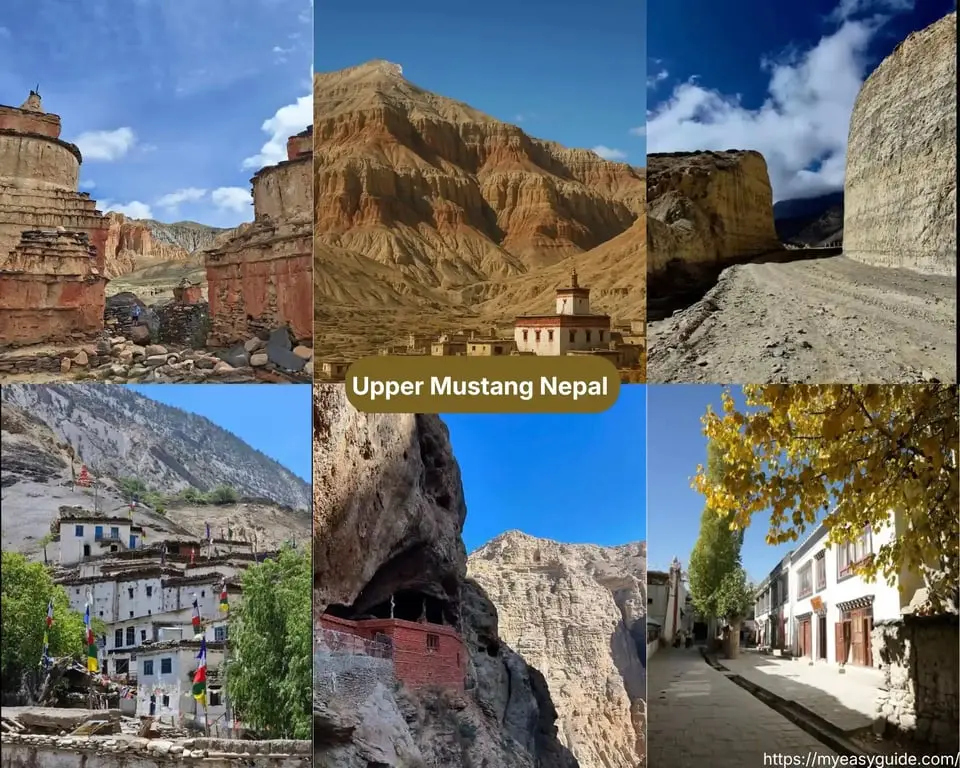
Upper Mustang, Nepal, is truly a hidden gem that calls out to adventure seekers. This remote region brings together culture and nature in ways you won't find anywhere else. They call it the "Last Forbidden Kingdom," and trust me, it lives up to that mystique with an experience you'll carry with you forever.
The landscape here is something else entirely. Unlike the lush green hills Nepal is famous for, you'll find yourself surrounded by arid, desert-like terrain that seems to go on forever. Dramatic cliffs and weathered rock formations rise around you, painting a backdrop that feels almost otherworldly.
If you're thinking about trekking, Upper Mustang should be at the top of your list like it is in the list of top treks in Nepal. The routes will test you, no doubt about it, but every challenging climb pays off. Around each bend, you'll discover breathtaking views and stumble upon cultural treasures that make the effort worthwhile.
Lo Manthang, the walled capital and also the hidden kingdom is absolutely worth the journey. This ancient city breathes history and tradition from every corner, and you'll lose yourself wandering through centuries-old monasteries and exploring palaces that have stood the test of time.
Then there are the cultural festivals that bring everything to life. The Tiji Festival is something special, a burst of color, music, and ceremony that draws people from across the globe. It's the kind of experience that connects you to something deeper.
Now, you will need a special permit to enter the region. But this restriction actually serves a purpose; it keeps Upper Mustang pristine and protected. It's a small investment for access to somewhere this extraordinary.
Timing matters here, and it’s recommended to plan your visit between March and November when the weather cooperates. Spring and autumn offer the most comfortable conditions, though you should pack warm layers regardless. Even during the warmer months, nights can get surprisingly cold.
Upper Mustang isn't just another pin on a map. It's an invitation to step into a world that feels suspended between past and present, where wonder and discovery wait around every corner.
Have you ever dreamed of stepping through a portal into a world frozen in time and also hidden from the outer world? Upper Mustang, which lies in Nepal's Himalayan region, promises exactly that: a travel experience unlike anything else. It offers stunning landscapes and a rich tapestry of culture that feels both ancient and alive. Visitors are often caught off guard by just how distinctive and beautiful this place is.
The region's isolation is what gives it that magnetic charm. Known as the "Last Forbidden Kingdom," it remained closed to outsiders until 1992. This historical seclusion has preserved a slice of Tibetan culture that's become increasingly rare in our modern world.
Lo Manthang stands as the cultural heart of Upper Mustang. As the ancient capital, this walled city showcases a fascinating blend of architecture and tradition. When you explore its monasteries, like the centuries-old Jampa Lhakhang, you're walking through halls where monks have chanted prayers for over 600 years, witnessing morning ceremonies and butter lamp offerings.
The landscape shifts dramatically, from rolling hills to sharp cliffs that take your breath away. It's stark and vast, displaying a desert-like environment you'd never expect in Nepal. Imagine the rock formations standing against brilliant blue skies, the kind of scenery that has photographers setting alarms for sunrise.
Here's what makes Upper Mustang unique:
For those seeking solitude and adventure, this destination offers a chance to connect deeply with nature and history. Upper Mustang is a place where time seems to stand still. Walking through ancient cave monasteries or sharing meals with locals, you'll feel transported to an era that has long gone. The region's accessibility has increased, yet it retains an unspoiled charm as the beauty lies in the mix of silence, serenity, and spirituality. Travelers often find more than just adventure here; they discover tranquility and inspiration, like watching an elderly monk tend temple gardens with centuries-old patience.
Upper Mustang isn't just a journey to a place but into history and heritage. It's a traveler's dream, a canvas painted by nature and time.
Reaching Upper Mustang takes some planning, but that's part of what makes it special. Your adventure starts with a flight from Kathmandu to Pokhara, a lakeside city that's basically the launching pad for all things Annapurna region.
From Pokhara, you've got two options to reach Jomsom: hop on a quick 20-minute flight or buckle up for a bumpy jeep ride. Most travelers go for the flight, and honestly, it's easy to see why. You'll be flying through and between mountain peaks, with views of Annapurna and Dhaulagiri so close you feel like you could reach out and touch them. That said, if you're the type who likes to really feel the journey, the overland route gives you a grittier, more ground-level experience of the terrain.
Once your feet hit the ground in Jomsom, the real trekking begins. You'll follow a beautiful route that traces the Kali Gandaki River, the world's deepest gorge, by the way. The trail winds through charming villages where locals wave from doorways, and you'll pass landscapes that shift from green valleys to stark, otherworldly rock formations.
Here's how the journey breaks down:
Every step of this journey gives you a taste of Nepal's incredible diversity, both in landscape and culture. You'll share tea with locals in roadside stops, watch porters expertly navigate mountain trails, and feel yourself gradually leaving the modern world behind.
Here's the thing: Upper Mustang's remoteness isn't a drawback; it's actually what makes getting there so memorable. The journey itself becomes this beautiful introduction to the landscapes and cultures waiting for you deeper in the region. Think of it as the opening chapter of an adventure that only gets better with each step.
To enter Upper Mustang, a special permit is required. This region is restricted due to its cultural sensitivity and strategic location. Travelers must obtain permits in addition to a standard Nepal visa.
The permit ensures controlled and sustainable tourism, preserving the area's heritage. It also contributes to local infrastructure development and community projects. Without these permits, entry is not permitted for tourists.
Here are the key permits you need:
Securing these permits can be done through a registered trekking agency in Nepal. They handle the paperwork and guide you through the process efficiently. Note that independent trekking is not allowed, and you need to travel with a guide.
Failing to secure the permits not only means restricted entry but may also incur fines. Always ensure you carry the permits, as they might be checked along the route. Securing the necessary documents is a crucial step to a successful adventure in Upper Mustang.
The weather in Upper Mustang can make or break your adventure, so timing really matters. Generally speaking, March to November is your sweet spot; these months give you the best shot at favorable conditions and an unforgettable experience.
Spring and autumn? That's when Upper Mustang truly shines. In spring, you'll catch rhododendrons bursting into bloom, splashing color across the arid landscape in ways you wouldn't expect. Come autumn, and you're rewarded with those crystal-clear skies that make the Himalayas look almost unreal, like someone cranked up the contrast on nature itself.
Here's what each season brings to the table:
No matter when you go, pack warm layers, even in summer. The high altitude means nights get chilly, and you'll be glad you brought that extra fleece when you're sipping tea under the stars. Always check recent weather reports before you head out, too. Mountain weather has a mind of its own.
Getting the timing right means you'll experience Upper Mustang when it's at its absolute best, comfortable enough to enjoy those long trekking days while still catching the region's cultural heartbeat in full swing.
Navigating Upper Mustang requires a reliable map due to its rugged terrain. A detailed Upper Mustang Nepal map highlights key routes and landmarks. It's essential for planning and navigating your adventure.
Getting around Upper Mustang isn't like following Google Maps through your neighborhood. The terrain is rugged, remote, and honestly pretty unforgiving if you're unprepared. That's why a solid Upper Mustang Nepal map becomes your best friend, as it shows you the key routes, landmarks, and what you're actually getting yourself into.
The beauty of Upper Mustang is that it offers several trekking routes, each with its own personality. Your choice really comes down to how much time you've got, what you're interested in, and let's be honest, your fitness level. Some routes lean heavily into cultural immersion, while others are all about those jaw-dropping mountain vistas.
Here are the routes that draw trekkers year after year:
These routes range from moderate to extremely challenging. The Classic Upper Mustang Trek especially has earned its spot among Nepal's most beloved trekking routes, not just for the landscapes (though those sweeping desert valleys are incredible), but for the cultural richness you encounter at every turn.
Now, here's my strong recommendation: hire a local guide. Sure, you could technically navigate with a map, but guides bring something maps can't, and that is stories. They'll explain why that monastery sits where it does, what the prayer flags mean, and maybe invite you to share lunch with their cousin in the next village. Plus, you're directly supporting the local economy, which keeps this whole sustainable tourism thing working.
Good maps will also show you elevation profiles and water sources along the way. This isn't just nice-to-know information; it's crucial for acclimatizing properly and staying safe at altitude. Pack your essential gear and always assume the weather might throw you a curveball, because up here, it usually does.
With a reliable Upper Mustang Nepal map in hand (or downloaded on your phone—just bring a backup battery), you'll navigate these ancient paths with confidence. You're not just following trails; you're tracing routes that traders, pilgrims, and locals have walked for centuries. Understanding your route options beforehand means you can tailor your trek to match exactly what you're hoping to find in this "Last Forbidden Kingdom."
Upper Mustang Nepal offers a variety of activities for travelers seeking adventure and cultural immersion. These activities allow visitors to experience the region's unique landscapes and cultural heritage.
From trekking to spiritual exploration, each activity provides a distinct perspective of this remote region. Engaging in these activities enriches your understanding of local life and history.
Here’s a list of top activities:
Whether you're drawn to physical challenges or cultural experiences, Upper Mustang delivers. The region's diversity ensures there's something meaningful for every traveler.
The Upper Mustang trek is renowned among Nepal trekking routes. This classic trek combines awe-inspiring landscapes with rich cultural encounters. Trekking in Upper Mustang is about discovering what's beyond the usual trails.
As you commence your trip from Jomsom, trekkers traverse through diverse terrains and experience traditional Mustang villages. The trek culminates in Lo Manthang, an ancient kingdom with deep historical roots.
This trek is moderately challenging, demanding good fitness and stamina. The elevation demands acclimatization. Trekkers should prepare for altitudes exceeding 3,800 meters.
A guided trek ensures safety, boosts understanding, and enriches the experience. Local guides reveal stories of the path and bring insights into the region’s heritage.
This classic trekking experience in Upper Mustang is a journey that blends nature’s beauty with deep cultural heritage. The combination ensures lasting memories and a deeper appreciation of the Himalayas.
Lo Manthang, the centerpiece of Upper Mustang, is a must-visit because this walled city is not just about being forbidden, but the walls whisper tales of history, art, and spirituality. Founded in the 15th century, Lo Manthang is a UNESCO World Heritage tentative site. The city's architecture reflects Tibetan influences, with whitewashed walls and flat-roofed buildings.
Exploring Lo Manthang involves walking its narrow streets. Every corner holds a story, from the majestic monasteries to simple homes. Visitors often find the city’s spiritual atmosphere invigorating. A visit to Lo Manthang is incomplete without interacting with the locals.
The city's residents are custodians of Mustang's rich traditions, eager to share stories and cultural insights. They have protected this land and called this place their motherland for years. Lo Manthang remains a vivid representation of Tibetan culture in Nepal. The walled city captivates with its heritage, offering an immersive experience of the last Tibetan kingdom.
Upper Mustang's ancient monasteries and caves are gateways to its spiritual soul. These historical sites are rich in artistry and spirituality, echoing centuries of devotion. The monasteries, such as Thubchen and Jampa, are centers of Tibetan Buddhism. Filled with intricate murals and ancient scriptures, they reveal Mustang's spiritual legacy.
Key sites include:
Visiting these monasteries offers a chance to experience Buddhist rituals. Monastic life is intertwined with the community, and witnessing daily prayers is a profound experience. The caves provide an archaeological intrigue, making it an interesting find for archaeologists.
Their remote locations add to the aura of mystery, with some accessible only through steep paths. Hidden within, treasures like ancient scripts and paintings await discovery. To delve into the spiritual essence of Upper Mustang, engaging with its monastic and cave sites is essential. These visits offer a window into centuries-old traditions and the unyielding human spirit.
The Tiji Festival is Upper Mustang’s most celebrated event. This three-day festival, usually held in Lo Manthang, attracts visitors from far and wide, and it holds spiritual as well as religious significance as it centers around the theme of good conquering evil.
The festival’s origins tie back to Tibetan Buddhism and the origin of Buddhism in Nepal, featuring rituals and colorful masked dances. It symbolizes the chasing away of demons, an age-old tradition rich in symbolism.
Experiencing the Tiji Festival is to witness living history. The event is not merely a performance but a communal bond that strengthens cultural identity. Apart from Tiji, several local events highlight seasonal changes and agricultural cycles. These festivals are vibrant, with local music, dance, and traditional attire on display.
Attending these festivals enriches your travel experience in Upper Mustang. They provide not just entertainment but insightful glimpses into the spiritual and cultural tapestry of the region.
Upper Mustang’s villages are windows into its vibrant culture. Each village carries unique traditions, reflecting the area's rich heritage. Discovering these communities is a rewarding experience for cultural explorers.
The villages retain traditional architecture with mud-brick houses and flat roofs. Their design is practical and symbolic of local customs.
Some notable villages to explore are:
Life in these villages operates at a gentle pace, providing an opportunity to learn about the local way of life. Traditional crafts and agricultural practices are visible everywhere. Interacting with locals can be enlightening. The Gurung and Thakali people are known for their hospitality. Engaging with them uncovers stories of resilience, change, and continuity.
Discovering local villages opens a dialogue with time. It connects modern travelers with ancient cultures, enhancing the appeal of Upper Mustang as a culturally rich destination.
Beyond trekking, Upper Mustang offers a range of adventure activities. These pursuits add excitement and diversity to any itinerary. The dramatic landscapes provide a perfect backdrop for unique adventures.
Horseback riding is a popular way to explore. Historically, horses were the primary mode of transport in Mustang. Riding through the arid terrain connects you with the region’s past.
Other adventurous activities include:
These activities cater to different interests and ensure adrenaline-packed exploration. Whether riding along ancient trails or cycling through dramatic landscapes, Upper Mustang delivers unforgettable experiences.
Adventure activities offer a fresh way to engage with Mustang's natural beauty. They allow travelers to feel a deeper connection with the land and its storied history, amplifying the allure of this remote Himalayan region.
Accommodation in Upper Mustang varies from basic teahouses to more comfortable lodges. While options are limited due to its remote nature, staying here offers a unique glimpse into local life. Each type of accommodation provides a different experience, from rustic charm to modest comfort.
Travelers can expect basic amenities in most places to fulfill their basic needs. This often includes shared bathrooms and simple bedding. While luxury is absent to merely found, teahouses and lodges warmly welcome guests with genuine hospitality.
Some popular accommodation options:
Food in Upper Mustang is a delightful blend of Nepali and Tibetan influences. Meals are hearty, catering to the energy needs of trekkers. Momo (dumplings) and Thukpa (noodle soup) are favorites among visitors, reflecting the region's culinary traditions.
Rice, lentils, and vegetables feature prominently, with flavors varying from village to village. Despite the simplicity, meals in Upper Mustang are nourishing and flavorful. Eating in local establishments also provides a cultural exchange opportunity.
Sharing meals with locals often leads to lively conversations and stories of Mustang's past. This exchange adds depth to the travel experience, leaving lasting impressions and memorable flavors.
Traveling responsibly in Upper Mustang is vital for preserving its unique culture and pristine environment. The area’s remote landscapes and fragile ecosystems require careful interaction. Engaging in sustainable tourism practices ensures that Mustang's natural and cultural heritage remains intact for future generations.
Visitors can make a positive impact by making mindful choices. Supporting local businesses, choosing eco-friendly accommodations, and minimizing waste are key steps. Trekking with certified local guides not only enhances your experience but also supports the local economy.
Here are some practices to follow:
By adopting these practices, travelers can help maintain the delicate balance of Upper Mustang's environment and communities. Sustainable travel ensures that your visit contributes positively to the region. These efforts significantly help in safeguarding the area’s exceptional beauty and cultural wealth. Responsible tourism also fosters an enriching experience, forging deeper connections with the land and its people.
Preparing for your Upper Mustang trek is crucial to ensuring a safe and enjoyable journey. The terrain can be challenging, so adequate preparation is important. Here are some key tips to enhance your trekking experience in this stunning region.
Acclimatization is essential due to the high altitude. Spend a few days in nearby Pokhara or Jomsom before starting the trek. This will help your body adjust and reduce the risk of altitude sickness. Listen to your body and ascend gradually to avoid overexertion.
Packing smart can significantly affect your trekking comfort. Bring gear suitable for varying temperatures, as weather conditions can change swiftly. Layering is a helpful strategy to deal with cold, windy evenings and warmer days. Essential items include a good-quality sleeping bag, a down jacket, and durable hiking boots.
Consider these additional tips for a successful trek:
Following these practical tips ensures a rewarding trek in Upper Mustang. Proper preparation, respecting local customs, and embracing the journey will create lasting memories. Always prioritize safety and environmental mindfulness to fully appreciate the remarkable landscapes of Upper Mustang.
Upper Mustang captivates travelers with its rich tapestry of culture, history, and natural splendor. Hidden within the Himalayas, it offers a unique adventure unlike any other. Each trek is not only a journey through breathtaking landscapes but also a passage through time.
Imagine witnessing ancient festivals and exploring walled cities like Lo Manthang. This region promises an immersive cultural experience, connecting you with the traditions of the Gurung and Thakali communities. Nature enthusiasts will marvel at the dramatic terrains, from desert-like expanses to towering cliffs.
Whether you're drawn to the allure of historical monasteries, the challenge of remote trekking routes, or the serenity of the Himalayas, Upper Mustang has it all. It's a place to disconnect from the modern world and embrace the natural wonders around you.
Key reasons Upper Mustang should be on your bucket list:
Don't miss the opportunity to explore this hidden gem. Upper Mustang offers a once-in-a-lifetime adventure for those seeking something extraordinary.
Upper Mustang is a restricted area, requiring a special permit. You must apply through a registered Nepalese trekking agency. Ensure you have a valid passport and passport-sized photos when applying.
The ideal time to trek is between March and November. Spring and autumn offer the best weather, with clear skies and moderate temperatures. Winter months can be harsh, making trekking more challenging.
Accommodation mostly consists of teahouses and guesthouses. In some places, options may be basic but comfortable. It's advisable to book in advance, especially during peak trekking seasons.
No. Beginners can complete this trek as well, and if you don’t prefer trekking, with the access to road facilities, Upper Mustang Tour has also become a favourite choice among travelers from around the world.
Upper Mustang is famous for the ancient monasteries, caves, palaces, and ancient arts, as Upper Mustang was once a hidden and forbidden kingdom of Nepal.